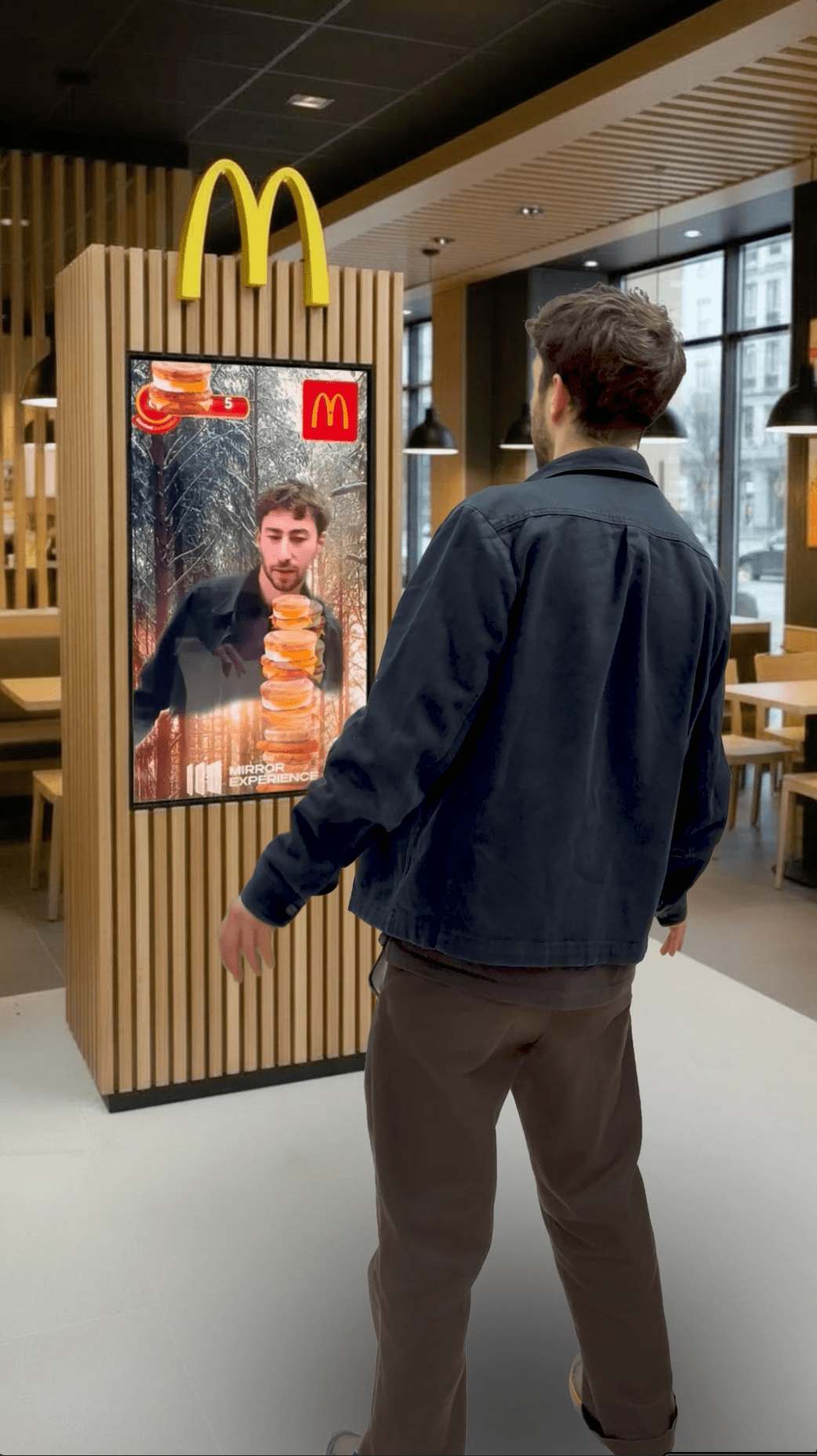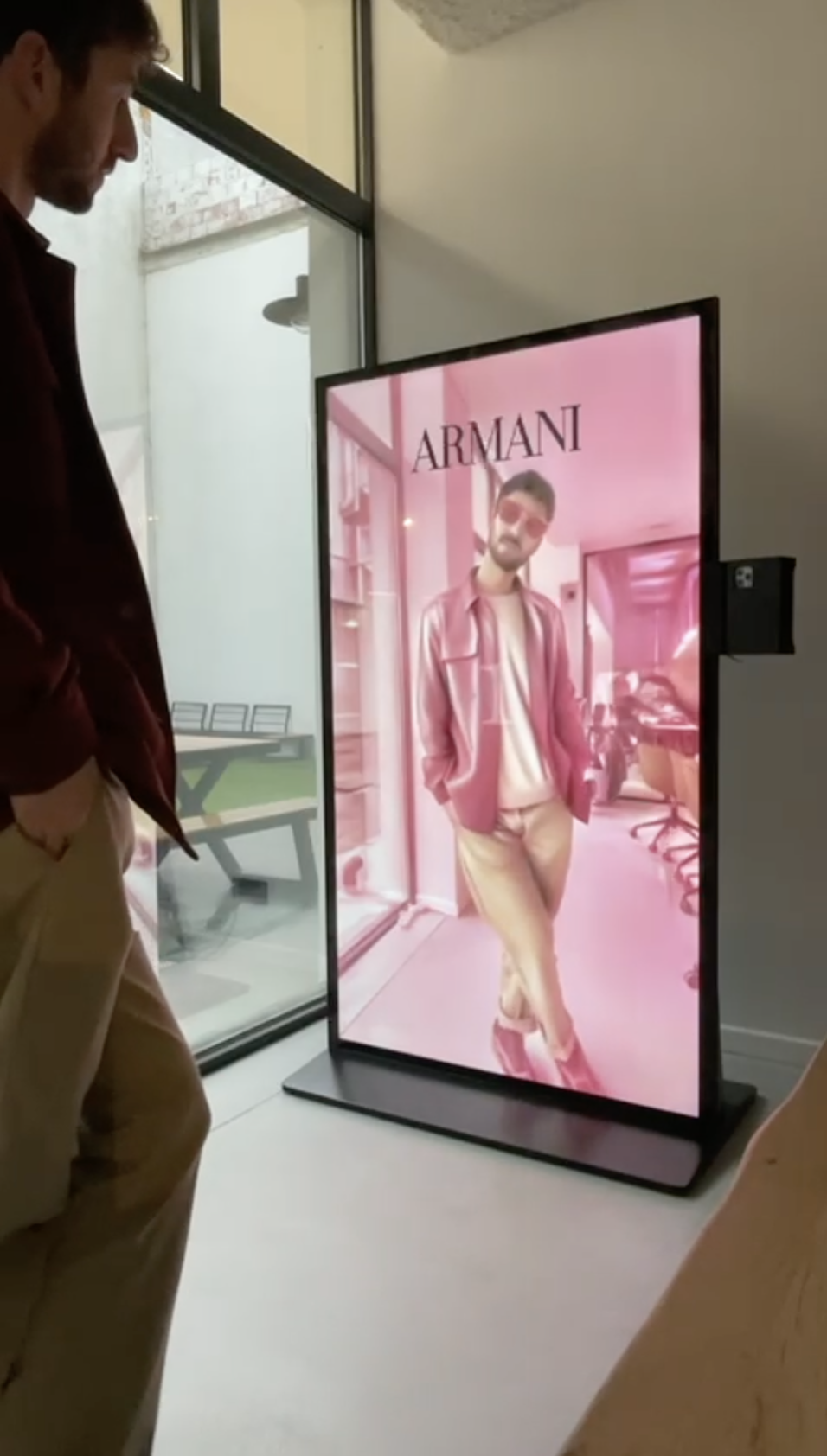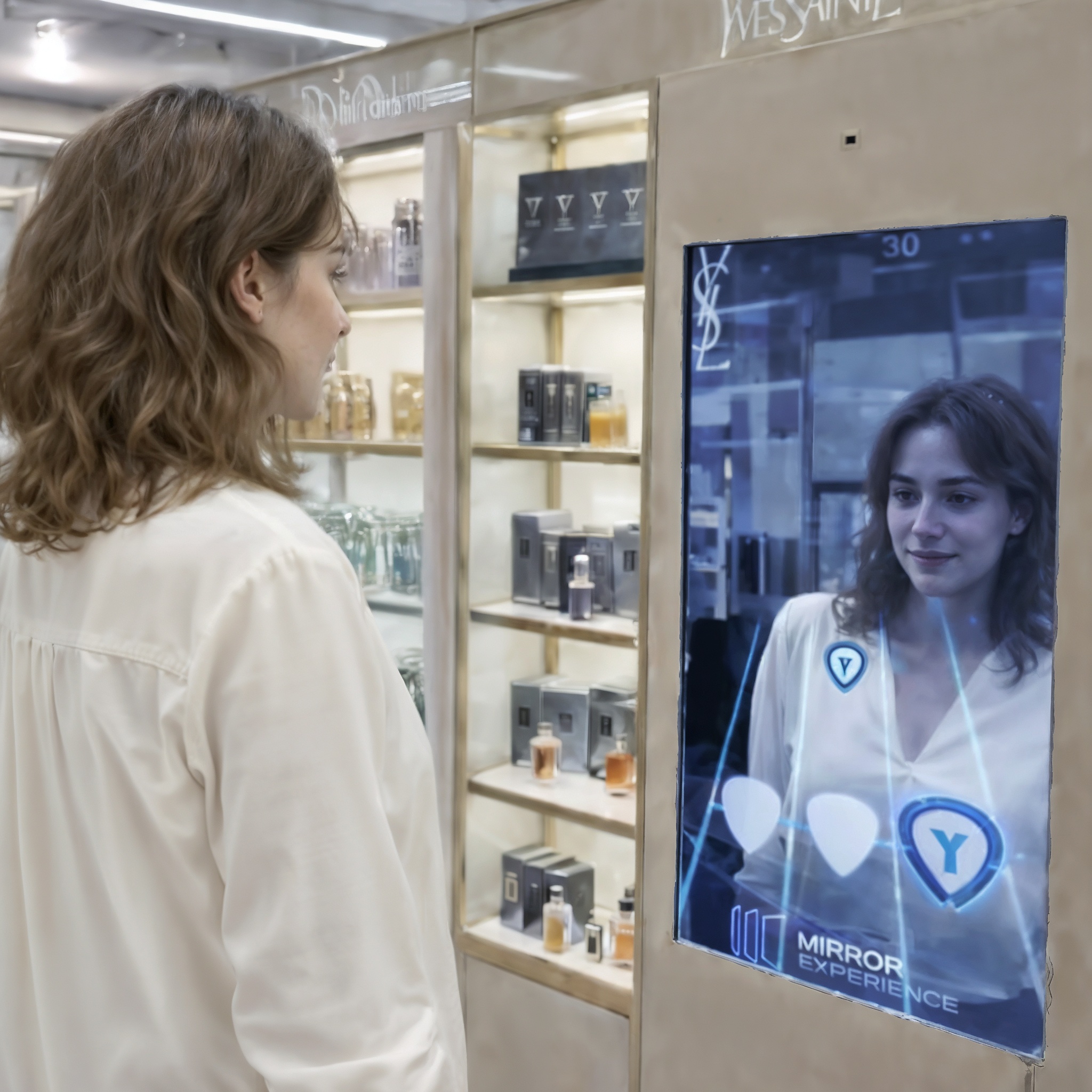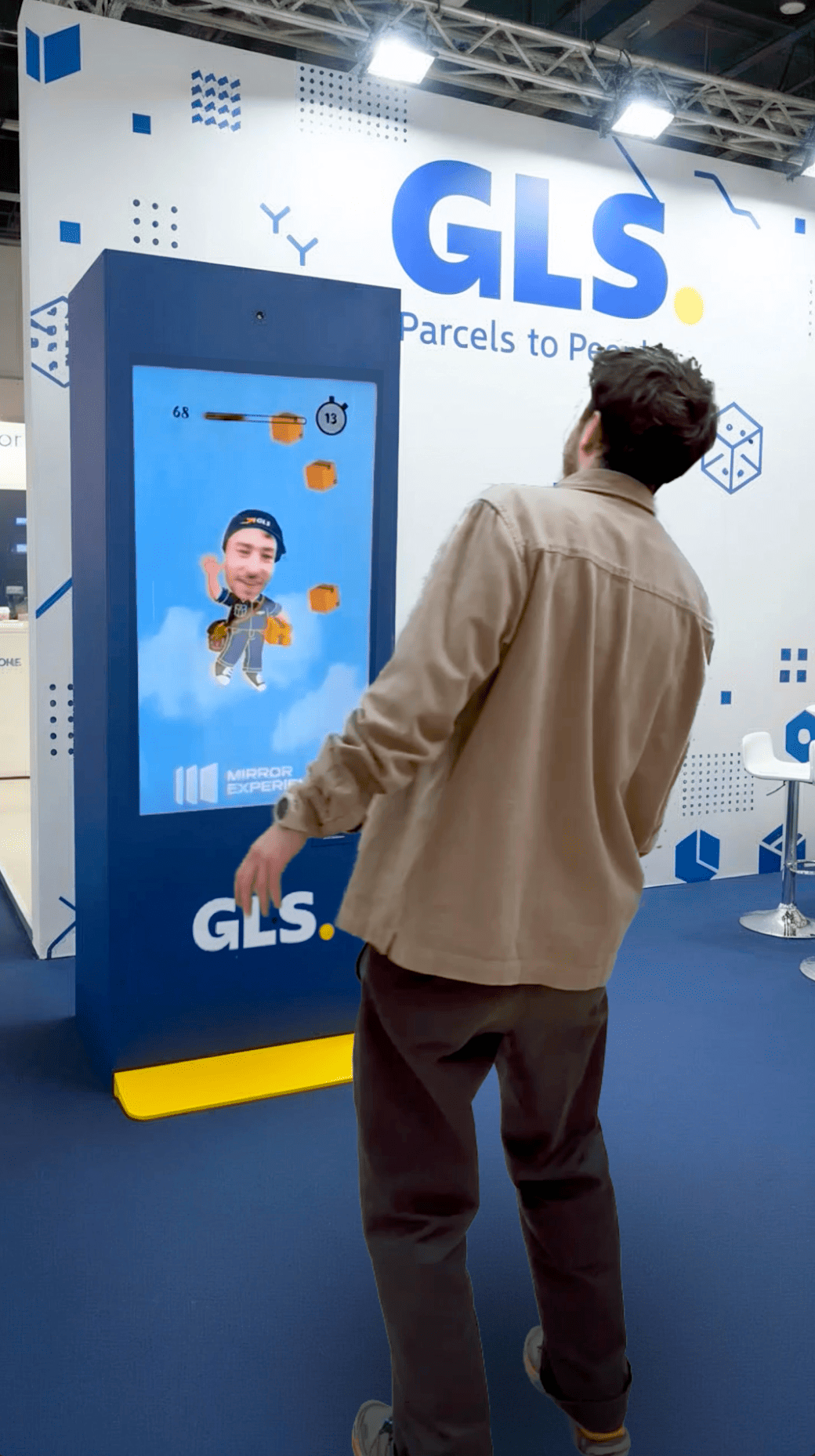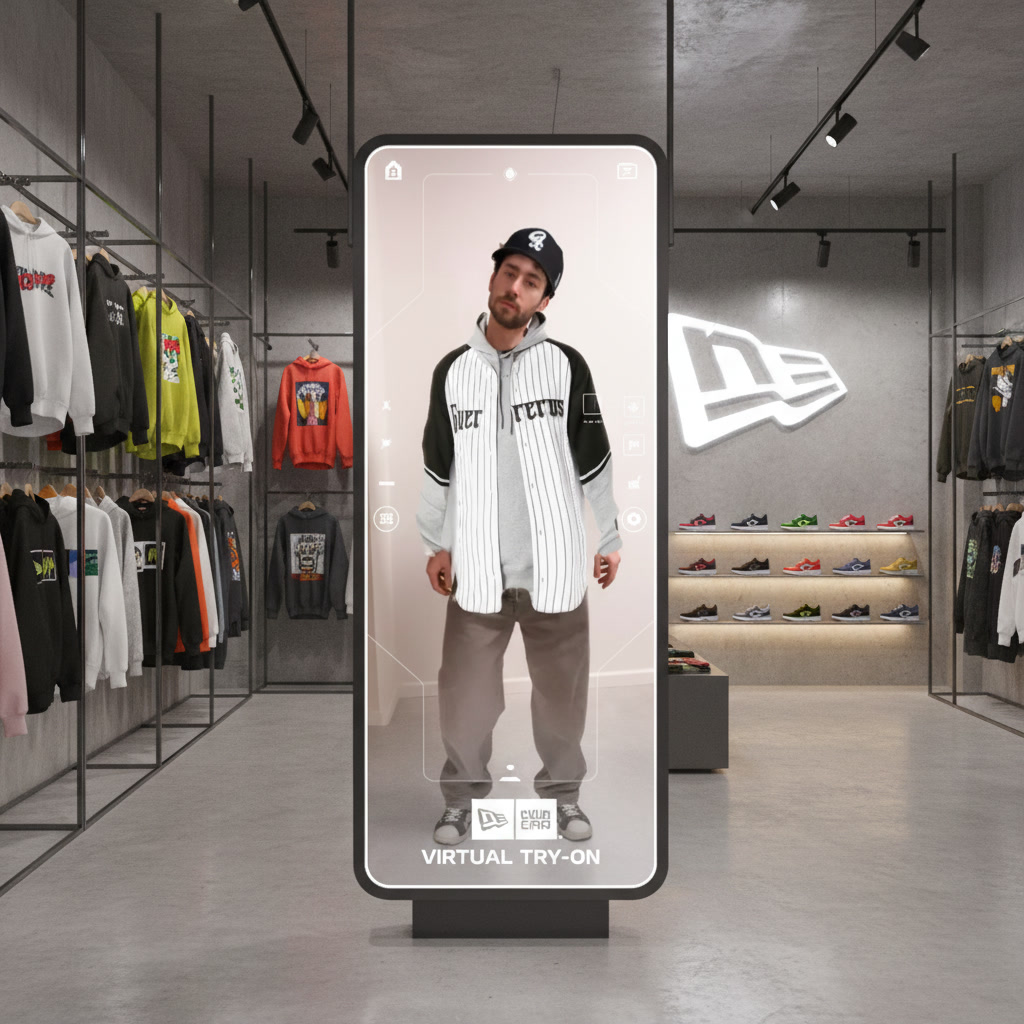
AI mirror installation, worldwide
Mirror Experience designs, builds, ships and commissions interactive AI mirrors. The software is ours, the hardware is specified for the venue, and the installation is handled by our own team with local partners where the city requires it. Since 2019 we have put around twenty of these into venues across Europe, North America, Asia and the Middle East.
The short version. Software from 8,000 EUR, hardware 1,000 to 5,000 EUR on top, complete permanent build around 20,000 EUR. Free pilot, two to four weeks to live in most of Europe. We work B2B only.
What an installation actually involves
Four phases, and the middle two are where projects succeed or fail.
Survey. We look at the room, the access, the power and the light. The question is not whether a mirror fits, it is whether it fits through the door, whether the socket can carry it and whether the light in the space will make the result look right. That survey sometimes changes the screen size, and it is cheaper to learn that in week one.
Build and content. The software is configured for the languages and the garments or effects. The hardware is assembled and tested. Content is finished before anything ships, because site time is the most expensive time in the project.
Shipping and compliance. This is the part that surprises people. Electrical certification is per country: CE for Europe, UKCA for Britain, KC for Korea, PSE for Japan, Safety Mark for Singapore, different rules again in North America. Customs, duty and lead time follow the same map. We quote it as a separate line because it is a separate job.
Commissioning and support. The unit goes live, staff are trained, and monitoring starts. Software updates and content changes run remotely. Physical intervention needs someone in the city, which is why we agree a support arrangement rather than promising to fly.
Where we have installed
These are real projects, not a list of cities we would like to work in. Each page covers what that city specifically demands: the mall rules, the certification, the climate, the calendar.
- Brussels and Antwerp. Kinepolis, for the release of The Hunger Games: Sunrise on the Reaping. Our home market, no import, three languages.
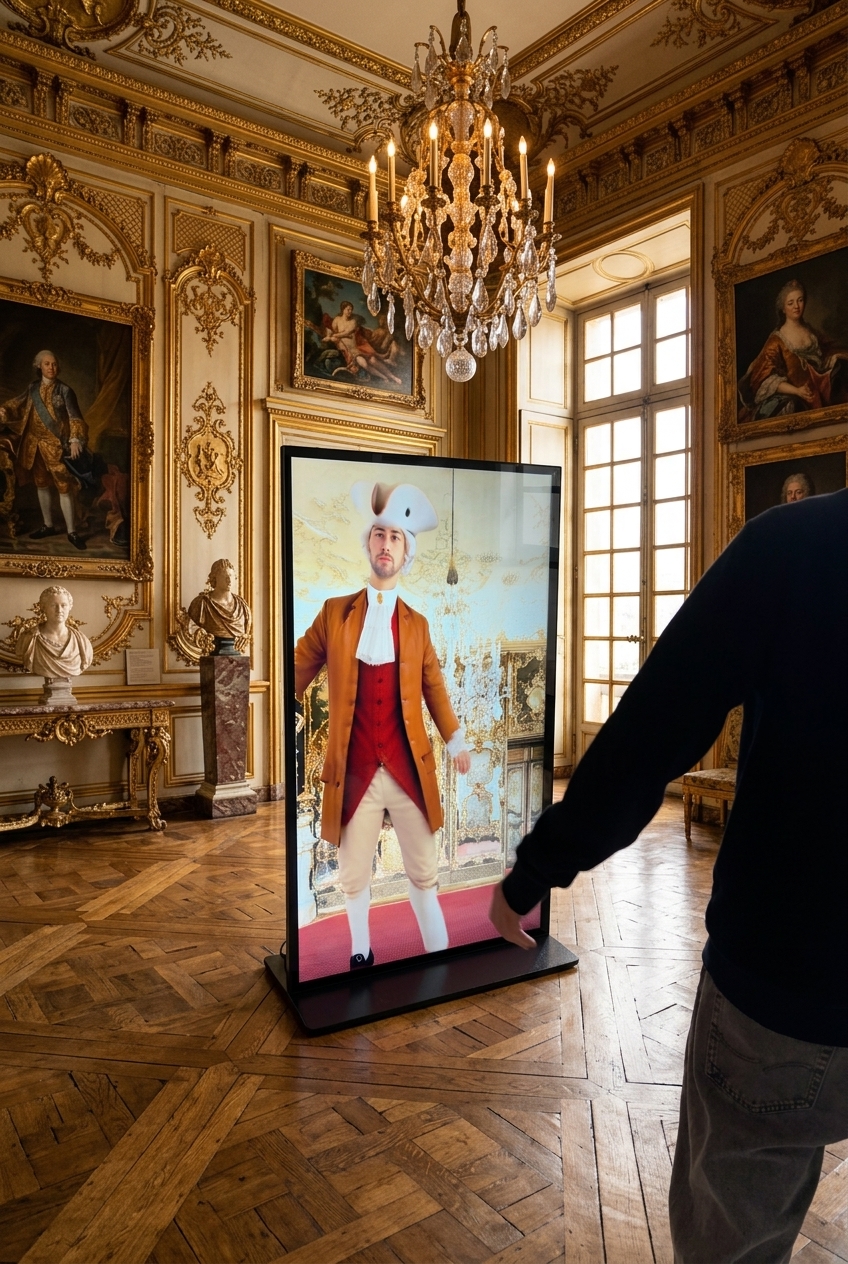
- Paris. Armani and Veuve Clicquot. Heritage building rules, narrow service corridors, luxury protocol.
- Milan. Dolce & Gabbana, and the Salone del Mobile calendar. Restricted traffic zone, old palazzi electrics.
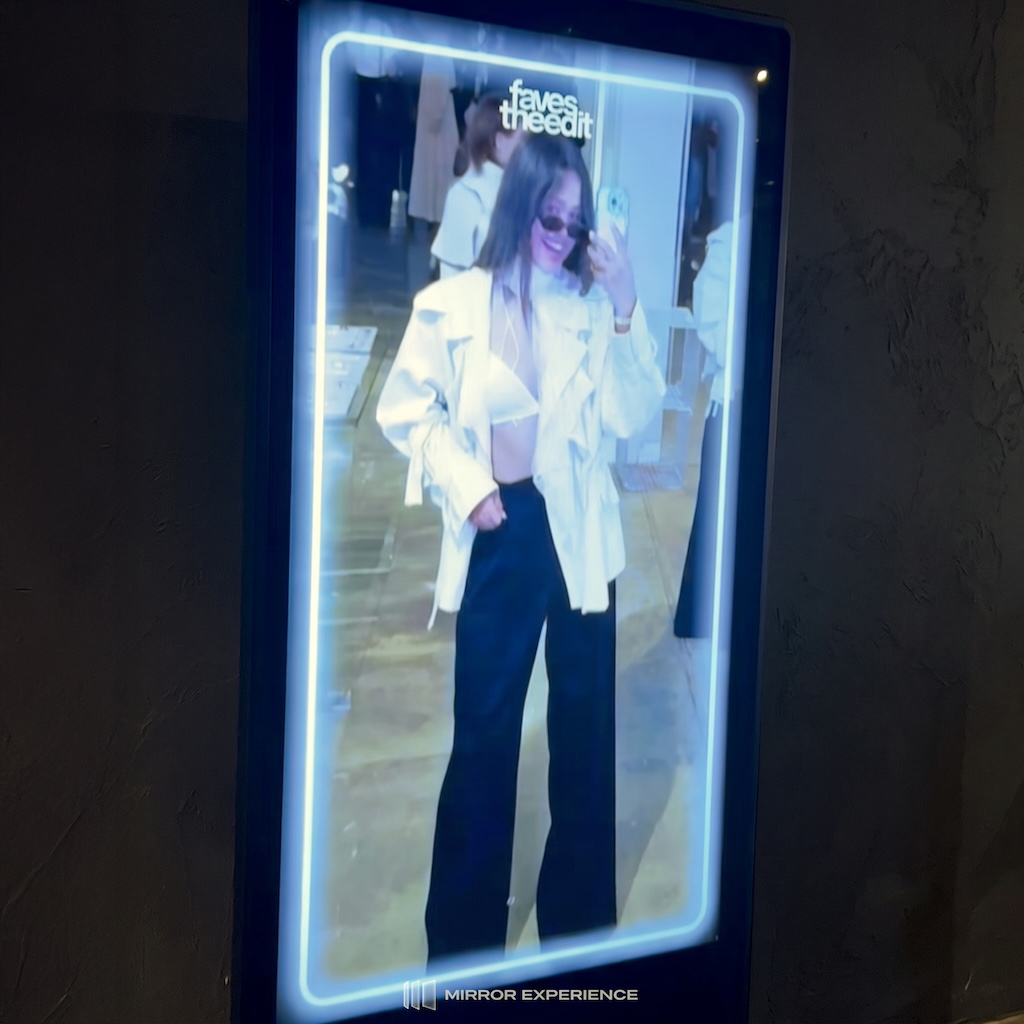
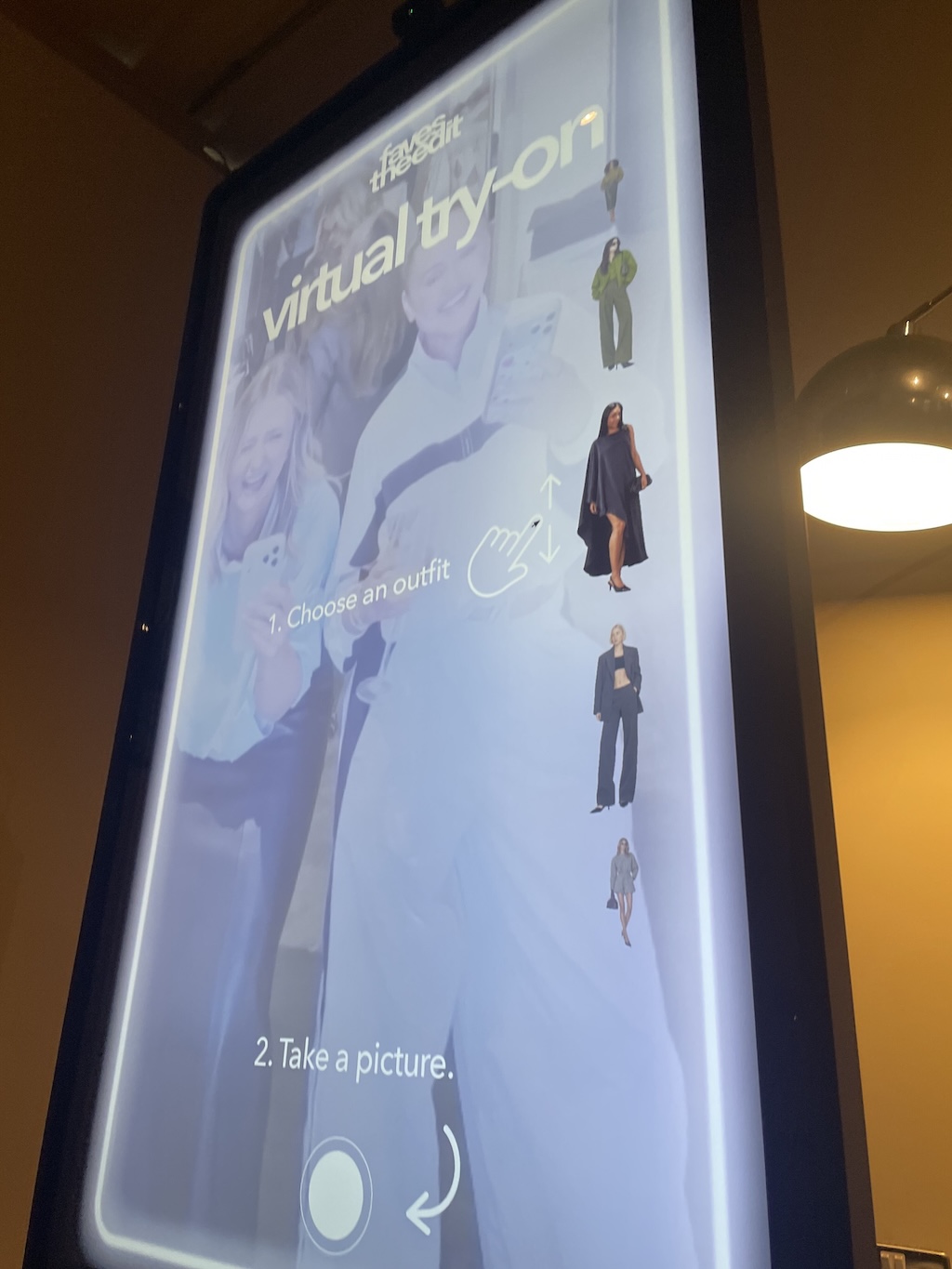
- London. Faves The Edit at London Fashion Week. Brexit customs, UKCA marking, Type G sockets.
- New York. An AI try-on mirror during New York Fashion Week. Freight elevators, union call sheets, street permits.
- Los Angeles. A demo for SKYLRK, the label Justin Bieber launched in 2025. Fire marshal capacity, hillside access.
- Las Vegas. Red Bull at OMNIA Dayclub and Nightclub, Caesars Palace, poolside and permanent. Water, chlorine, desert sun.
- Montreal. The Cosmodôme, running since 2022. Bilingual by law, 120 volt supply, Quebec winter.
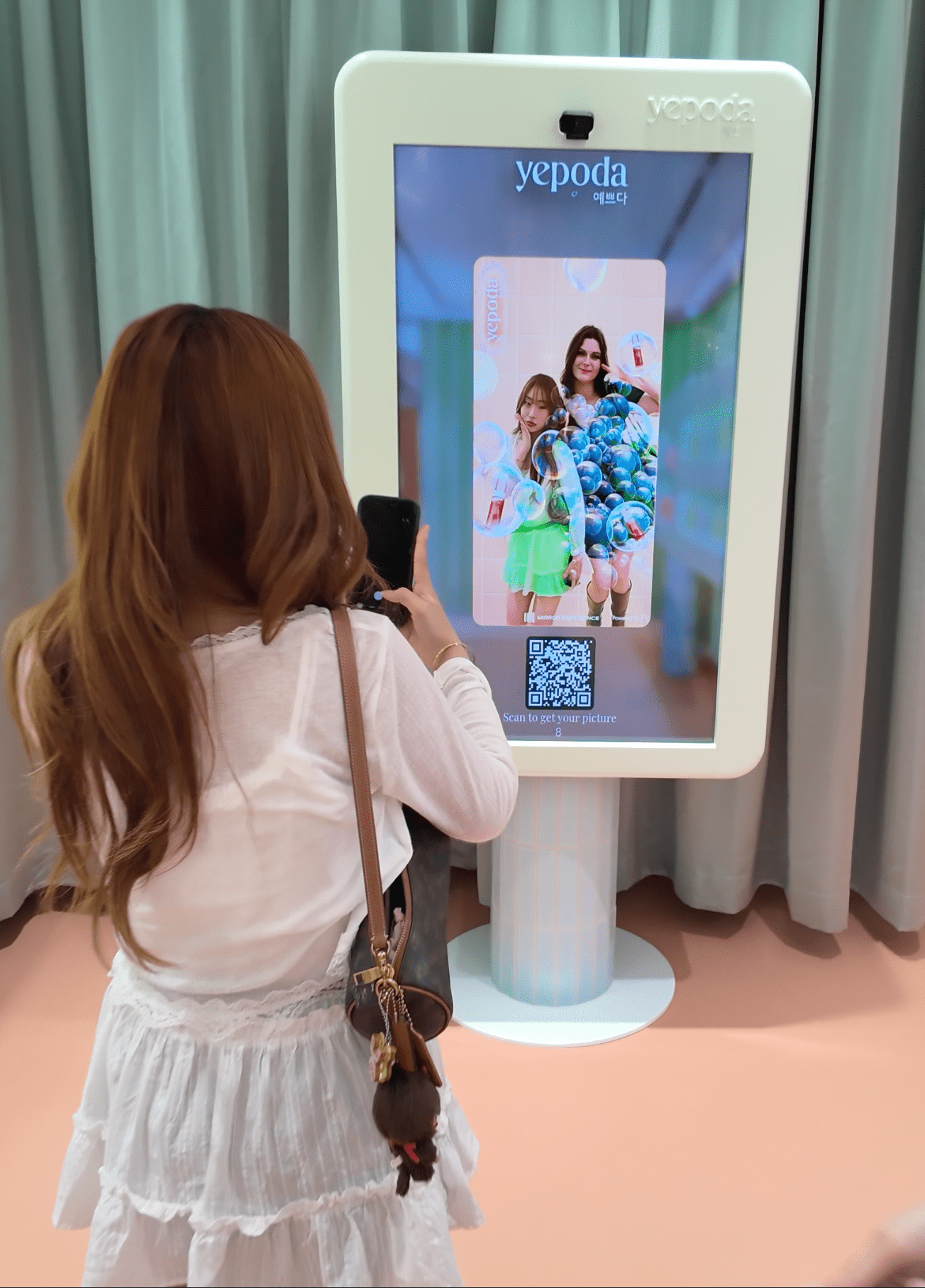
- Seoul. The Magic AR mirror for Yepoda. The most demanding beauty market we work in.
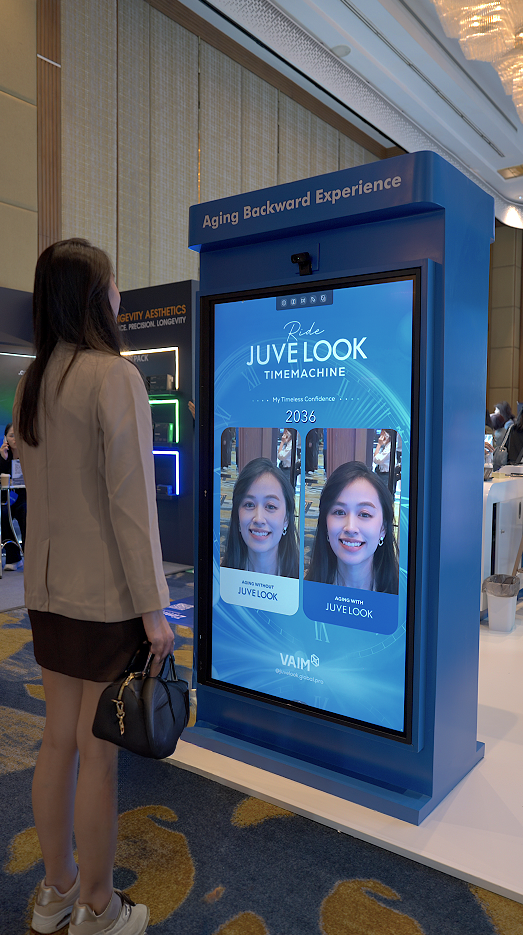
- Bangkok. The VAIM stand at IMCAS Asia, for Juvelook. Congress sprints and aesthetic clinics.
- Dubai. 45 degree heat, condensation, mall-controlled network access.
- Tokyo. First project on request. 100 volts, 50 hertz, PSE certification.
- Singapore. First project on request. Easy to ship into, hard to get approved inside a mall.
If your city is not on the list
It means we have not installed there yet, not that we cannot. Around half the projects we quote are in cities we reach for the first time, and the four phases above are the same everywhere. What changes is certification, freight and who handles first-line support afterwards, and all three are things we scope before quoting.
Tell us the city and the venue and we will say plainly what a first installation there involves. If it is a market where we would be learning at your expense, we will say that too.
See the mirror running
Filmed on site, our own hardware and our own software. No render, no post-production overlay.
What clients ask before committing
Is the software really yours? Yes. We started in 2019 as an AR filter studio, and since Meta closed Spark in 2024 we have run our own iOS application. We are an official Decart AI partner and an official Snap Camera Kit partner, which is what lets us generate garments in real time rather than overlay a 3D model.
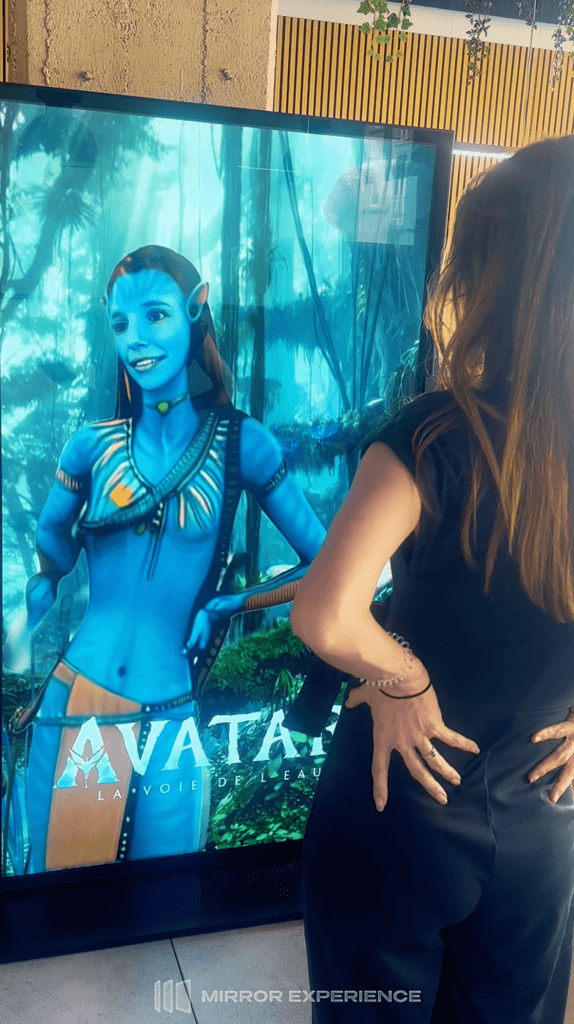
Why is this different from a 3D AR mirror? A 3D mirror needs a prepared asset for every garment and overlays it on a tracked body. Ours generates the garment on the live video feed, so fabric drape, folds and lighting behave like the real thing, and a new piece can be added without a modelling project first.
How long does it last? Our oldest installation has been running since 2022. Hardware is the easy part; the content is what needs refreshing, and that runs remotely.
What does it cost again? Software from 8,000 EUR. Hardware 1,000 to 5,000 EUR depending on screen size and structure. A complete permanent 75 inch build lands around 20,000 EUR with transport and commissioning. Custom builds and unusual environments are quoted on their own.
Do you work with agencies? Often. Agencies bring the brand and the concept, we handle the technical build and the installation, and the client gets one point of responsibility for the thing actually working.
Start with a pilot
The pilot is free and it answers the only question that matters: does this work on your customers. Send the city, the venue and the date, and we will come back with what the room allows, what the city adds, and a timeline that includes the parts nobody enjoys planning.