AR Mirror for Events
Experiential marketing has become the standard way brands get attention in a crowded world. AR advertising generates 90% higher engagement than equivalent non-AR experiences, and 73% of consumers say they are interested in experiencing AR at events and conferences (Blippar AR advertising guide, 2026; Market.us, 2026). An AR mirror is the physical version of that: an installation that draws a crowd, keeps it, and produces content guests share long after the event ends.
Key takeaways
- AR experiences get 90% more engagement than non-AR equivalents, and guests who attend 73% of consumers are open to AR at events.
- An AR mirror works for product launches, festivals, weddings, trade shows and private parties, with printed or digital souvenirs.
- Event mirror pricing starts around 9,000 EUR, with a free pilot and deployment in about three weeks.
Why event planners add AR mirrors
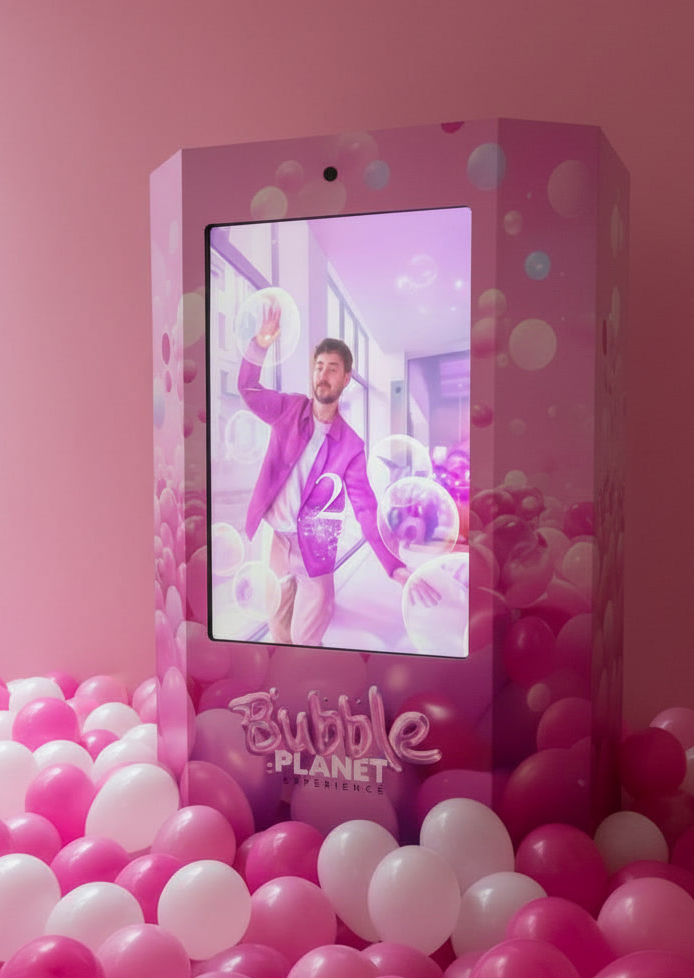
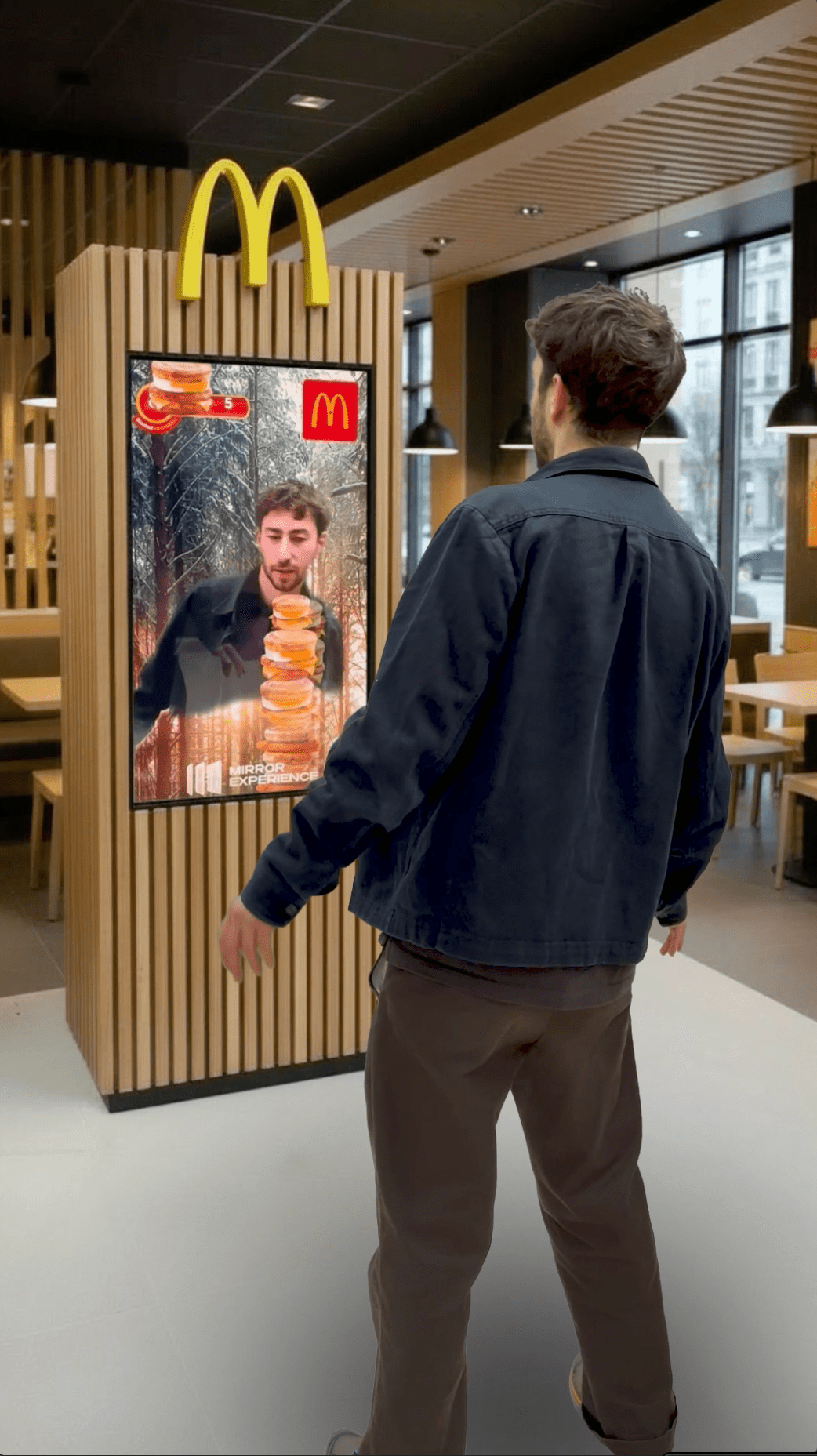
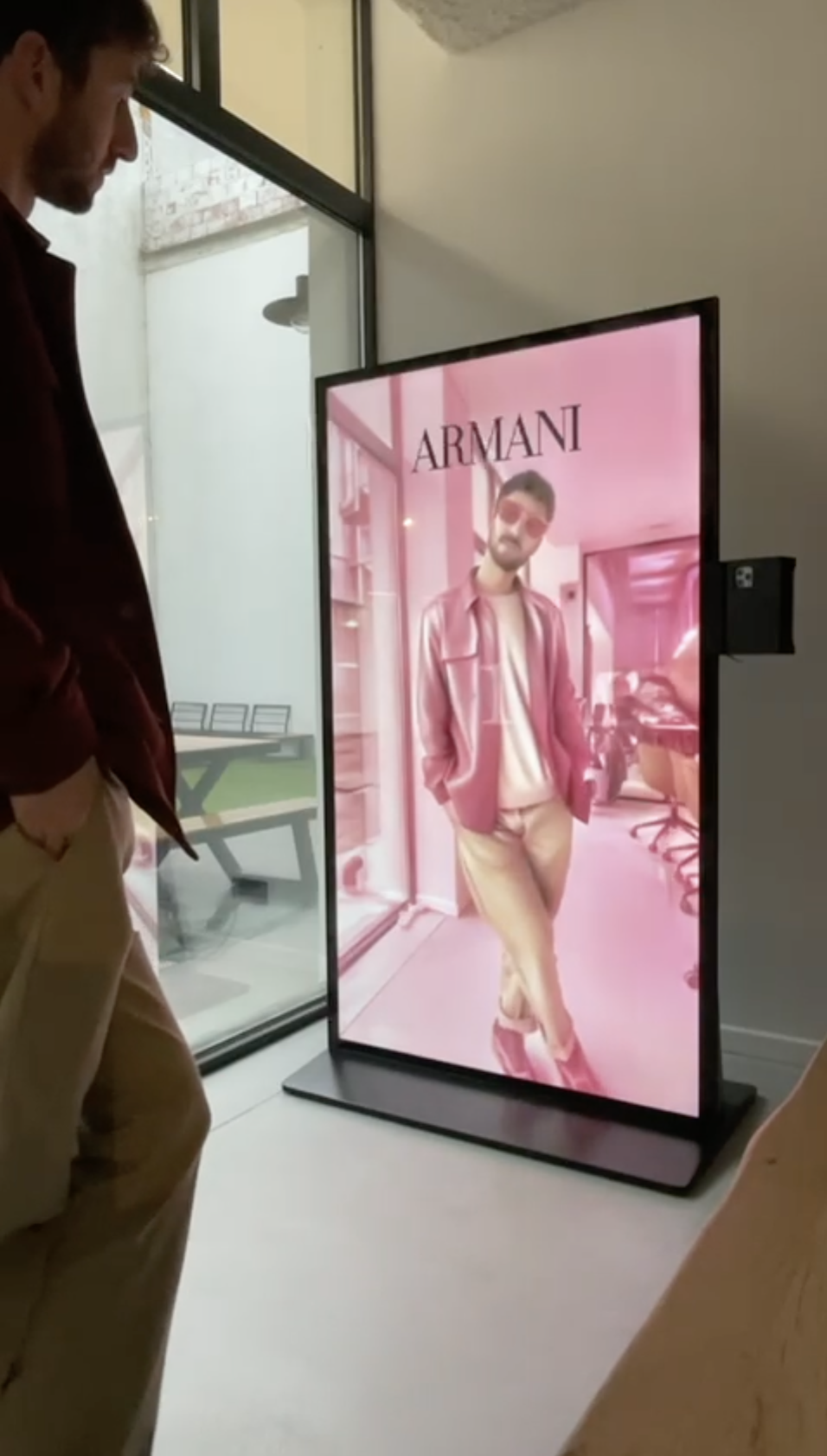
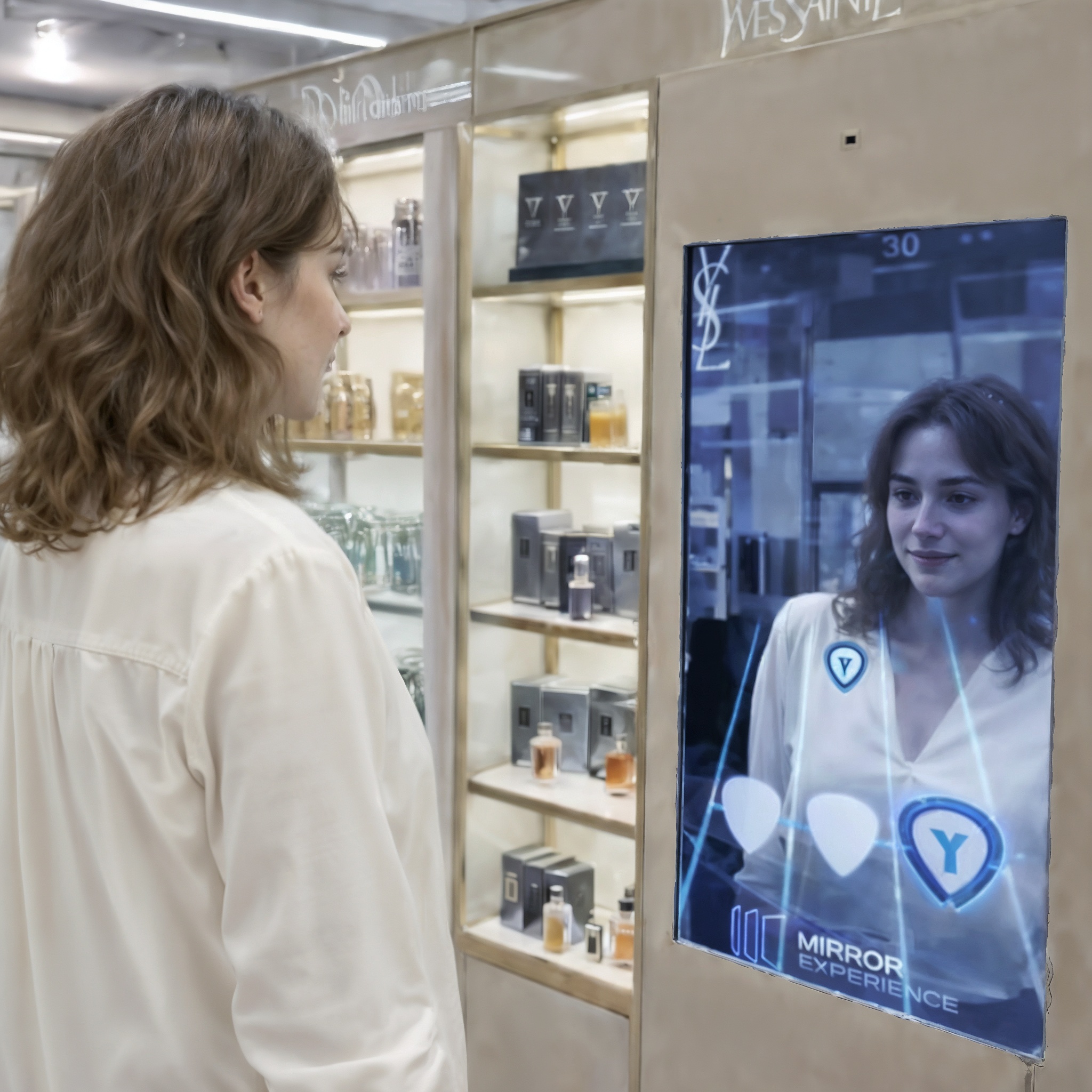
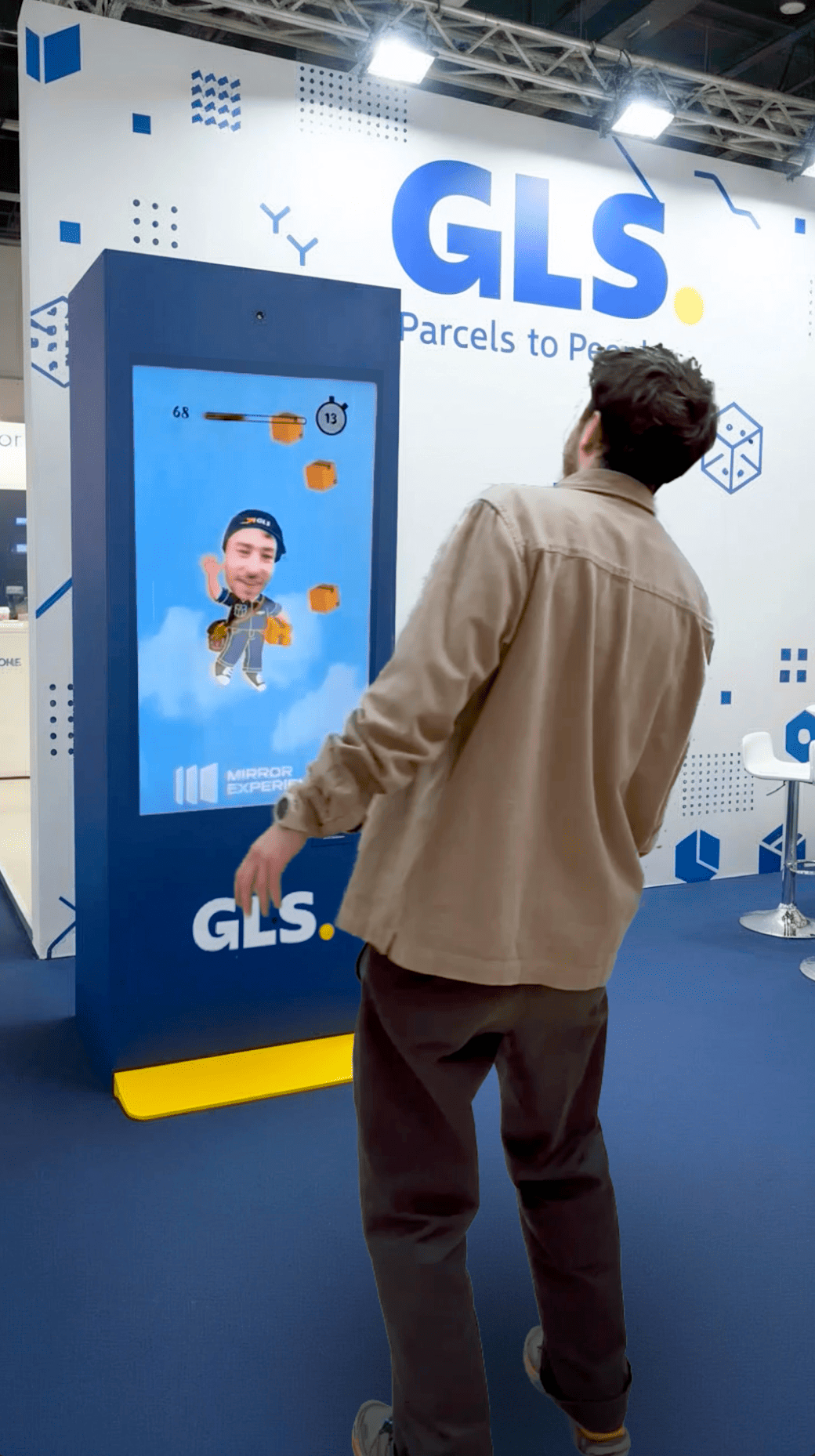
An event lives or dies on the moments people remember. The mirror creates one of those moments: guests see themselves transformed in real time, at 25 frames per second, and the result is a photo or video they take home. Because the effect appears instantly, the queue builds by itself. People watch, laugh, and wait their turn. That is exactly the energy brands want around a launch, and exactly what photographers and social media capture.
Real results from AR activations
The format has proven itself at scale. OnePlus replaced a physical product launch with an AR experience that reached 7 million viewers in 26 minutes and drove 4 million device sales in the first week. LEGO’s WebAR treasure hunt sustained 85,000 daily visits at its peak, and Netflix’s Stranger Things retail AR campaign recorded over 126,000 interactions (Blippar, 2026). The mirror brings this same logic into the physical event: every interaction ends in a shareable moment that carries the brand name.
What an event AR mirror does
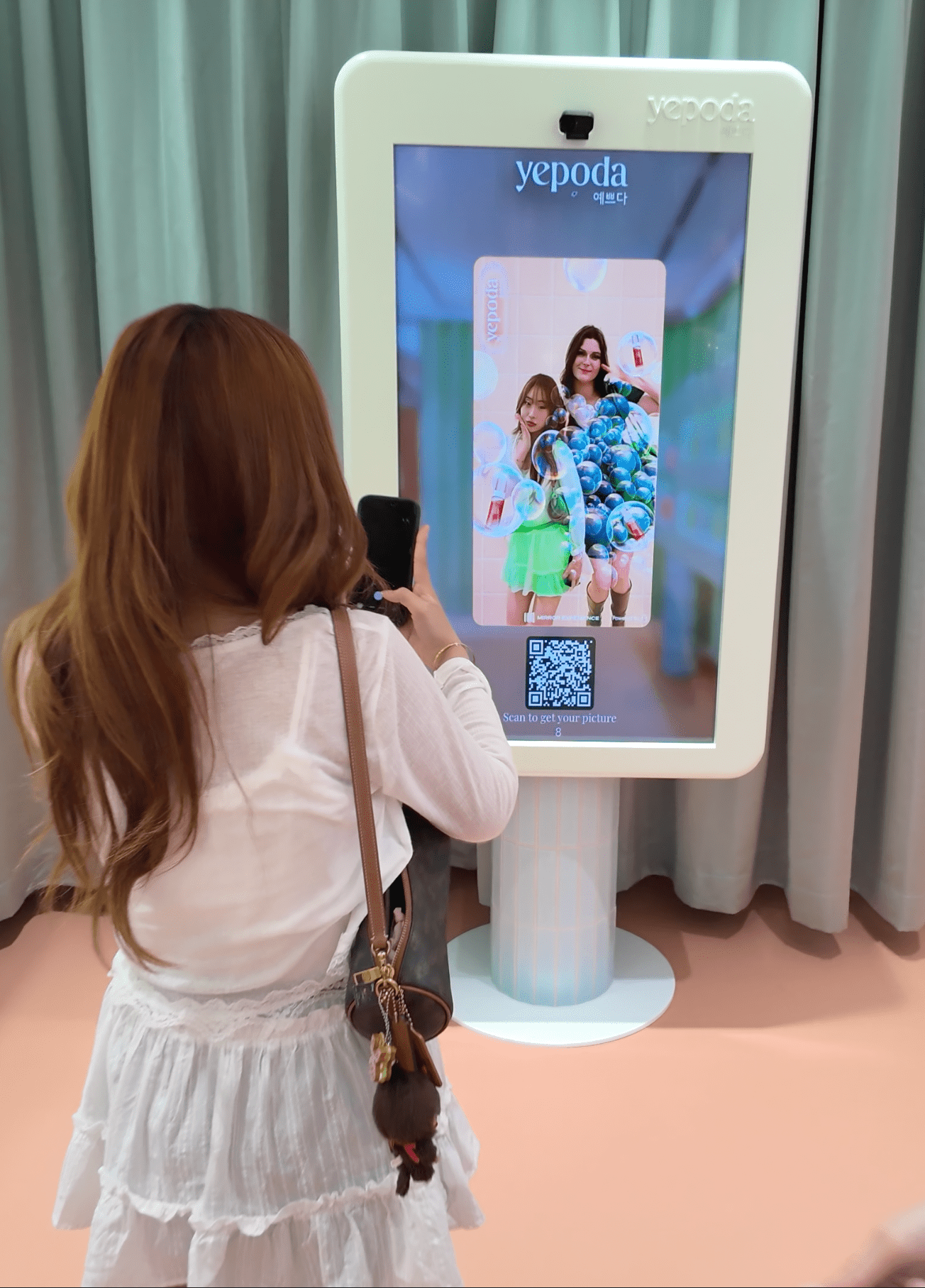
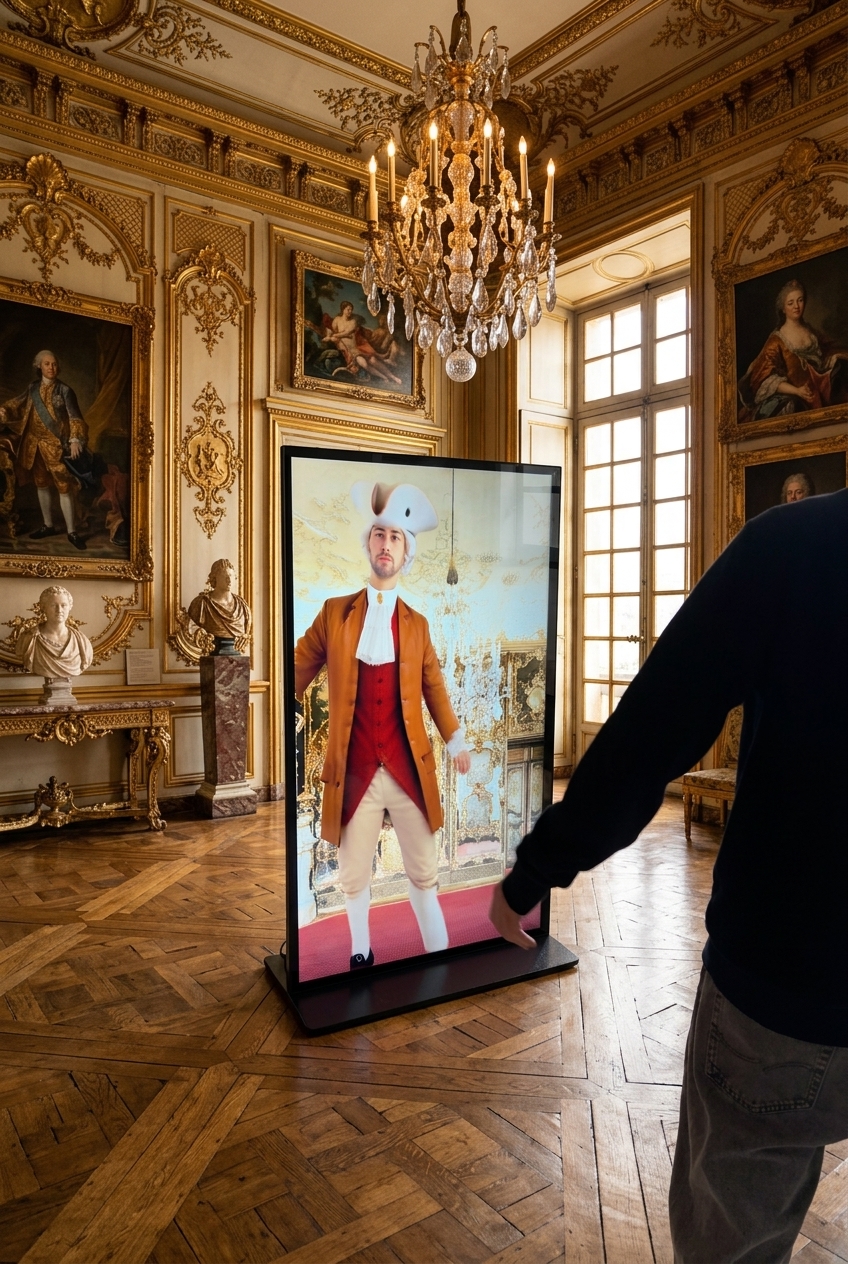
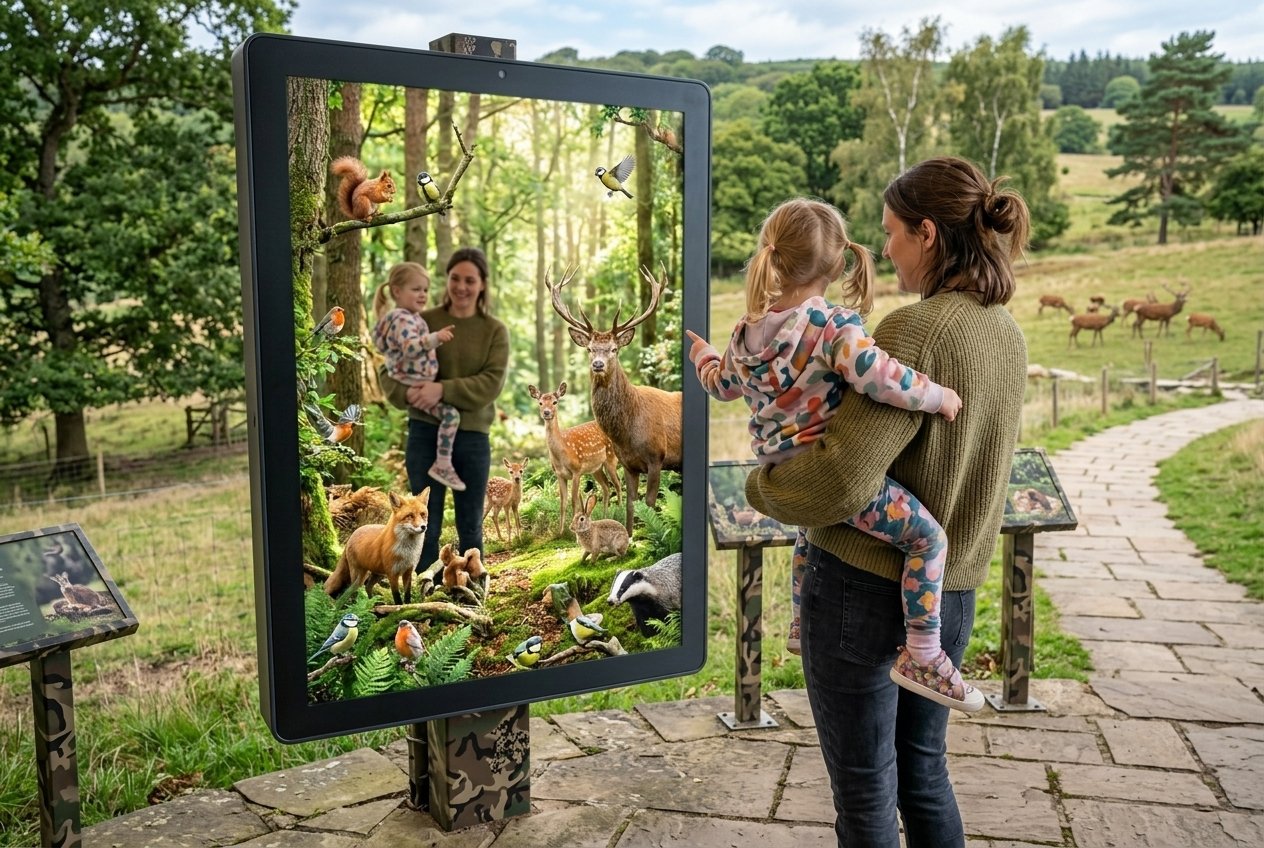
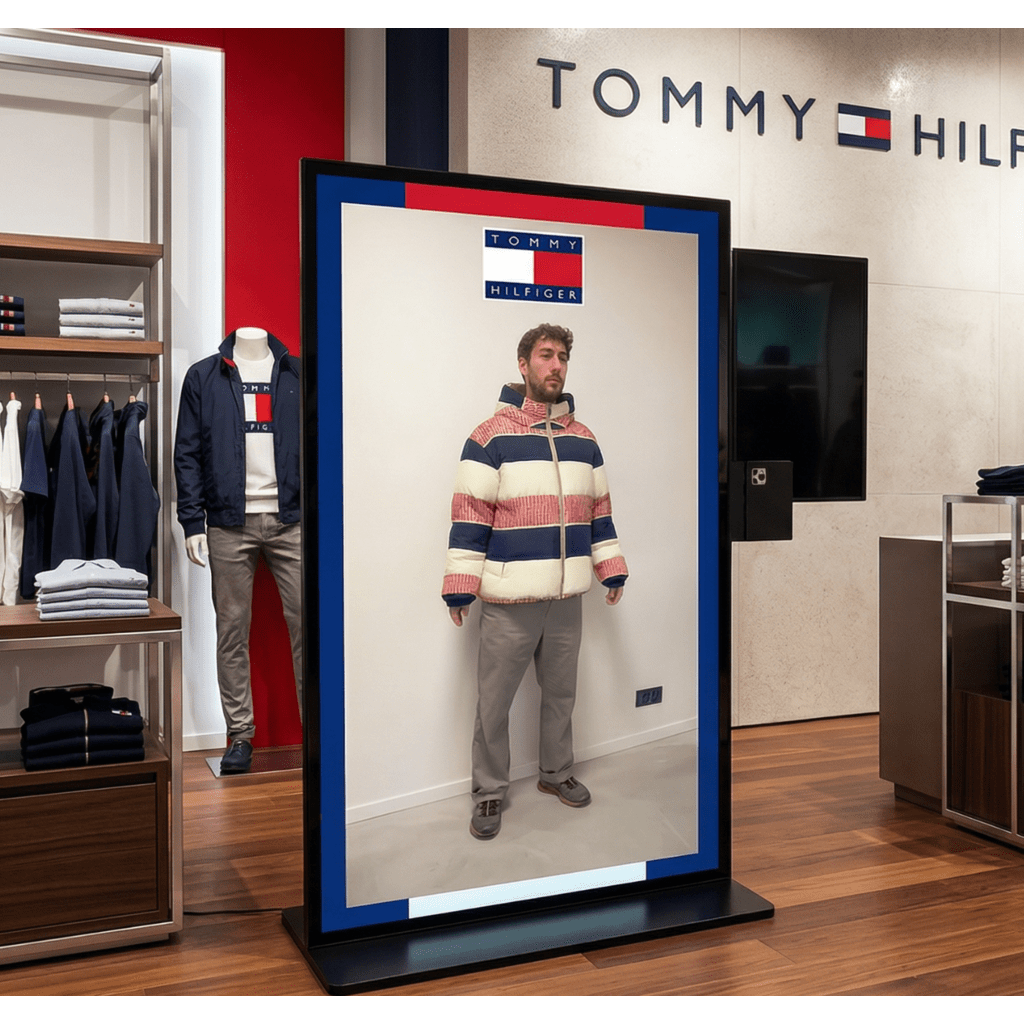
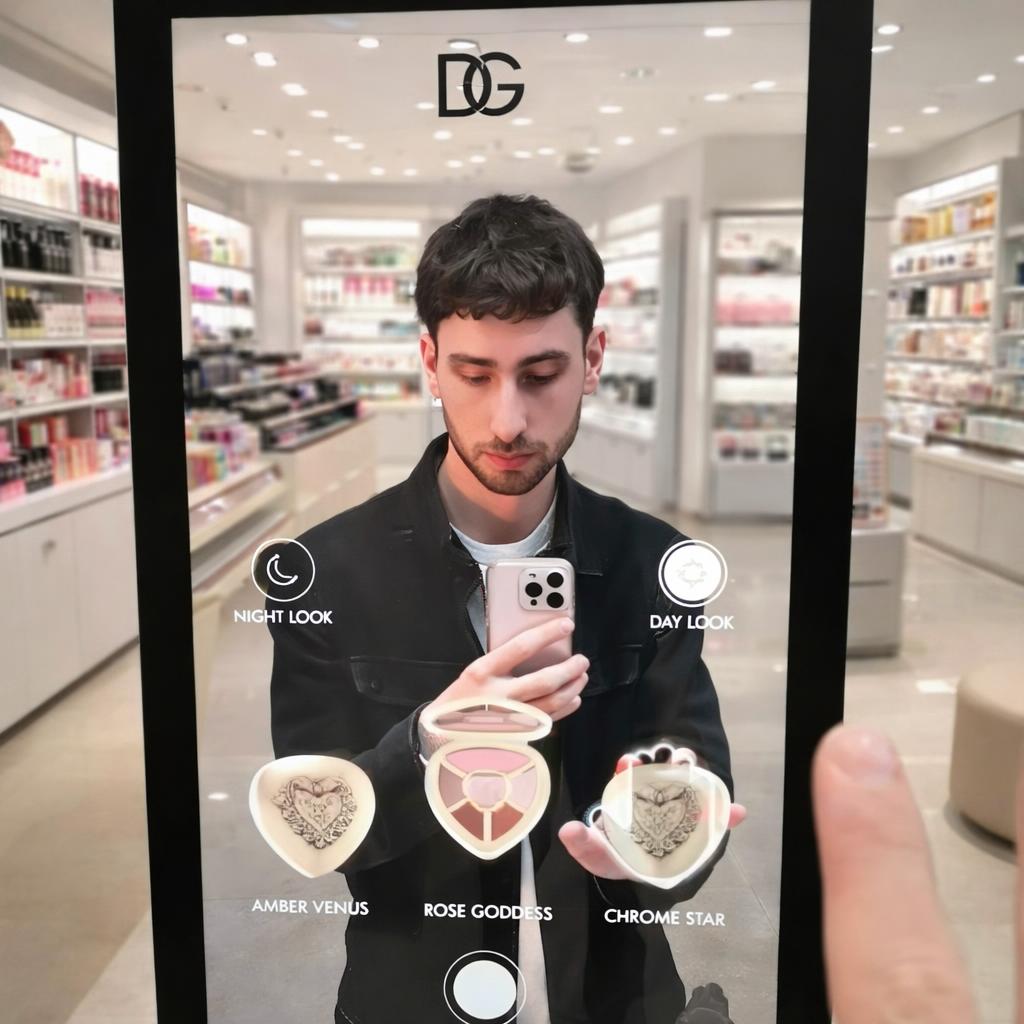
Guests step in front of a vertical screen, choose a theme tied to the event or brand, and see the transformation live. The system can print the photo on site, deliver it by QR code, or collect an email in exchange for the souvenir. Wedding guests get a guestbook that fills itself. Festival visitors get a memento of the day. Brands get a database and a stream of user-generated content.
Formats and flexibility
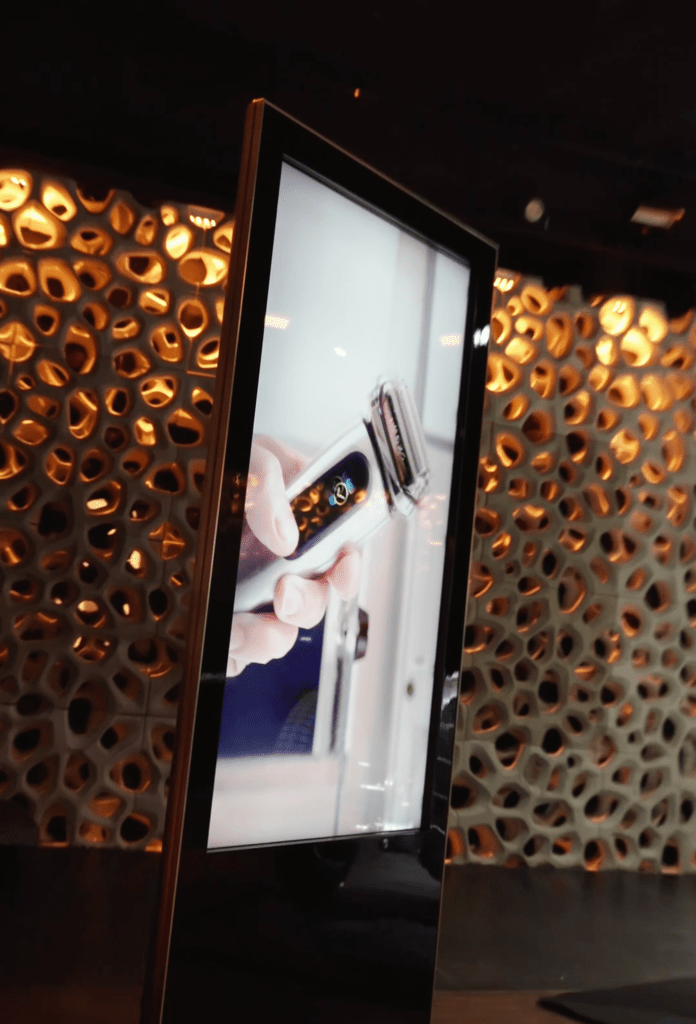
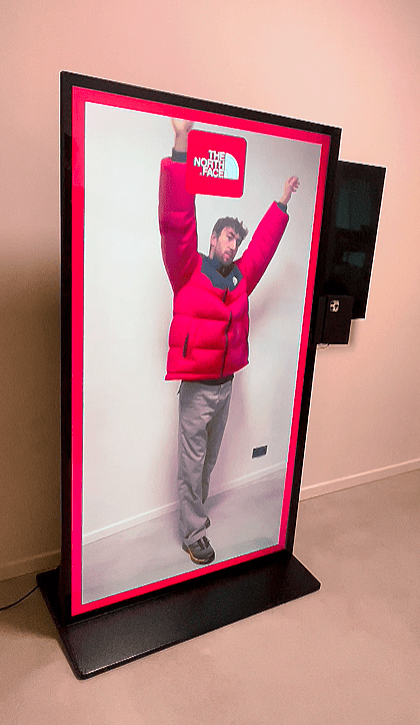
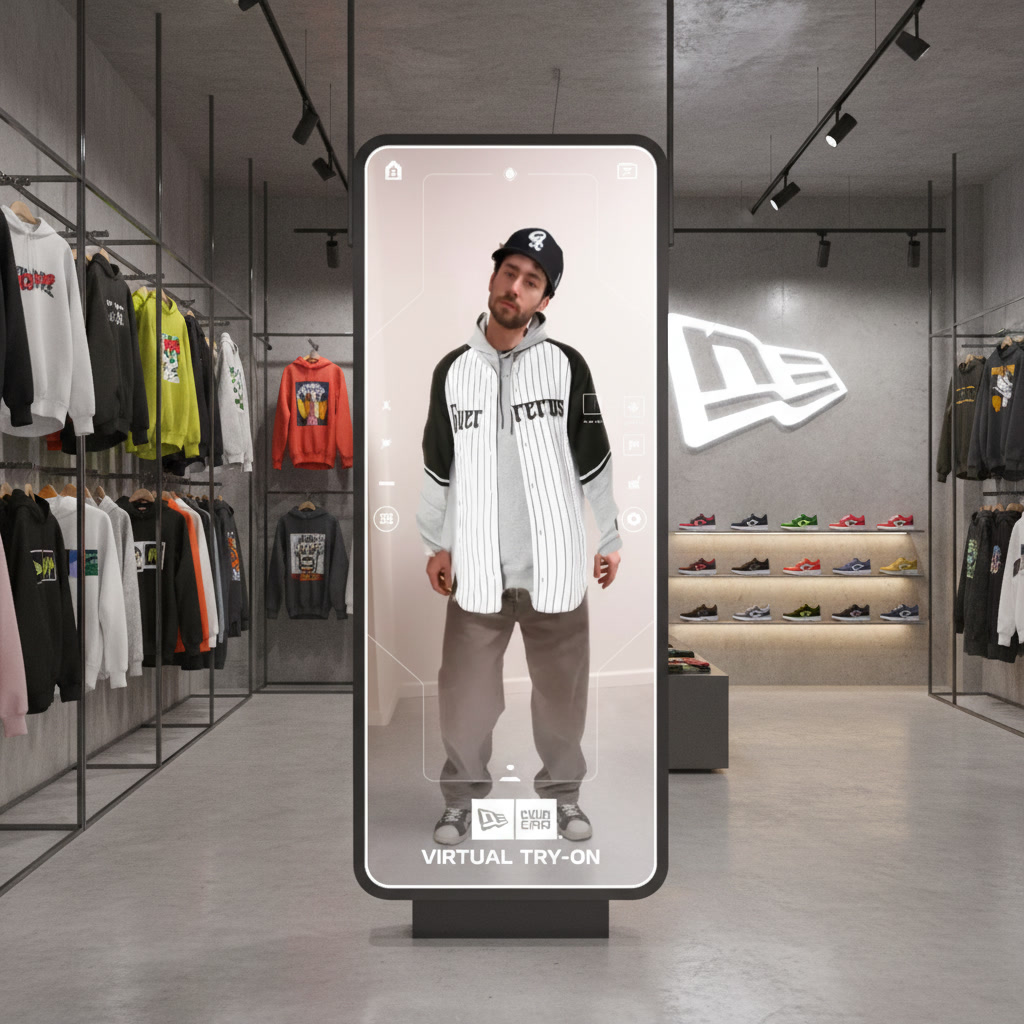
The mirror comes in formats that fit the event: a 50 to 65 inch unit for activations and booths, a 75-inch vertical screen for full-body experiences, and portable versions for multi-day tours. Content is created for the event and updated remotely, so a single installation can change theme between days or venues.
Frequently asked questions
How much does an AR mirror cost for an event?
An event AR mirror starts around 9,000 EUR, including the screen, software and branded effects. Rental options are available for single-day activations.
Can guests get a printed photo?
Yes, on site, which also works as a revenue line for public events and festivals.
How far in advance do we book?
Three weeks is enough for a standard installation, which covers most event planning cycles.
Can the theme match our brand?
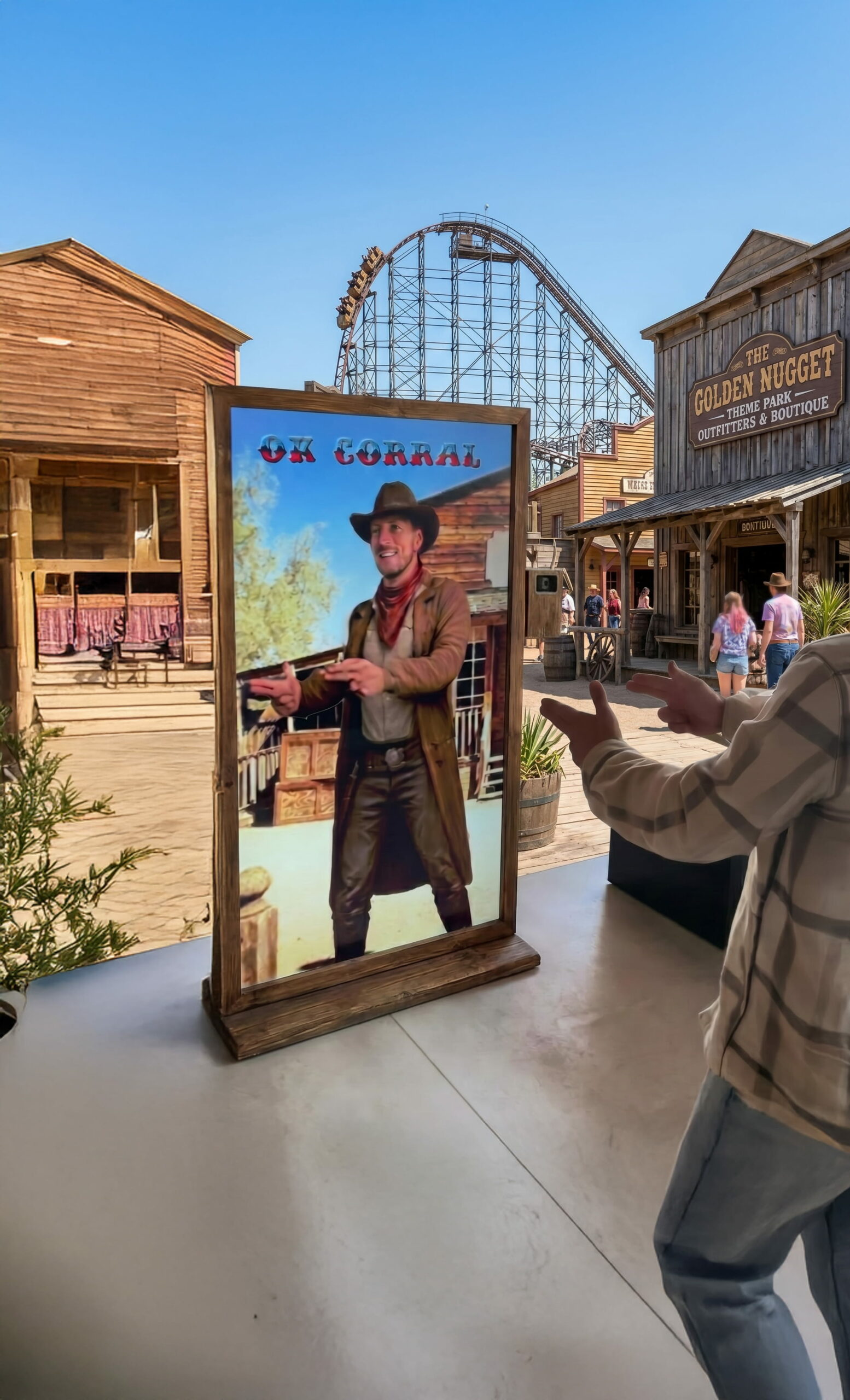
Yes. Effects, costumes and avatars are built around your campaign, and new themes can be pushed remotely at any time.
Book a demo for your next event
The mirror is the kind of installation you have to see with your own eyes. Mirror Experience offers a free pilot, examples of brand activations already delivered, and a quote within a week. Contact us and let’s make your event the one people talk about.