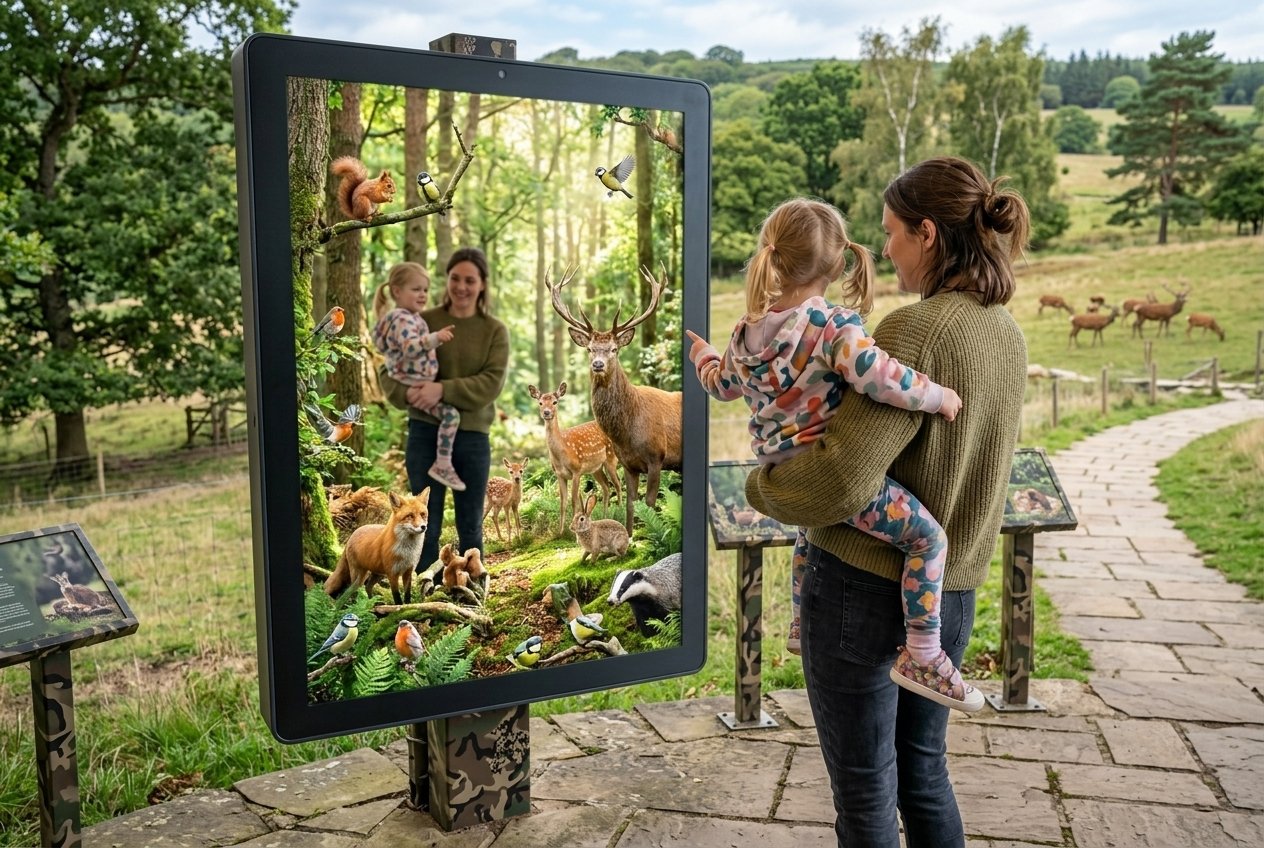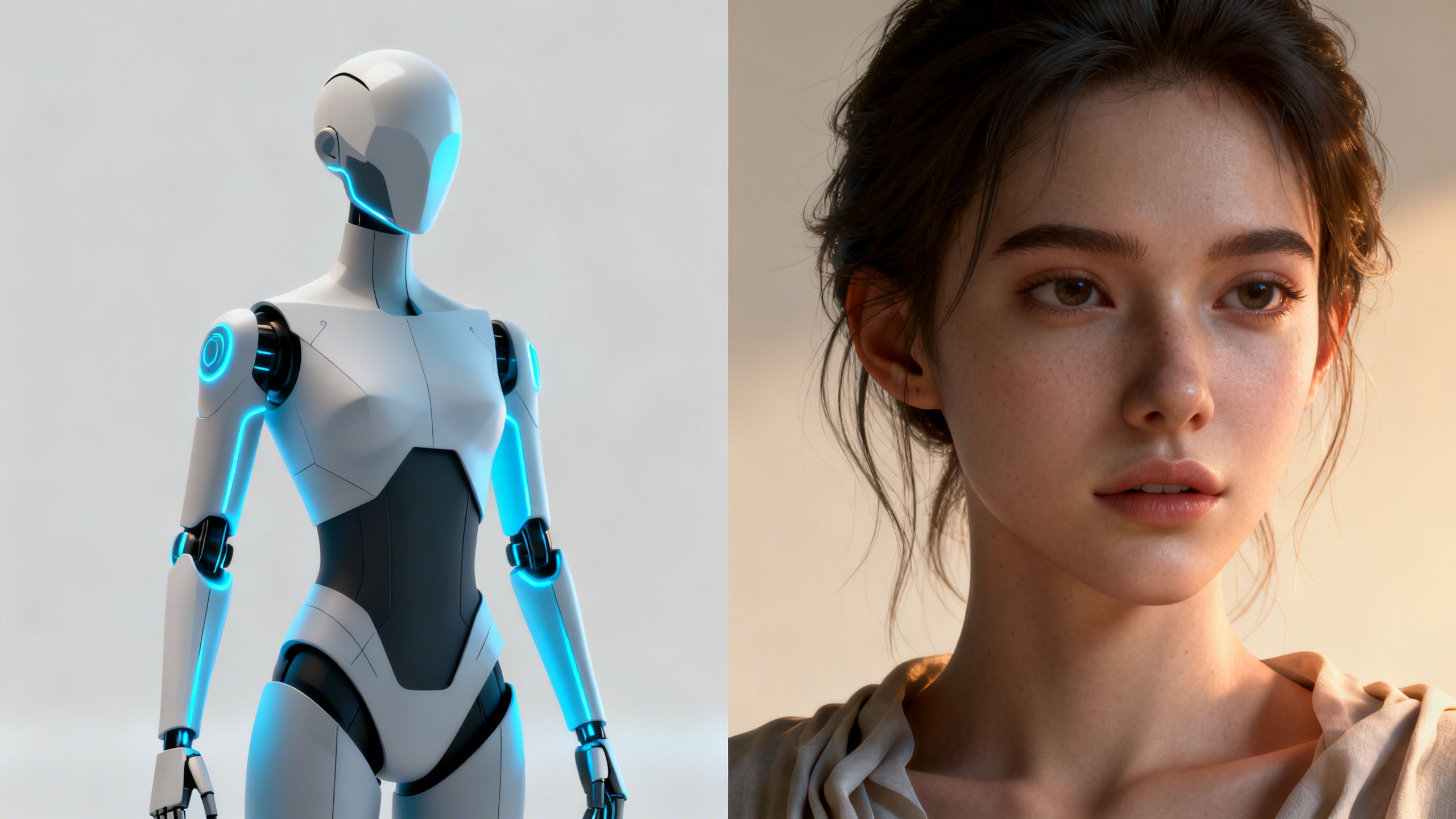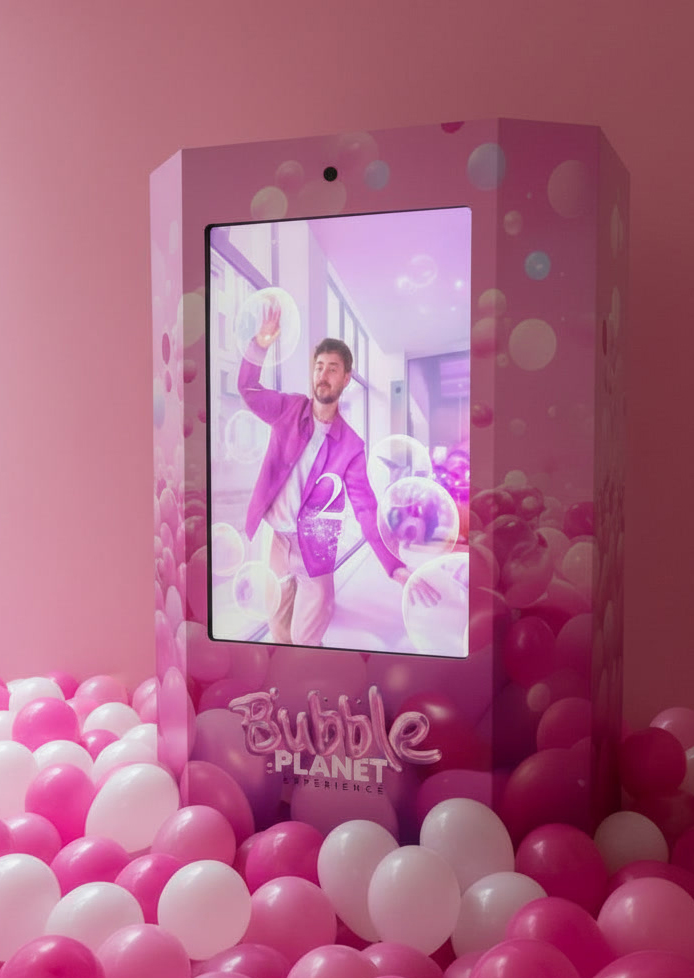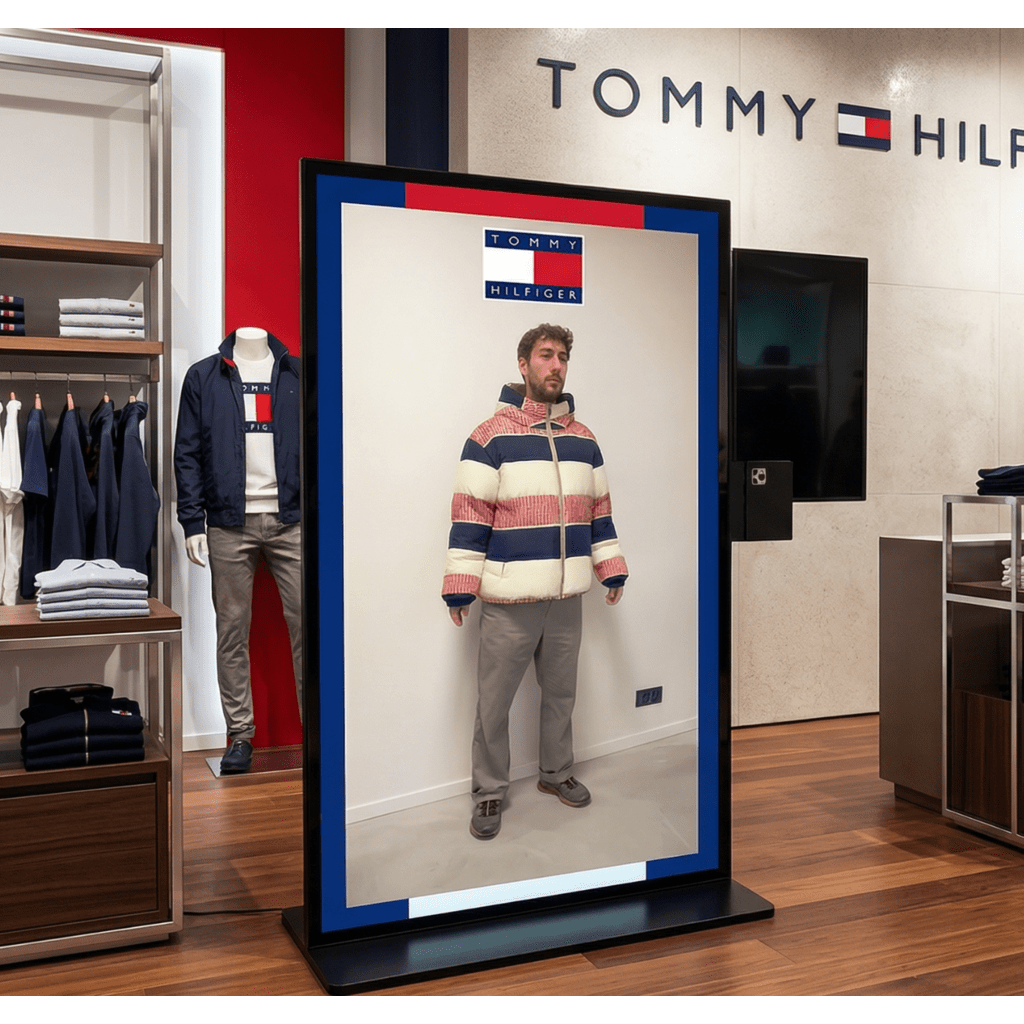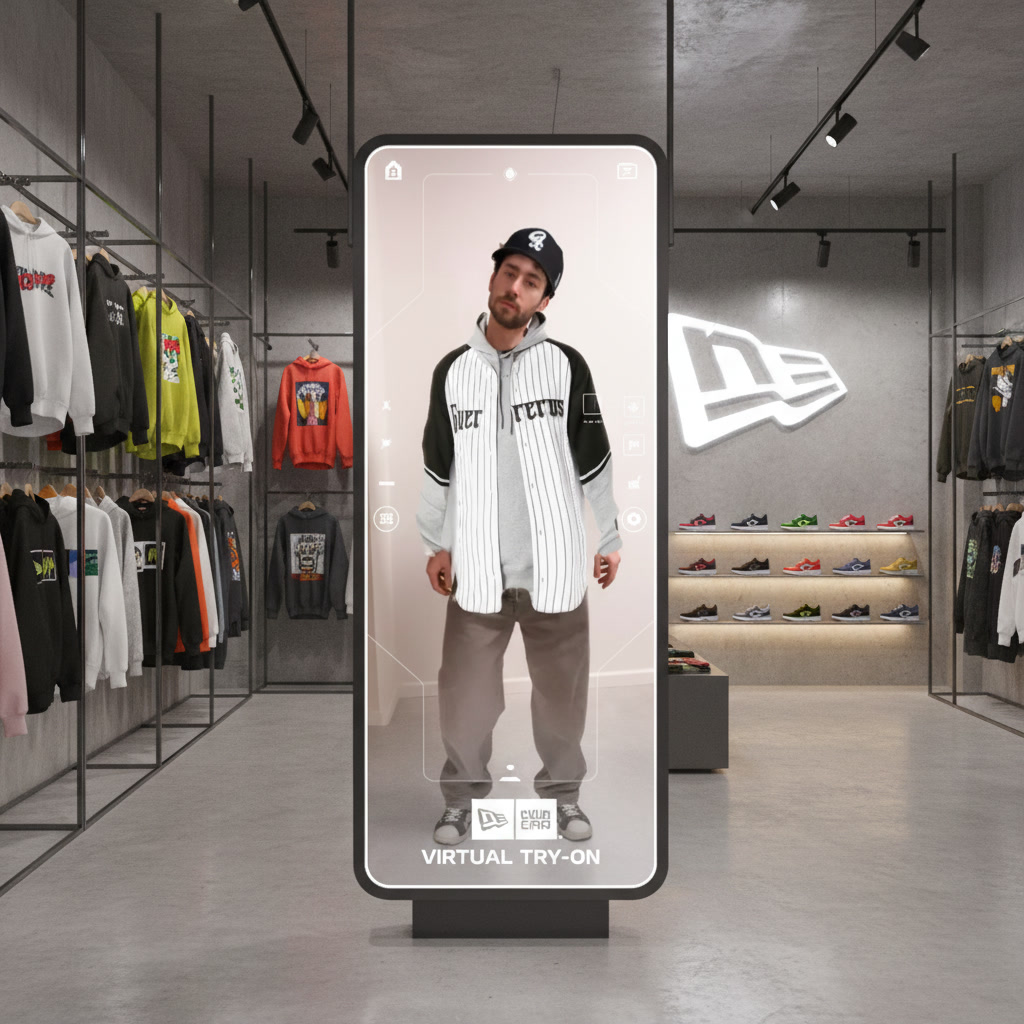
AI mirror installation in Tokyo
We have not installed a mirror in Tokyo yet. This page exists because clients ask, and because the answer is not a simple yes. Tokyo is installable, and it is the market where the electrical and certification details are least forgiving. Better to set that out than to pretend the question is only about shipping a crate.
The short version. We build and commission in Tokyo on request, working with a local partner for certification and first-line support. Software from 8,000 EUR, hardware 1,000 to 5,000 EUR on top. Free pilot, then a project timeline that includes PSE certification.
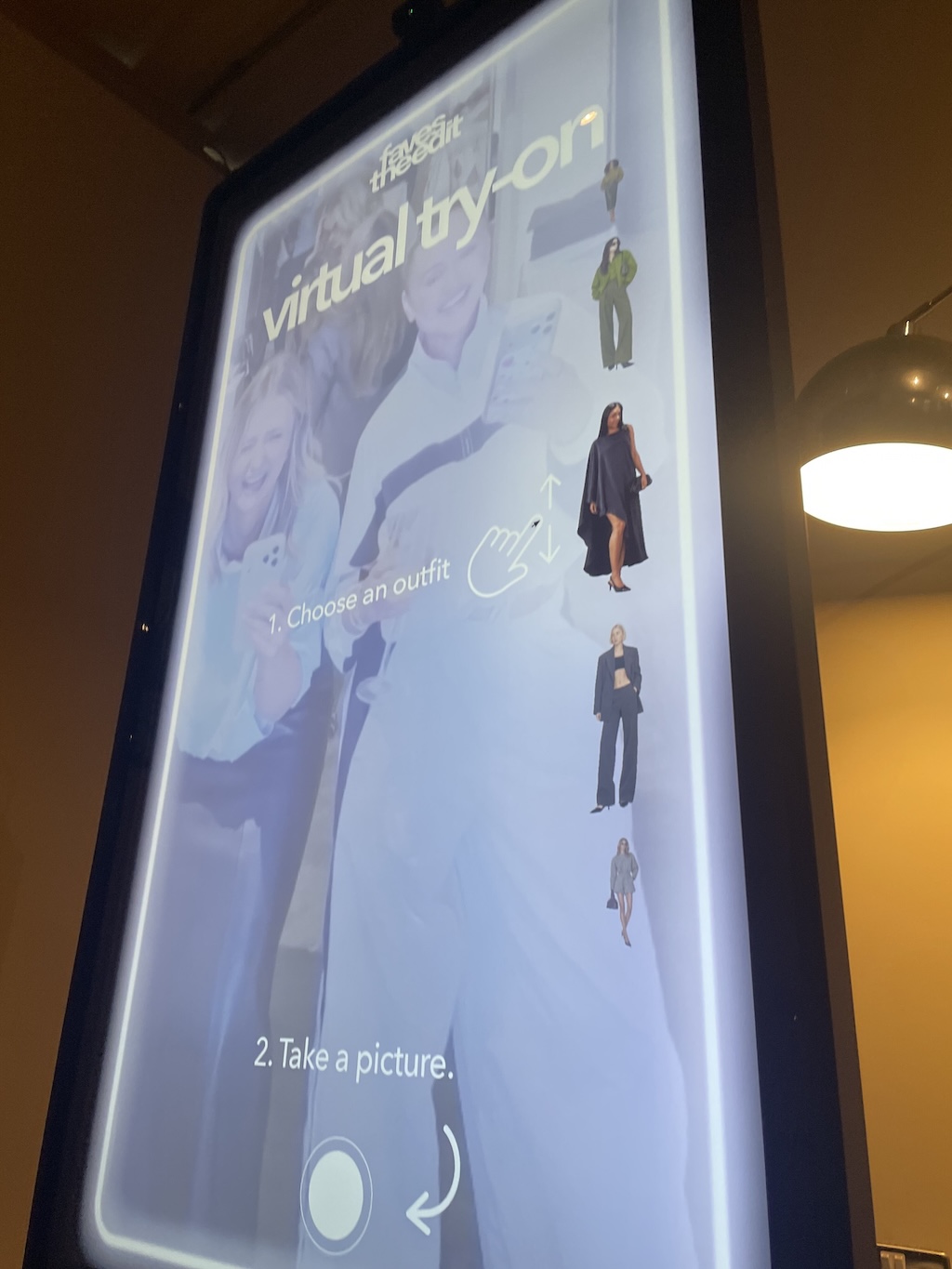
What we would install in Tokyo
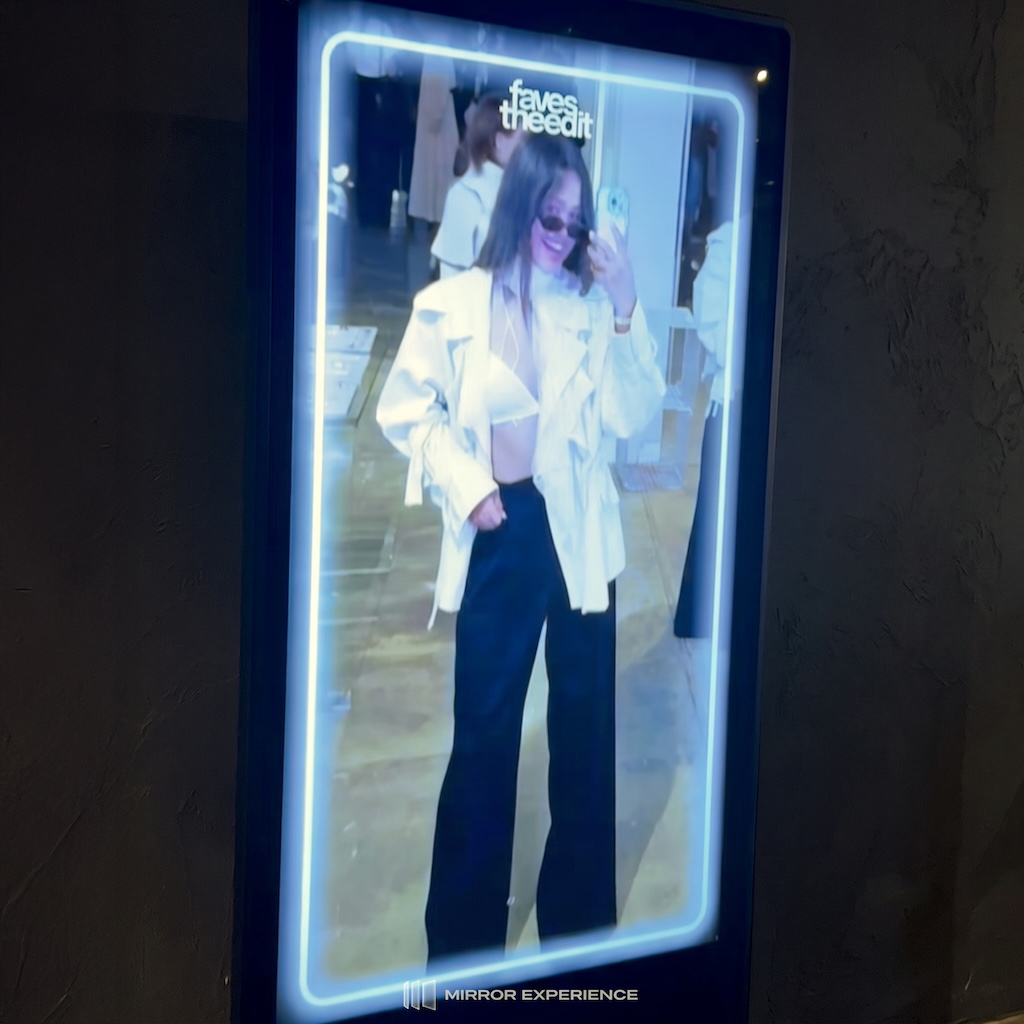
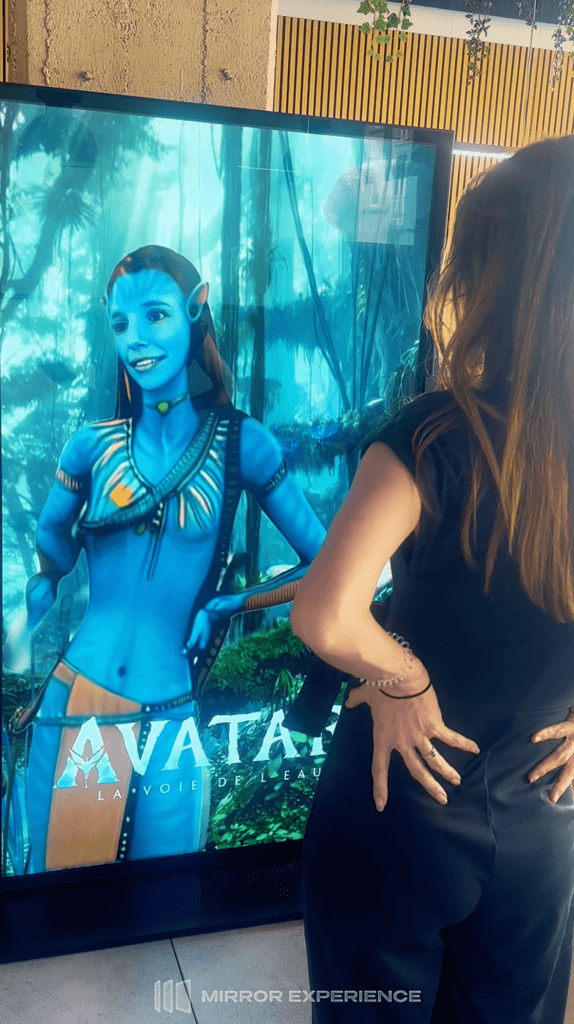
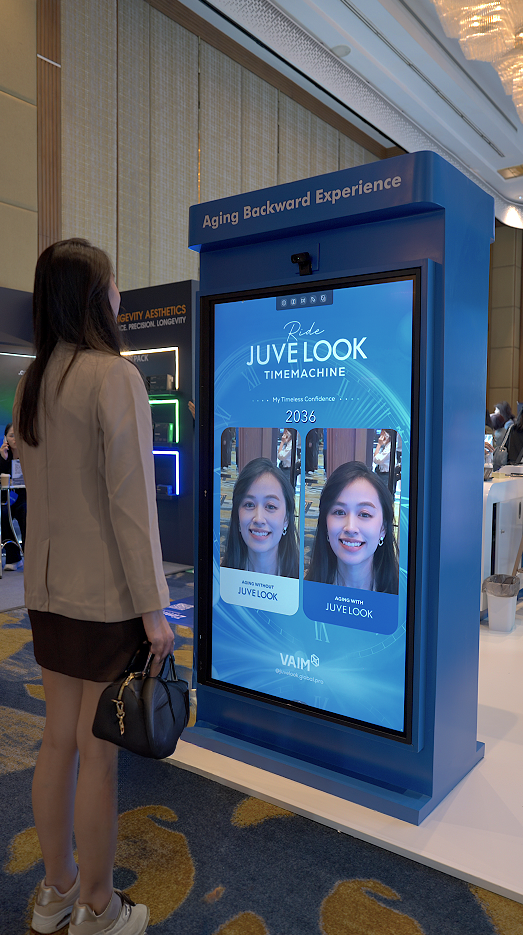
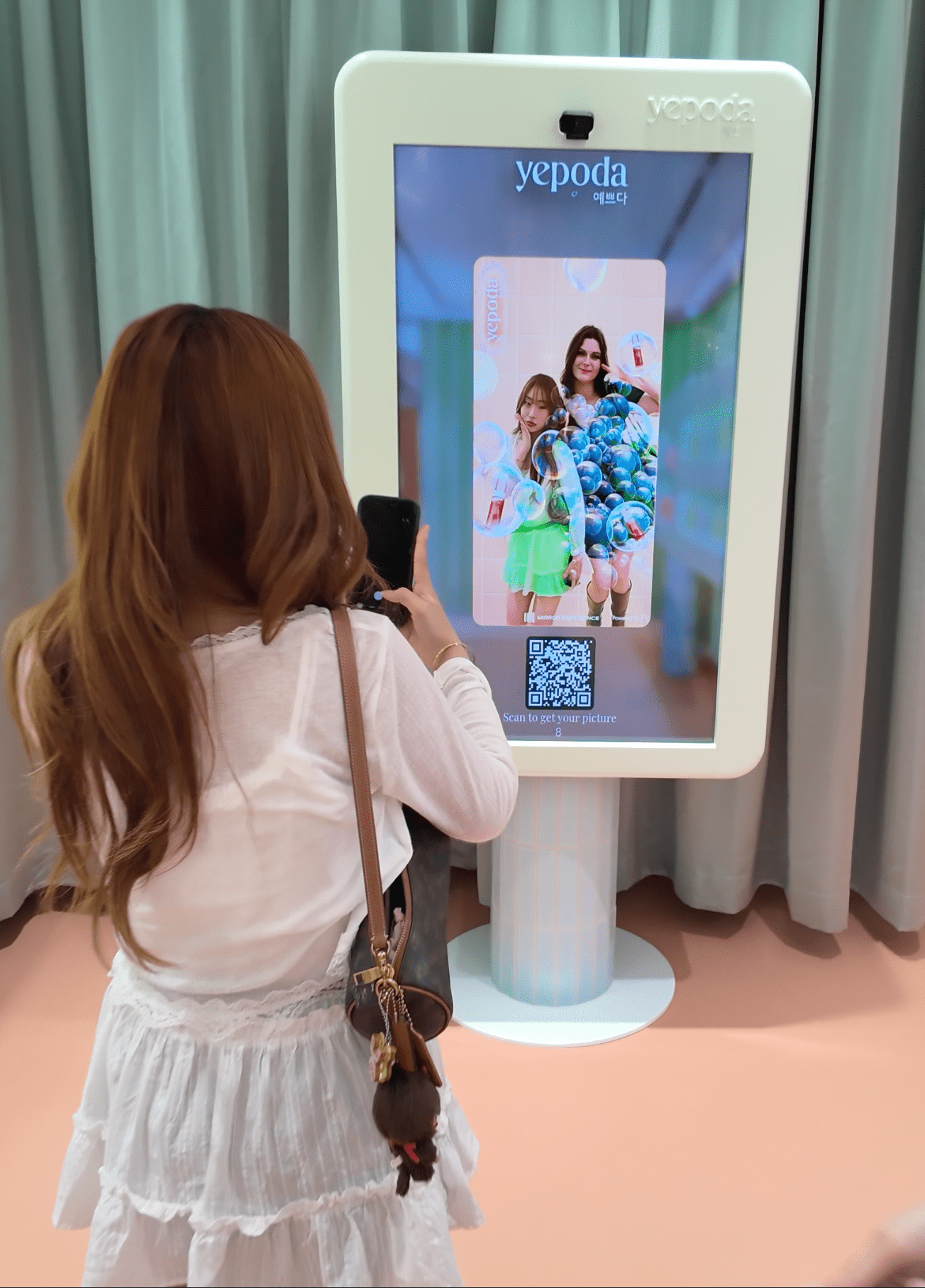
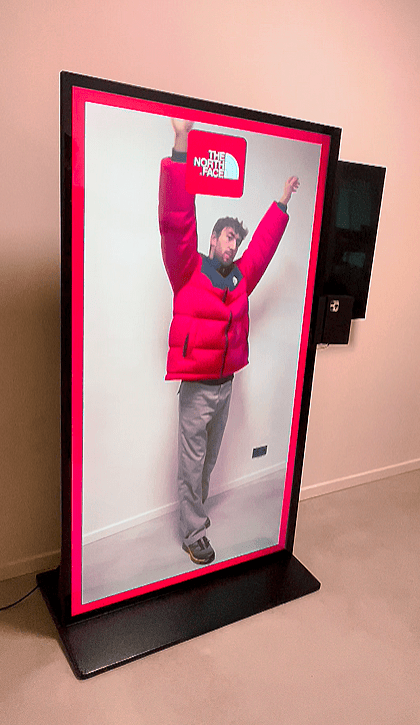
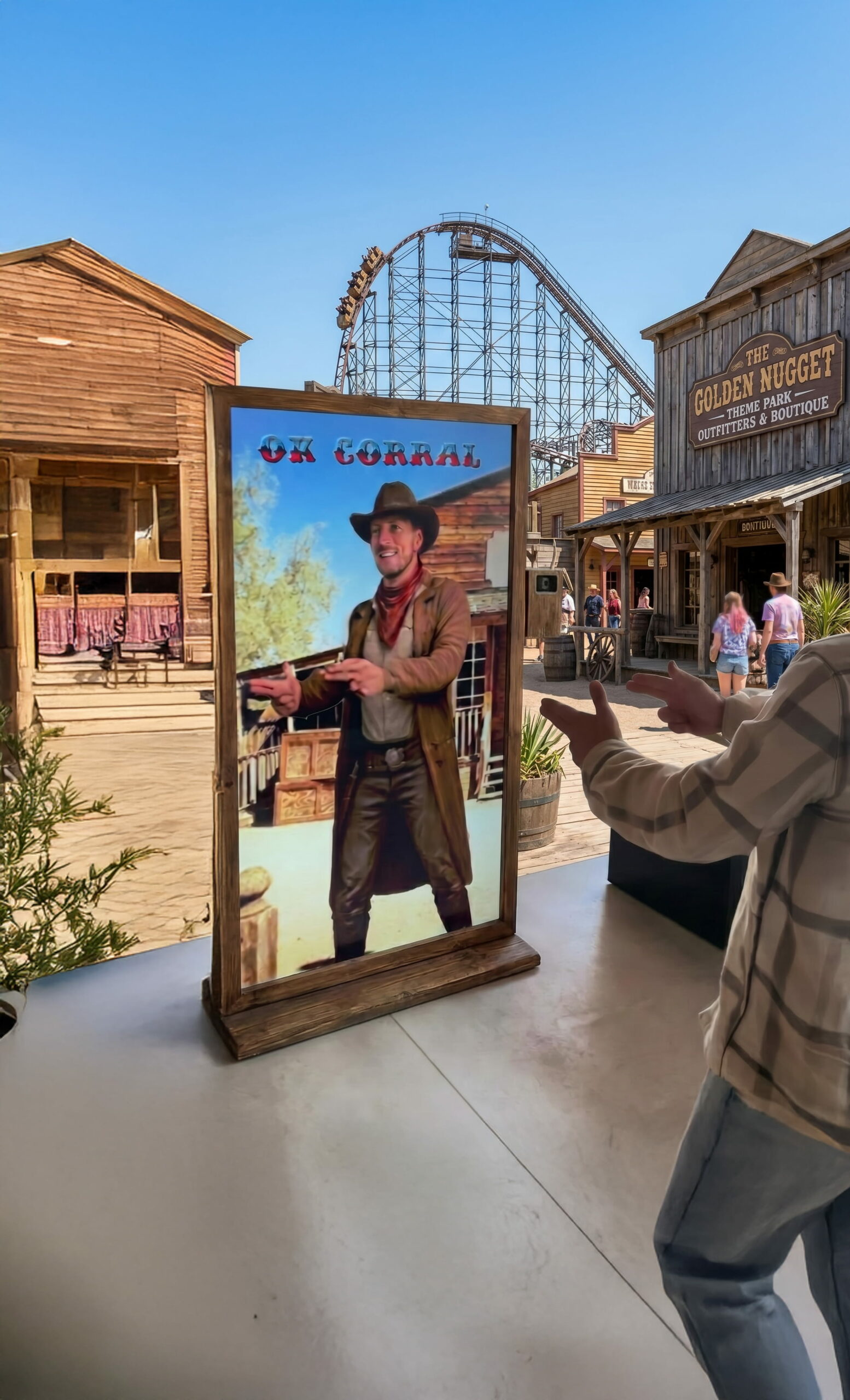
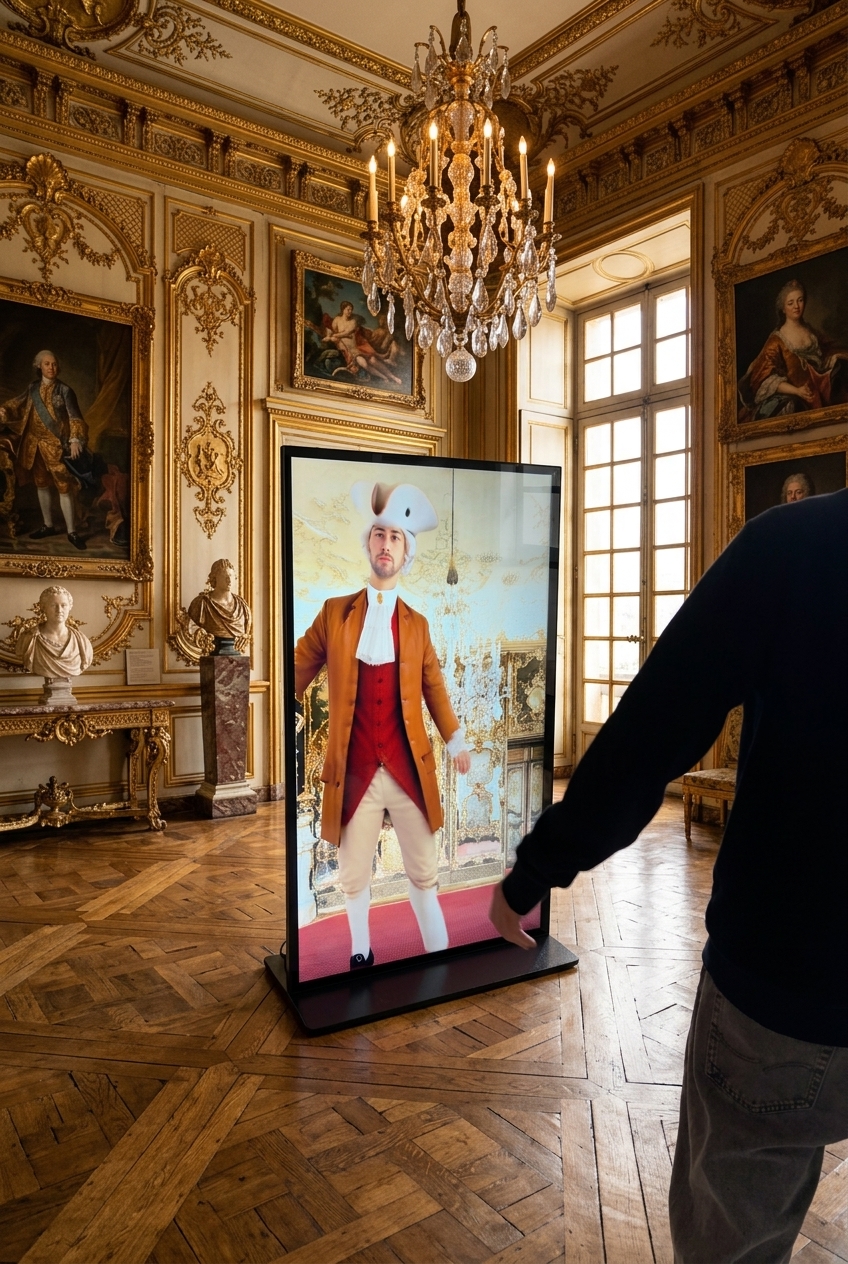
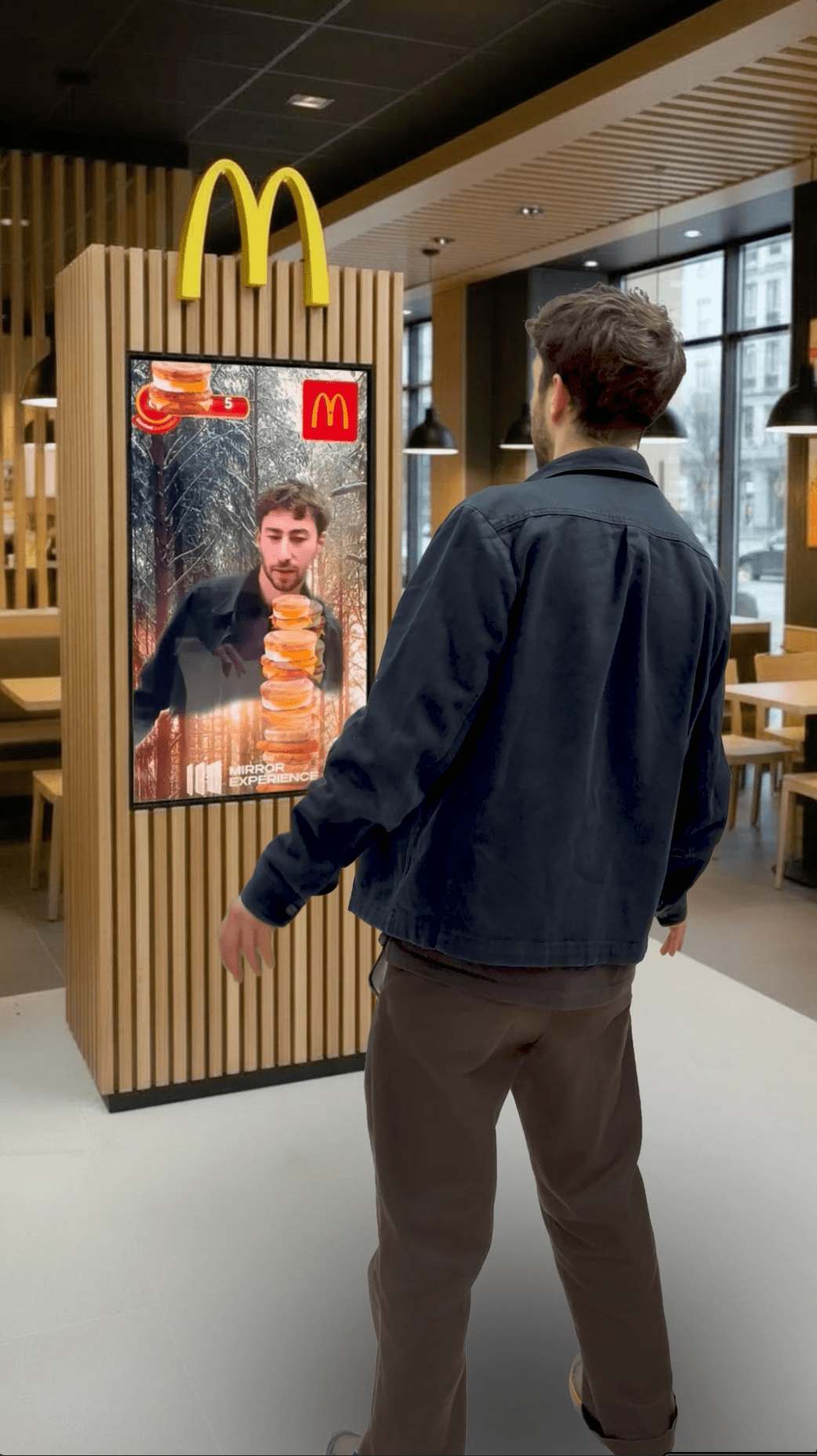
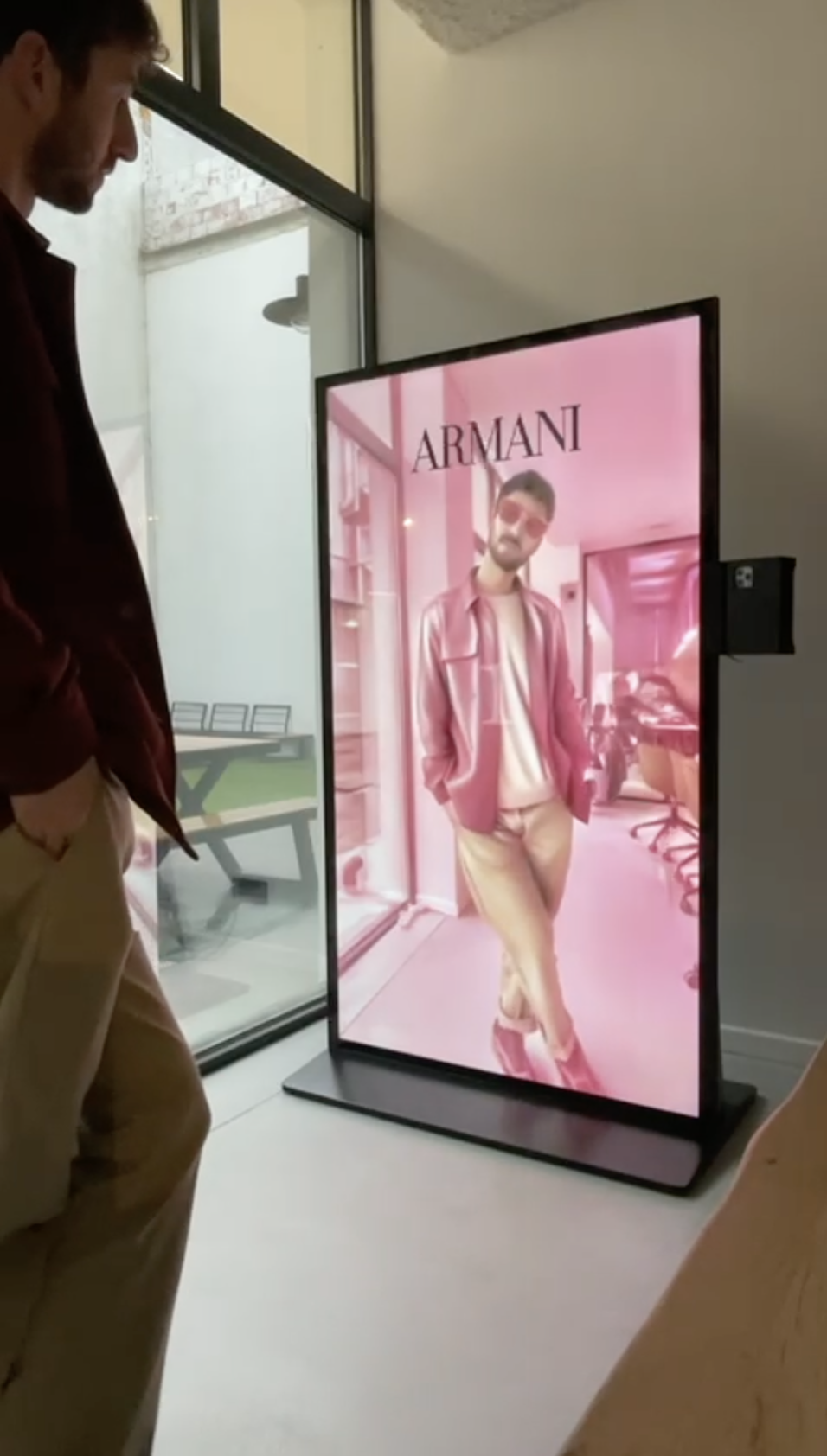
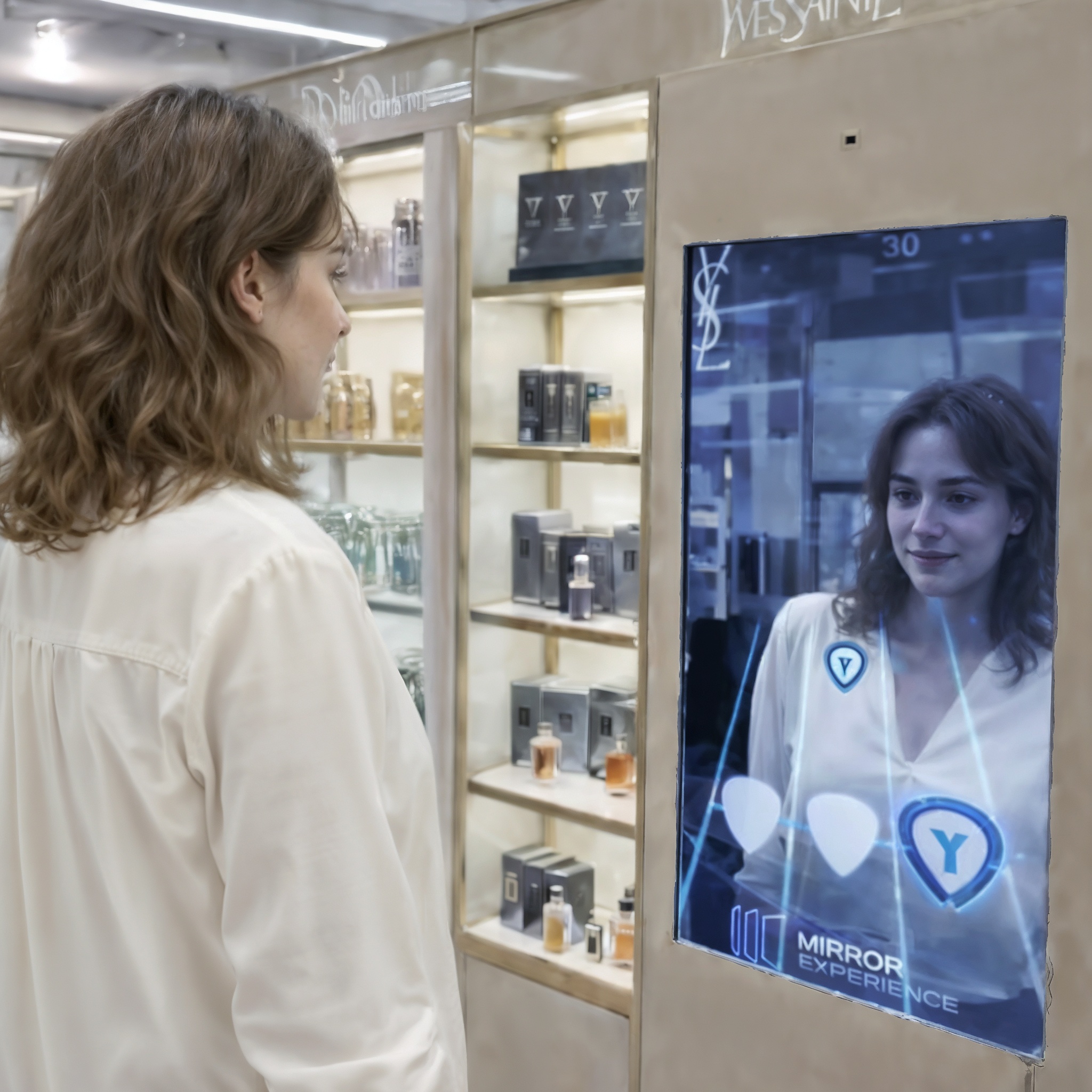
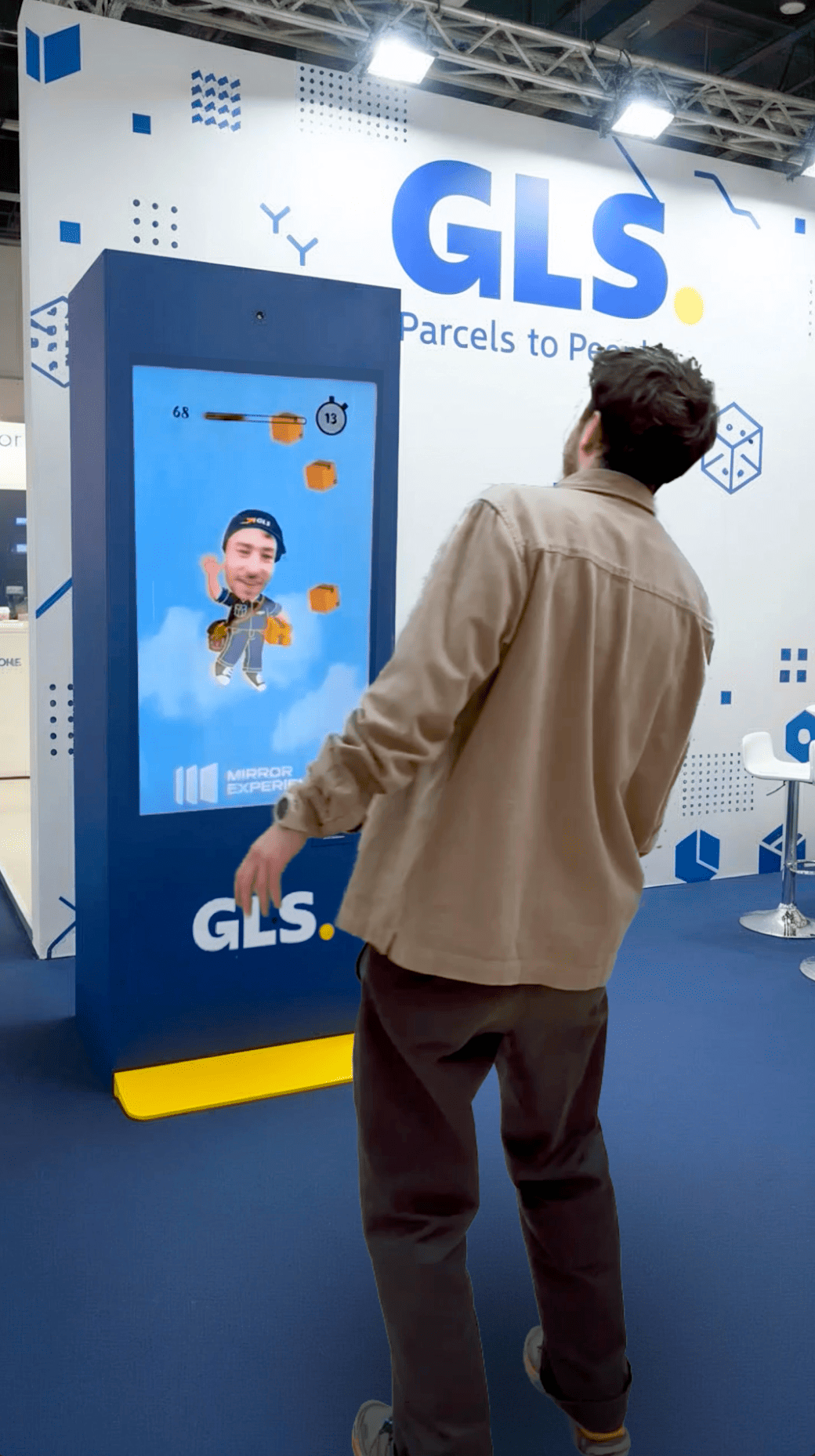
AI mirrors for beauty and cosmetics retail, which is the strongest use case in this market. Virtual try-on for fashion in Ginza or Omotesando. AR mirrors for events and showrooms. And immersive rooms for exhibitions and brand spaces.
The Japanese electrical detail that changes the build
Japan runs at 100 volts, not 230. That alone means a different power configuration rather than a plug adapter, and it is not the only difference. The frequency splits the country: eastern Japan including Tokyo runs at 50 hertz, western Japan including Osaka at 60. A unit built for Tokyo is not automatically correct for a rollout that includes Kansai.
Sockets are Type A, two flat pins without an earth. Anything drawing real power needs a proper earth arrangement rather than a socket that physically fits. Our units are specified at the factory for the destination, which is why we ask for the site before quoting a price, not after.
Certification is the second gate. Electrical equipment sold in Japan needs the PSE mark, and the route depends on the product class. This is where a local partner earns their fee, and where a project without one loses a month.
Why Tokyo is worth the difficulty
Because the audience here rewards the technology that is actually hard. Japanese retail has been using screens and digital signage for longer than most of Europe, so the novelty of a screen is worth nothing. What still stops people is a result that looks real, in real time, on their own body. That is precisely the part of the problem we spent years on, and it is why the conversation in Tokyo is a technical one rather than a marketing one.
The second reason is content. An experience in Ginza that reads as an imported demo will be treated as one. The interface, the prompts and the tone have to be written for the market, and the register of Japanese used in retail is not the register used in a manual. A mirror that speaks to a customer the way a shop assistant does feels native. One that speaks to them the way a software installer does does not.
Who asks us about Tokyo
Beauty and cosmetics brands with a flagship or a department store counter. Fashion labels in Ginza or Omotesando. Event producers and agencies needing an interactive build. Brands expanding from Europe or Korea that have already installed with us elsewhere and want the next site to match.
B2B only. No weddings, no private parties, no consumer rentals.
Cost and timeline
| Item | Range |
|---|---|
| Software licence, our real-time AI stack | from 8,000 EUR |
| Hardware, 100 volt configuration and structure dependent | +1,000 to +5,000 EUR |
| PSE certification and Japanese localisation | quoted separately |
| Brief to live | 6 to 10 weeks, certification included |
We give the longer window rather than the European one because PSE certification and Japanese content are sequential steps, not parallel ones. A quote that promises two to four weeks for a first installation in Tokyo is a quote that has not done the paperwork.
See the mirror running
Filmed on site, our own hardware and our own software. No render, no post-production overlay.
Questions we get about Tokyo
Do you have a partner in Japan? We work with local partners for certification and first-line support. We do not claim an office we do not have.
Is the interface in Japanese? Yes, written for the market rather than machine translated.
Can it run without the cloud? Yes, locally on the machine beside the screen. In Japan that also answers the data question, which comes up early in retail conversations.
Would you install for a one week event? Yes, with the caveat that certification still applies. A temporary import route exists for event equipment, and it needs planning time.
How do we start? With a free pilot and a video call, then a site survey. The pilot does not answer the certification question, but it answers whether the experience is right for your customers, which is the more expensive question.
Let’s talk about your Tokyo project
Tell us the site, the voltage availability and the date. We will tell you honestly what certification adds in time and what a local partner needs to handle. The pilot is free.