AI mirror installation in London
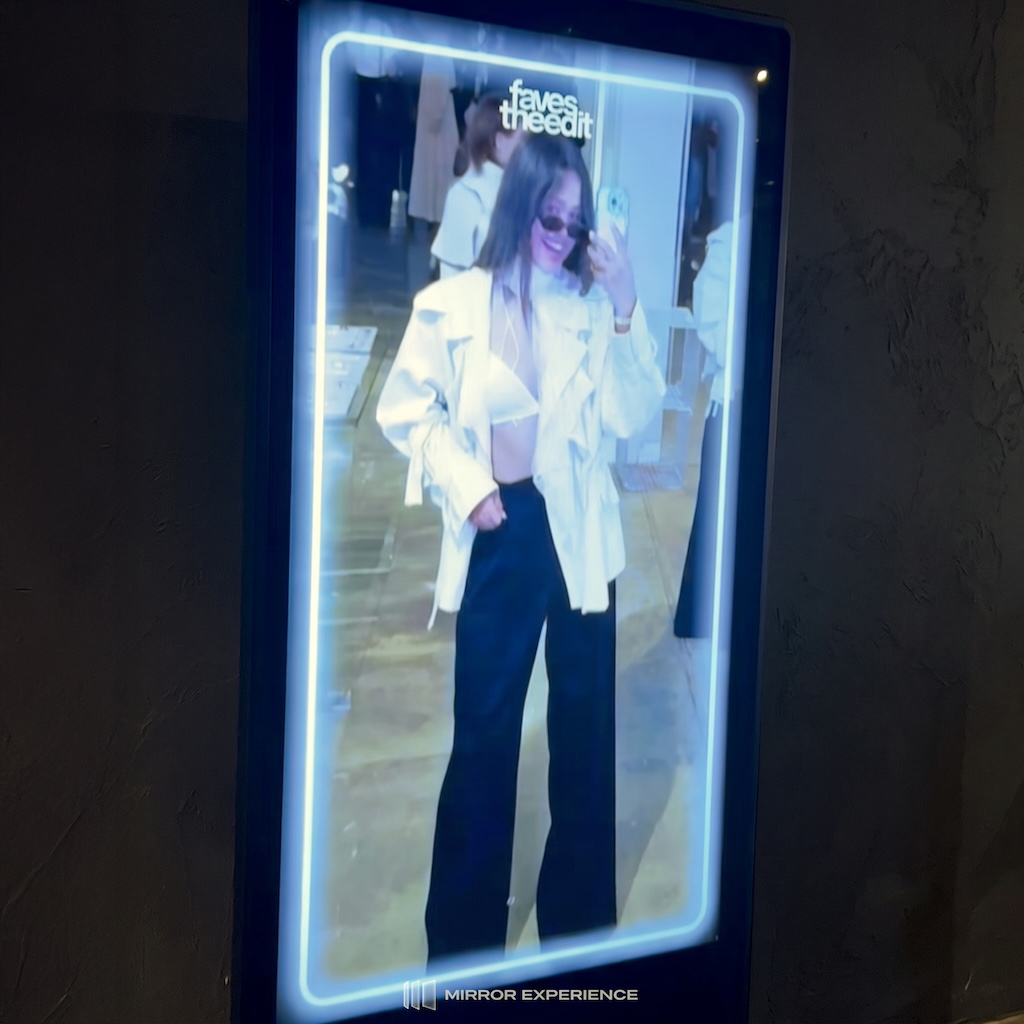
We install AI mirrors in London, including the AI try-on mirror shown at London Fashion Week with Faves The Edit. Since the UK left the customs union, getting hardware into the country is a different job than getting it into Paris, and most European AV suppliers underestimate it. We plan for it.
The short version. Live AI try-on at 25 fps. Software from 8,000 EUR, hardware 1,000 to 5,000 EUR on top, quoted separately because your room decides it. Import, customs and UK compliance handled as part of the project. Free pilot, two to four weeks from brief to live.
What we install in London
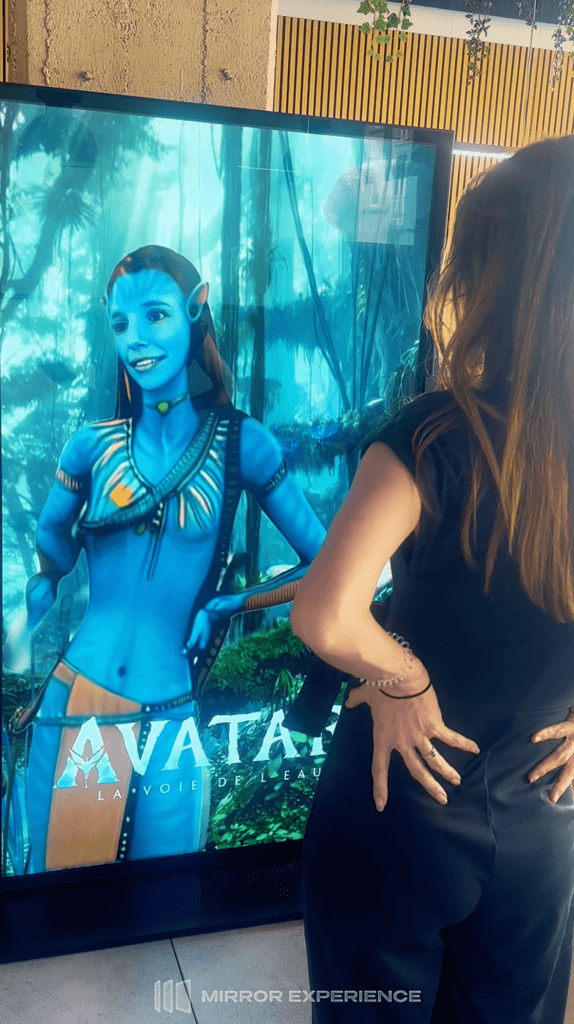
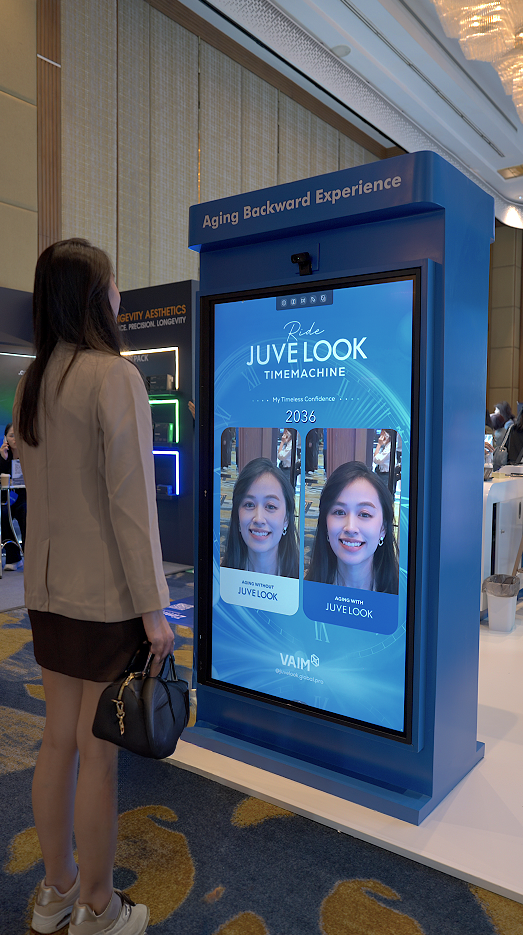
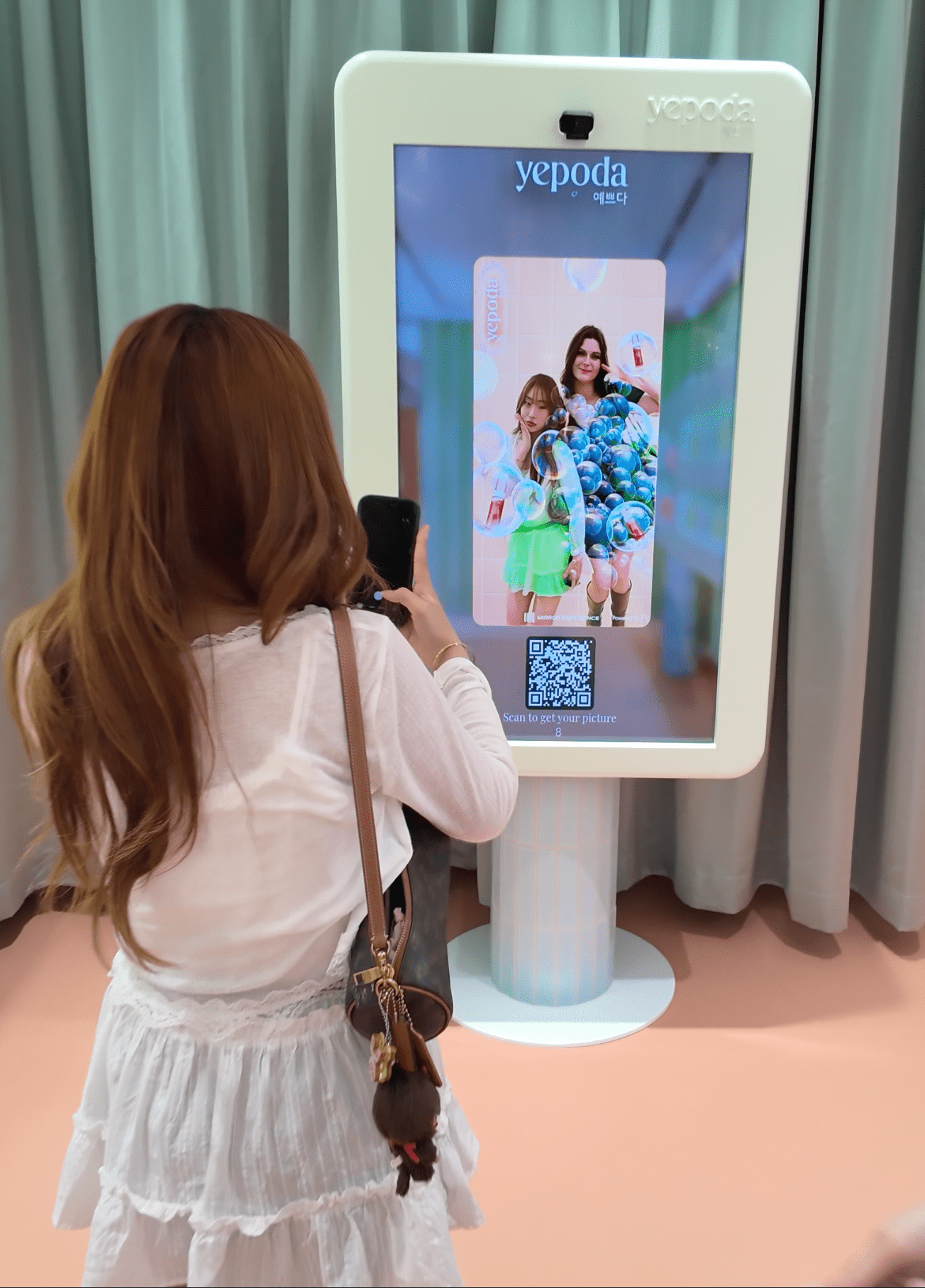
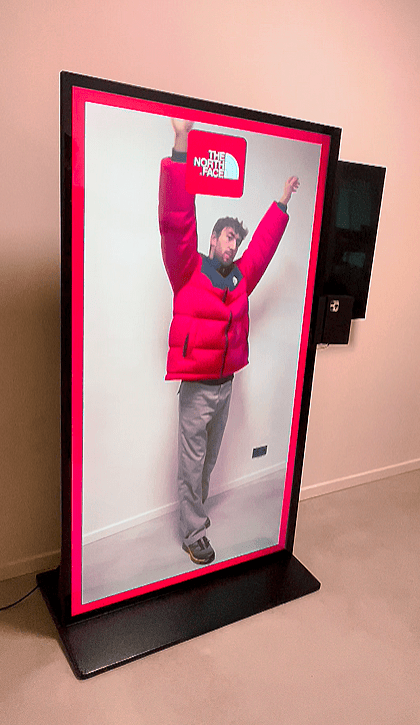
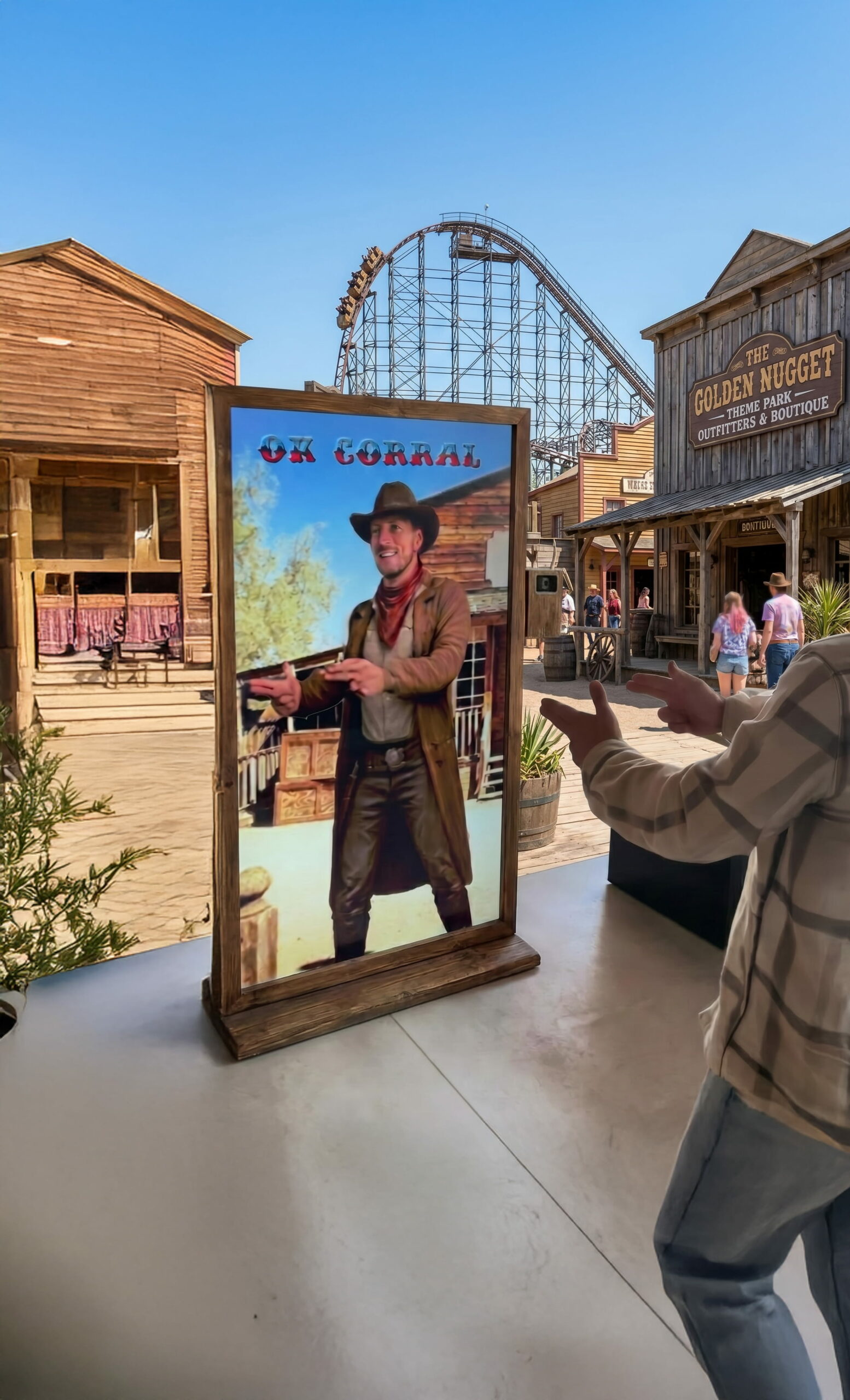
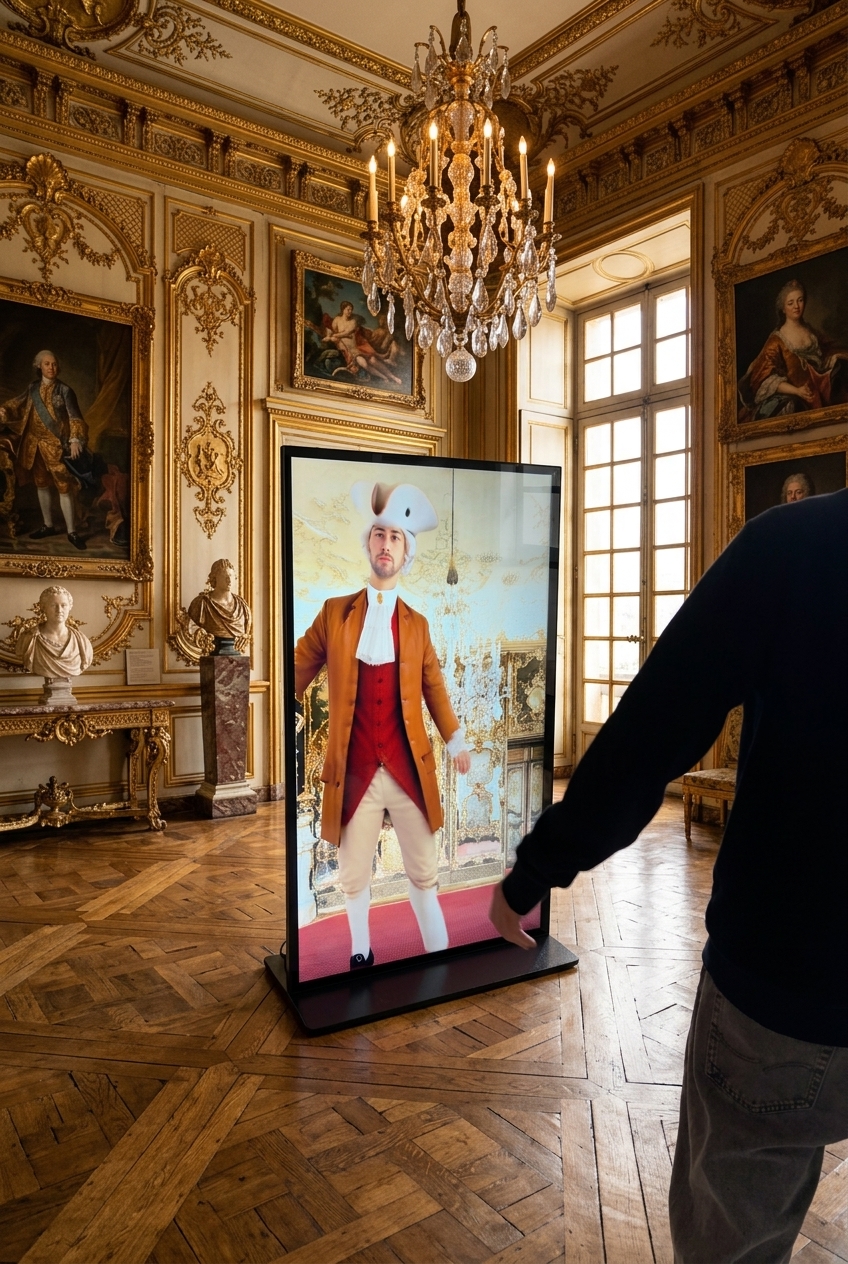
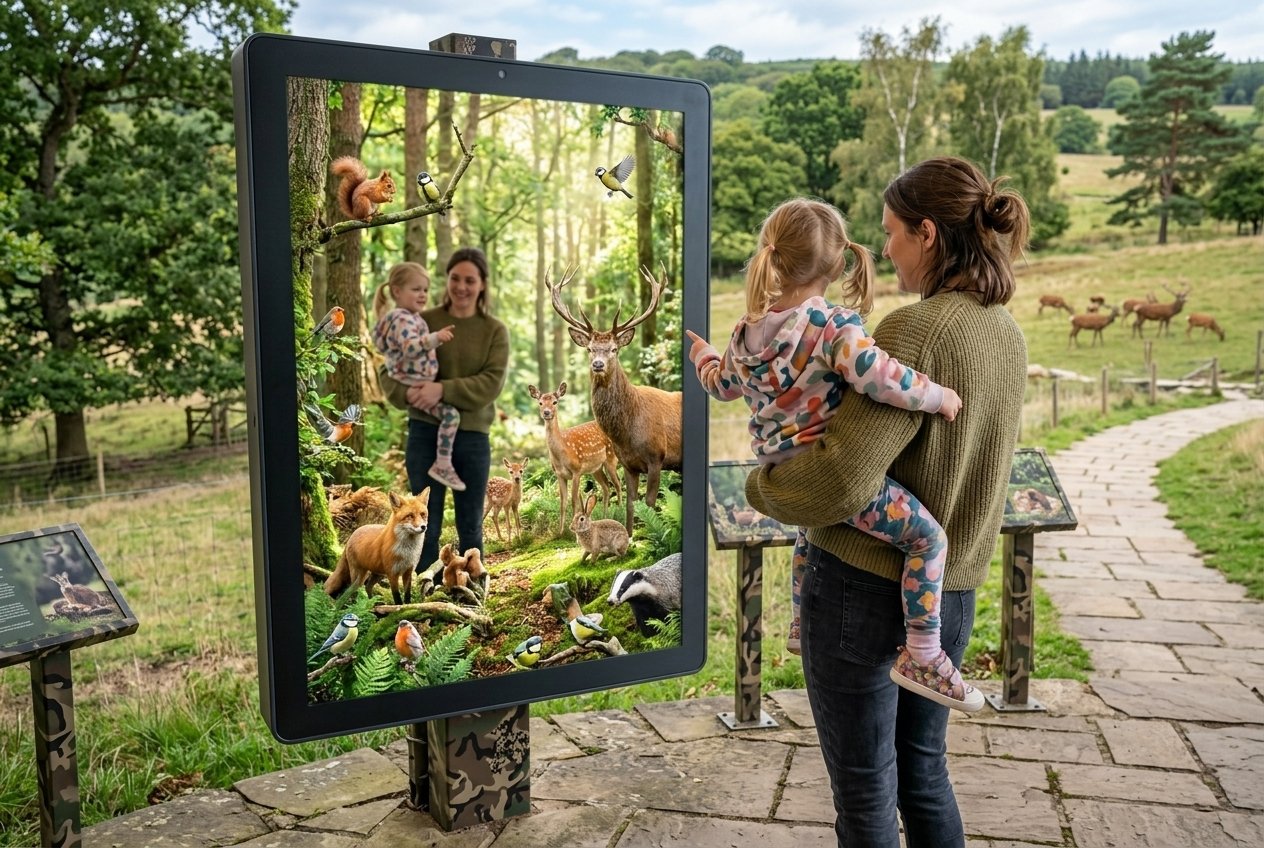
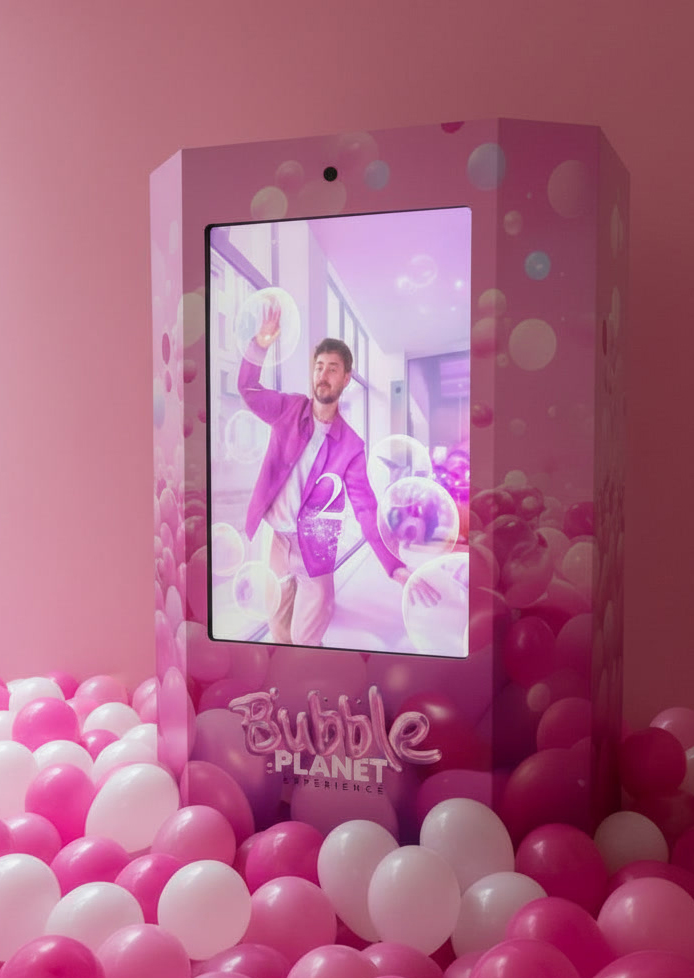
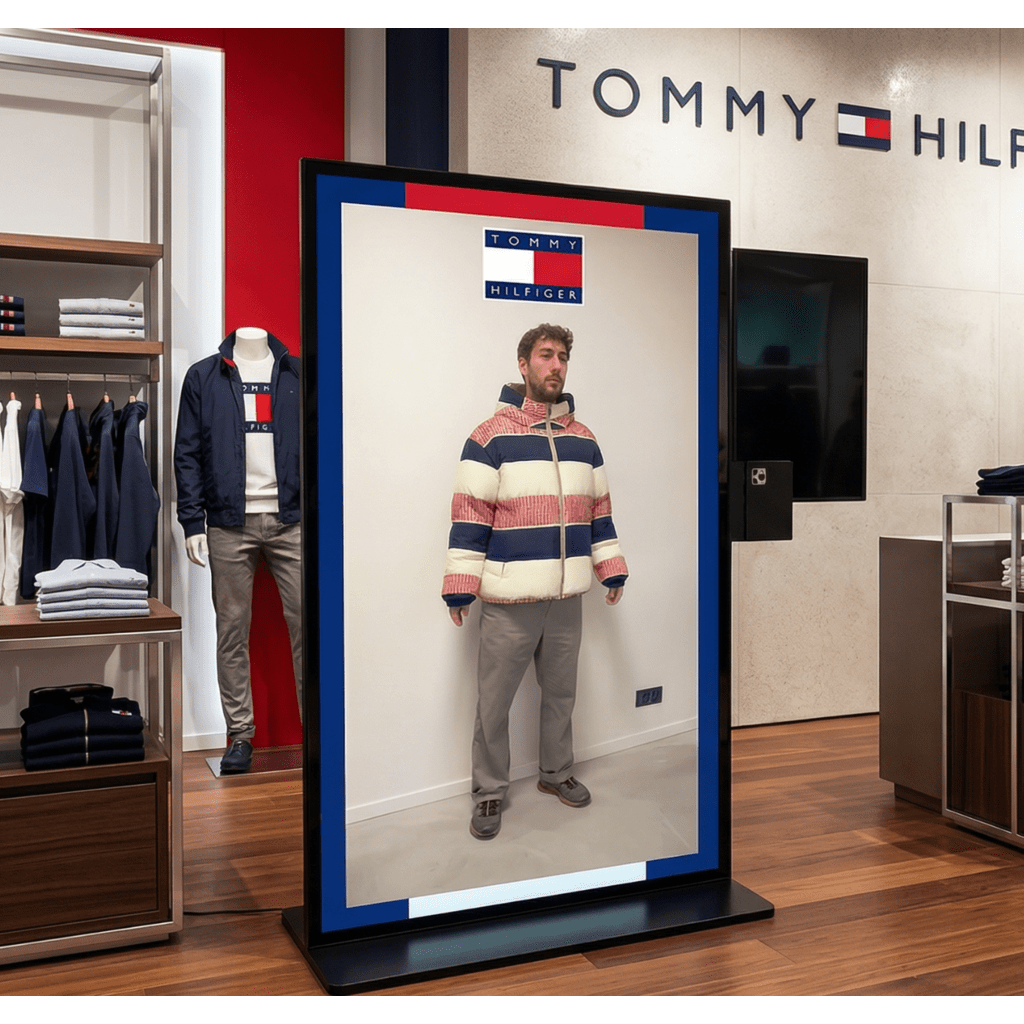
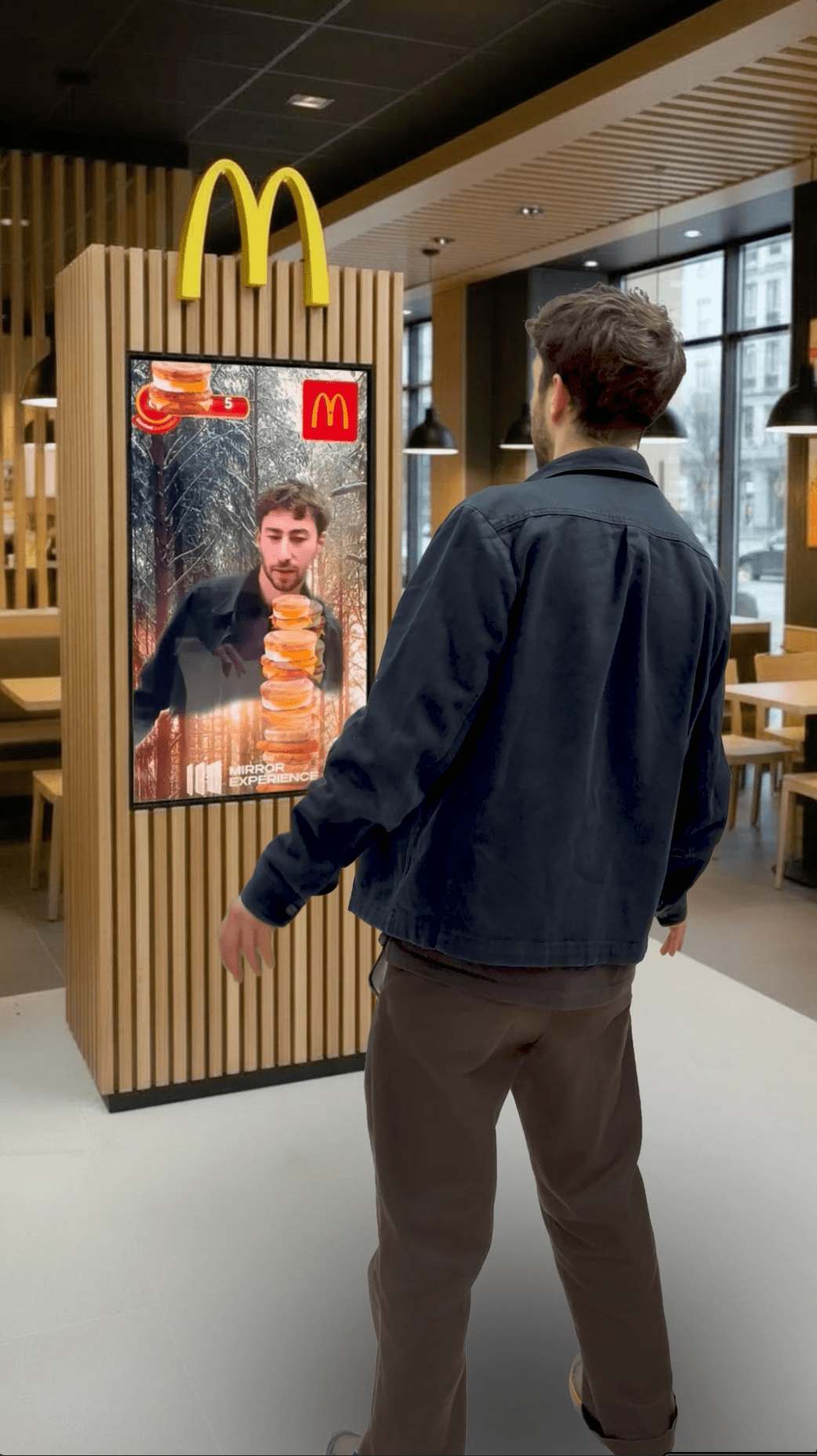
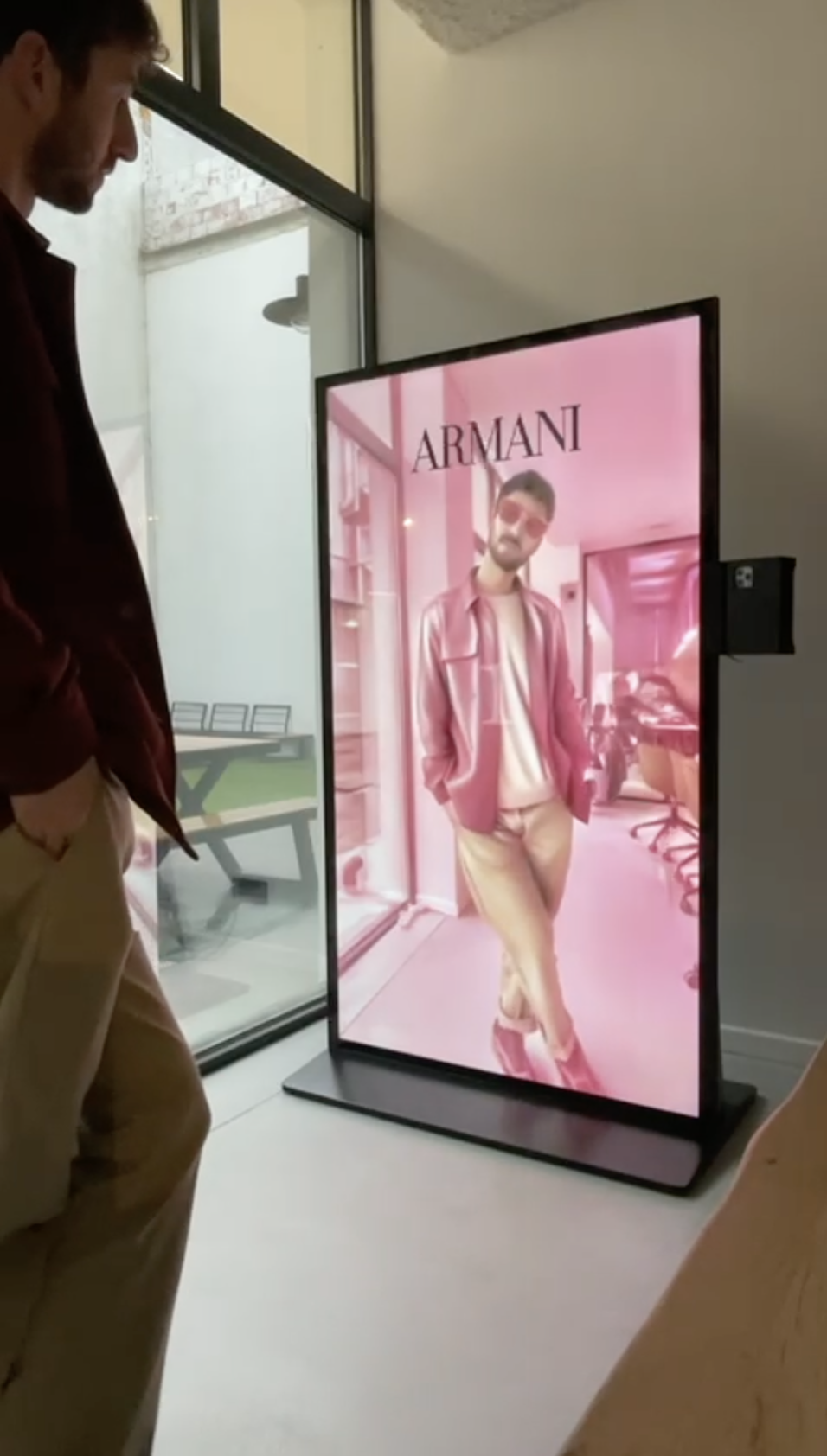
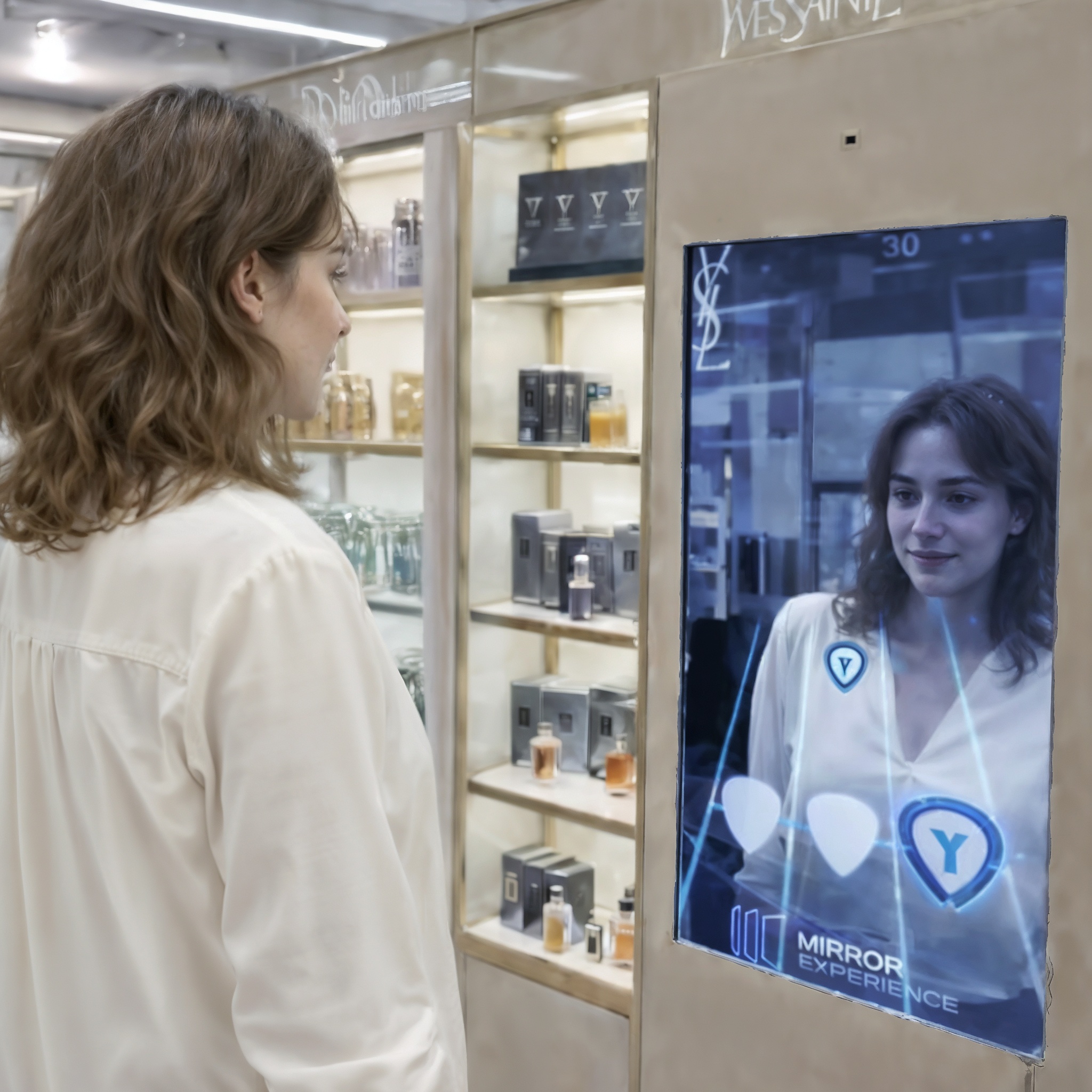
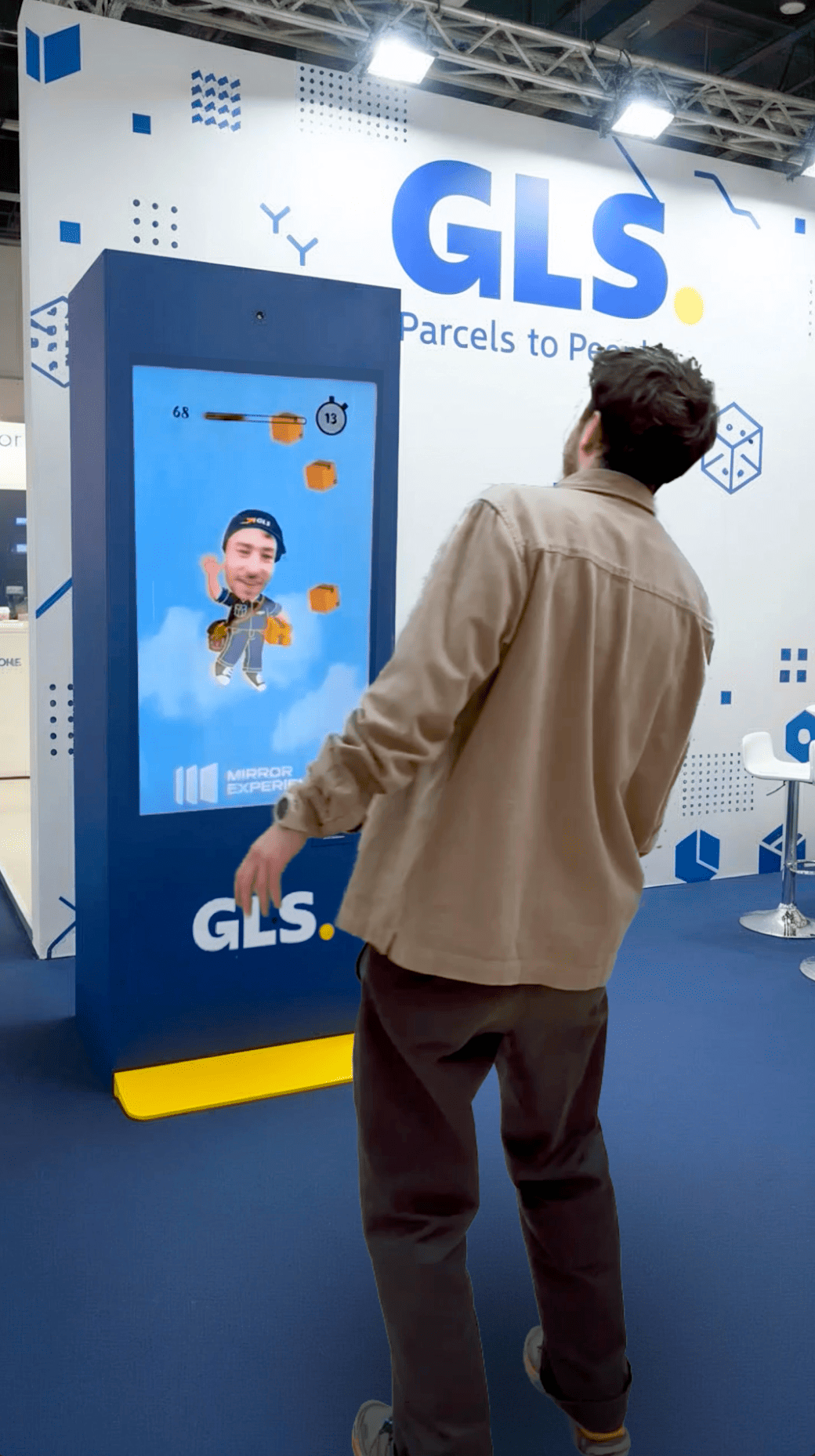
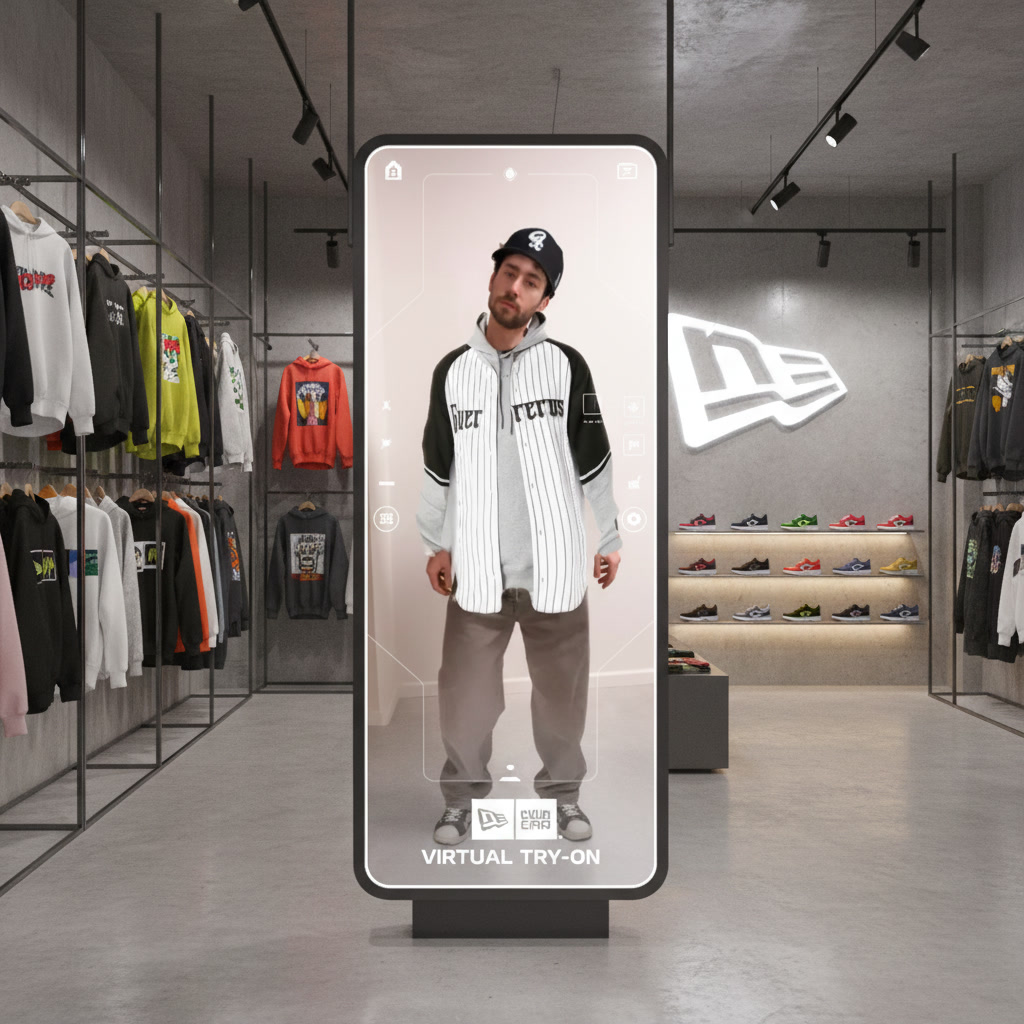
Four things, and they tend to be bought by different people. AR mirrors for retail and events. AI mirrors for beauty counters and fragrance launches. Virtual dressing rooms for fashion, with a QR handoff so the visitor keeps the photos. And interactive walls for museums and exhibition spaces.
Screen sizes run from 43 inches to full walls. Permanent builds are integrated into the shopfit. Pop-ups travel in flight cases.
The part nobody warns you about: importing into the UK
Hardware leaving the EU for a London address crosses a customs border. That means a commercial invoice that matches the goods, a commodity code, an import declaration and 20 percent VAT at the border. Get the paperwork wrong and the crate sits in a bonded warehouse while your launch date walks past.
Then there is compliance. Equipment sold in Great Britain needs UKCA marking, and while CE marking has been accepted for many categories during the transition, the direction of travel is clear and the rules differ by product type. A screen and its playback unit are not the same risk category as a medical device, but the declaration of conformity is still your responsibility as the importer, and we prepare the technical file so that responsibility is a signature rather than a project.
Practically: we quote the delivered duty paid price where we can, we name the customs broker, and we build the clearance time into the schedule instead of pretending it does not exist. Two to four weeks is still achievable. It stops being achievable when the invoice is written the night before the truck leaves.
Power, plugs and the small things that stop a build
UK sockets are Type G, 230 volts. Our units ship with the right plug and the right PSU, which sounds trivial until a mirror arrives with a European lead and the opening is tomorrow. The same applies to network cabling, which in older London buildings is often the hardest part of the day.
Loading is the other recurring friction. A West End flagship has a delivery bay, a time slot and a building manager. A Marylebone townhouse has a doorstep and a narrow hall. Oxford Street and Bond Street fall inside restricted zones with their own rules, and we schedule around them rather than arguing with a warden.
London has its own calendar
London Fashion Week in February and September, with the showroom circuit around it. Retail technology events through the year. The museum calendar, which runs on exhibition openings rather than seasons. And the December trading period, when nobody wants a technician in the building and everybody wants the mirror working.
For Faves The Edit, the label Frankie Bridge presented at London Fashion Week, we ran 26 pieces through the mirror across the weekend. The interesting problem was not the try-on itself, it was throughput: a queue in front of a mirror is a bad look in a showroom, and the QR handoff exists so the visit ends in fifteen seconds rather than two minutes.
Who buys this in London
Fashion and beauty brands with a flagship or a pop-up. Department stores testing a concept on one floor. Museums and cultural venues adding an interactive room. Event and brand experience agencies who need a technical partner rather than a screen rental. Retail groups who want one supplier for technology and installation.
We do not do weddings, private parties or consumer rentals.
Cost and timeline
| Item | Range |
|---|---|
| Software licence, our real-time AI stack | from 8,000 EUR |
| Hardware, screen size and structure dependent | +1,000 to +5,000 EUR |
| Complete permanent installation, 75 inch vertical, transport and commissioning | around 20,000 EUR |
| Brief to live, customs clearance included | 2 to 4 weeks |
Prices are in euros because that is how we invoice. UK VAT and duty are added at the border and are not part of the figure above. We would rather show you the two lines than hide one of them.
See the mirror running
Both clips are our own hardware and our own software, filmed on site. No render, no post-production overlay.
Questions from London clients
Do you have a UK entity? The contract is with our Belgian company. For larger rollouts we can involve a UK partner for the import and the on-site work, and we tell you which route we recommend before you sign.
Is the interface in English? Yes, and bilingual where the store needs it. Voice prompts are localised too.
Does the AI need the cloud? No. It runs on the machine beside the screen. Connectivity is for updates and analytics. In a basement stockroom with bad wifi, that difference decides whether the project works.
Can you install out of hours? Yes. Most West End installs happen between the close and the next morning. It costs more and it is usually the only option.
What happens if the screen fails during a launch? We monitor the software remotely and keep spares for the screen and the playback unit. Response terms are in the contract, not in a promise.
Talk to us about your London project
Send the address, the room and the date. We will tell you what the import will take, what the building will allow, and whether a permanent build or a pop-up makes more sense. The pilot is free.