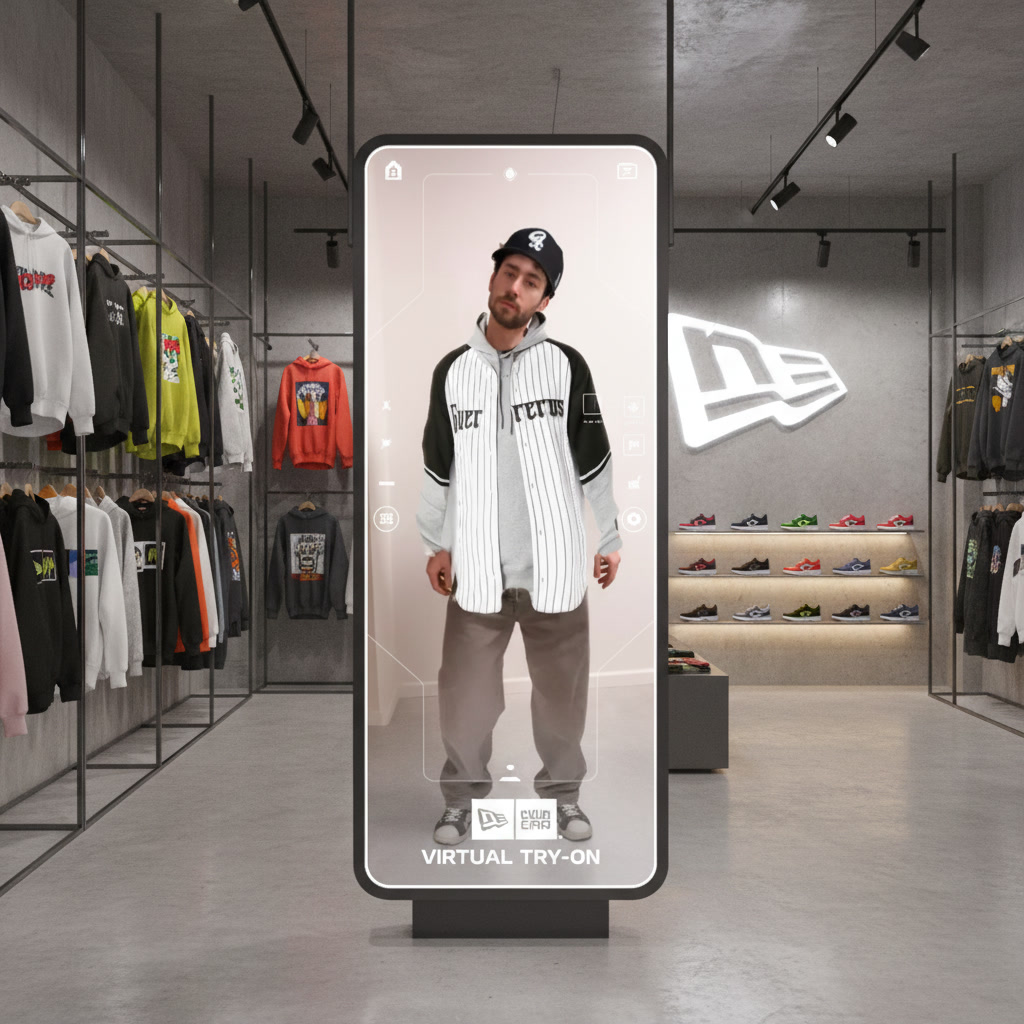
AI mirror installation in Brussels and Antwerp
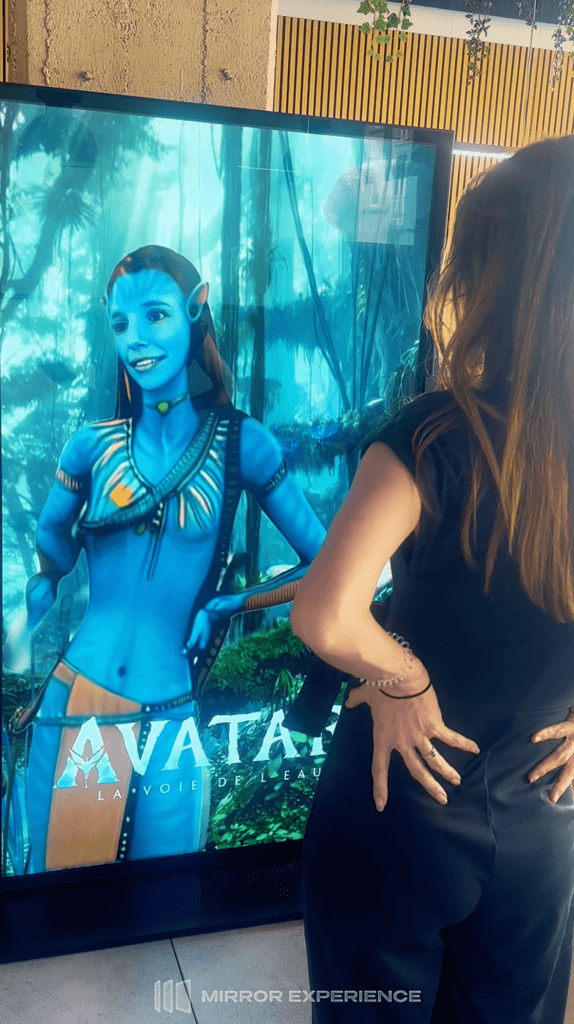
We worked with Kinepolis on the launch of The Hunger Games: Sunrise on the Reaping, in Belgian cinemas from 18 November 2026. Belgium is our home market, which changes the arithmetic: no customs, no import certification, no shipping crate crossing a border, and a crew that can be on site the same week.
The short version. Real-time AI mirrors, trilingual in Dutch, French and English. Software from 8,000 EUR, hardware 1,000 to 5,000 EUR on top. No import in Belgium. Free pilot, two to four weeks from brief to live.
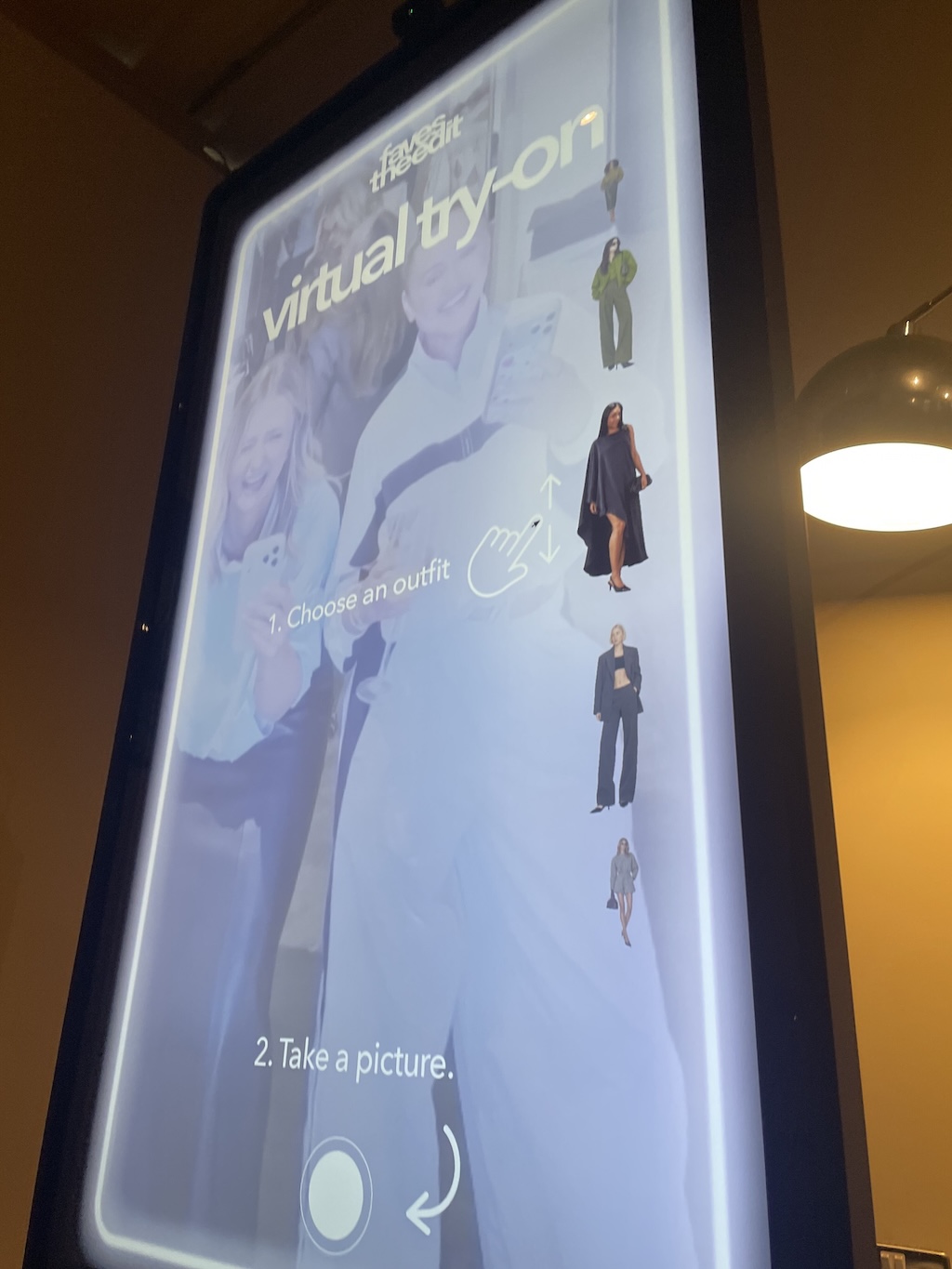
What we install in Brussels and Antwerp
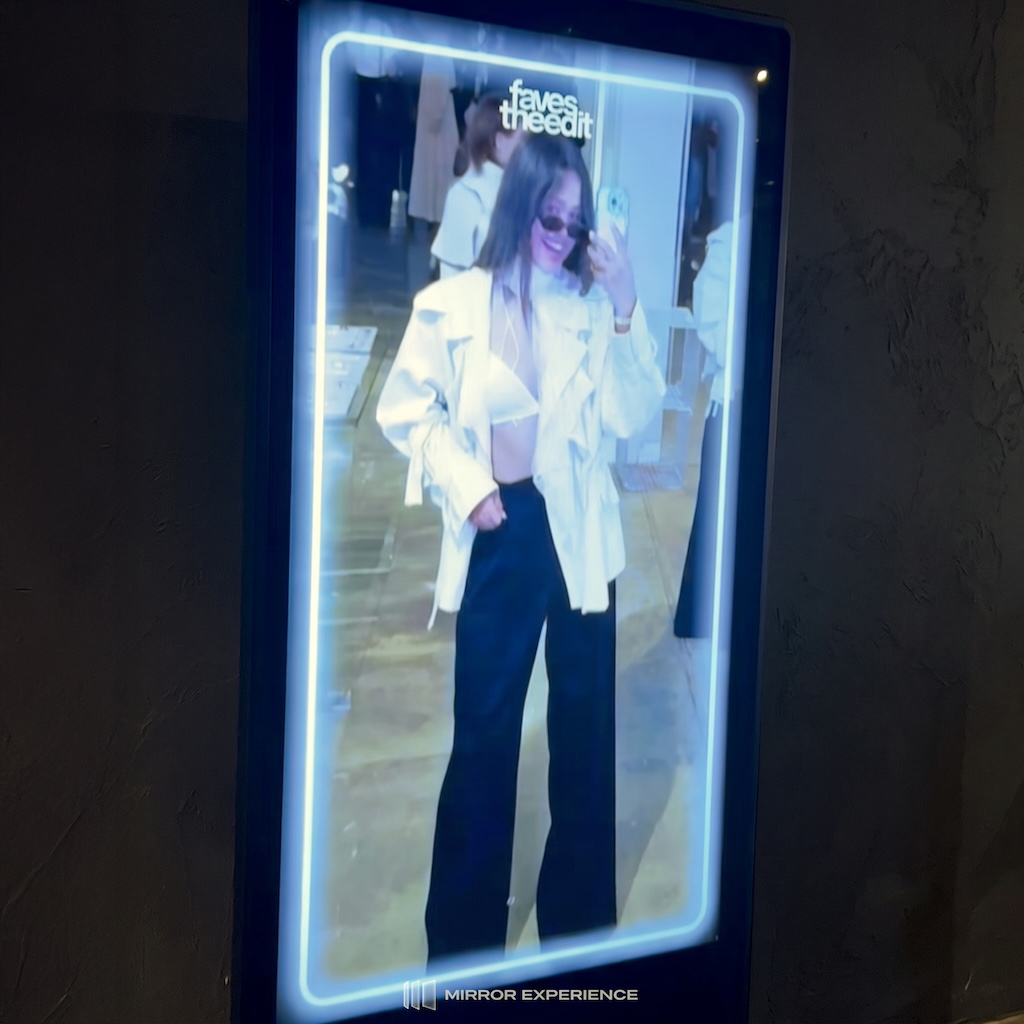
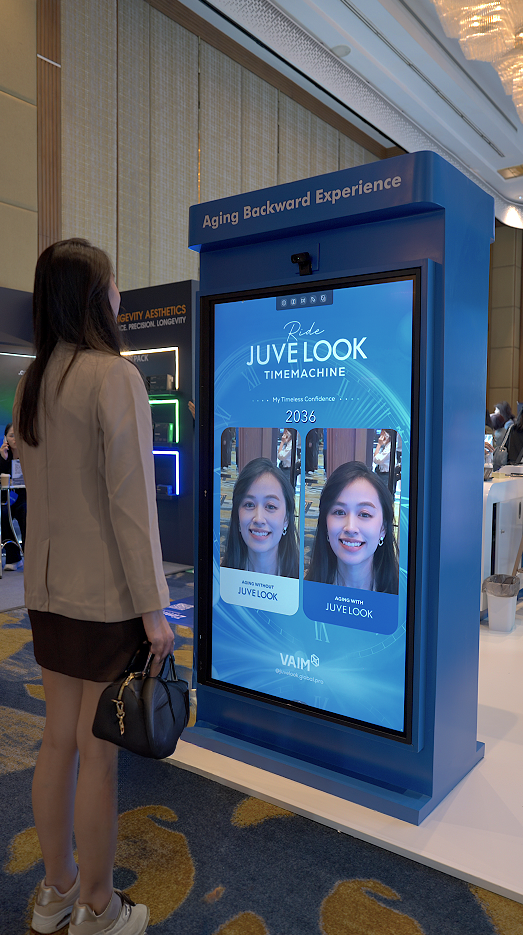
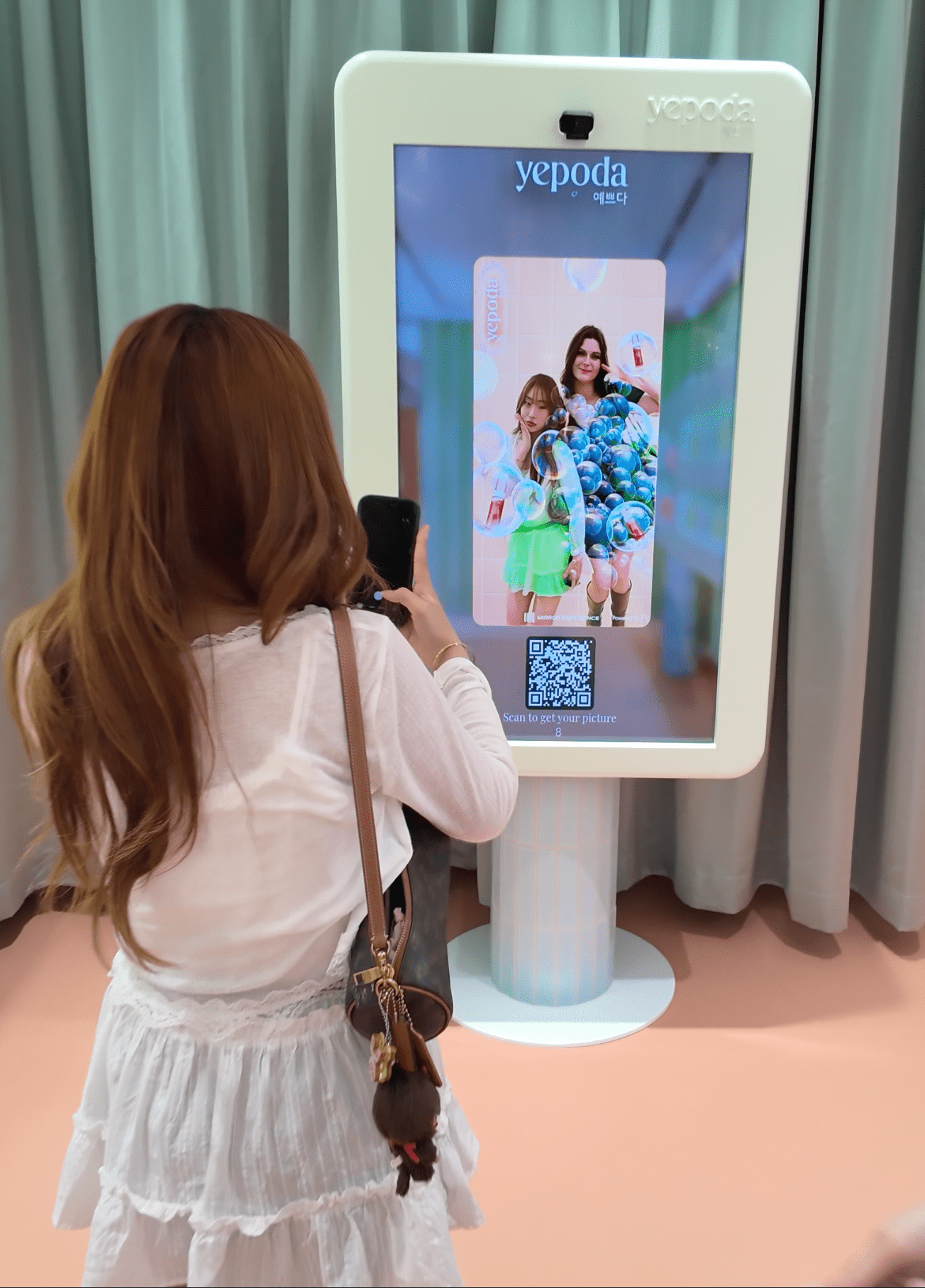
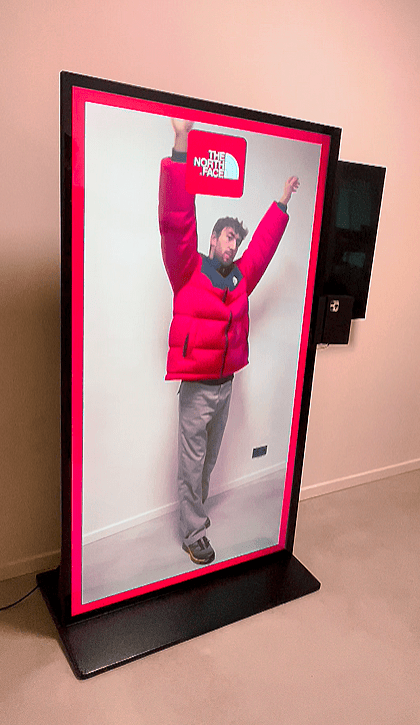
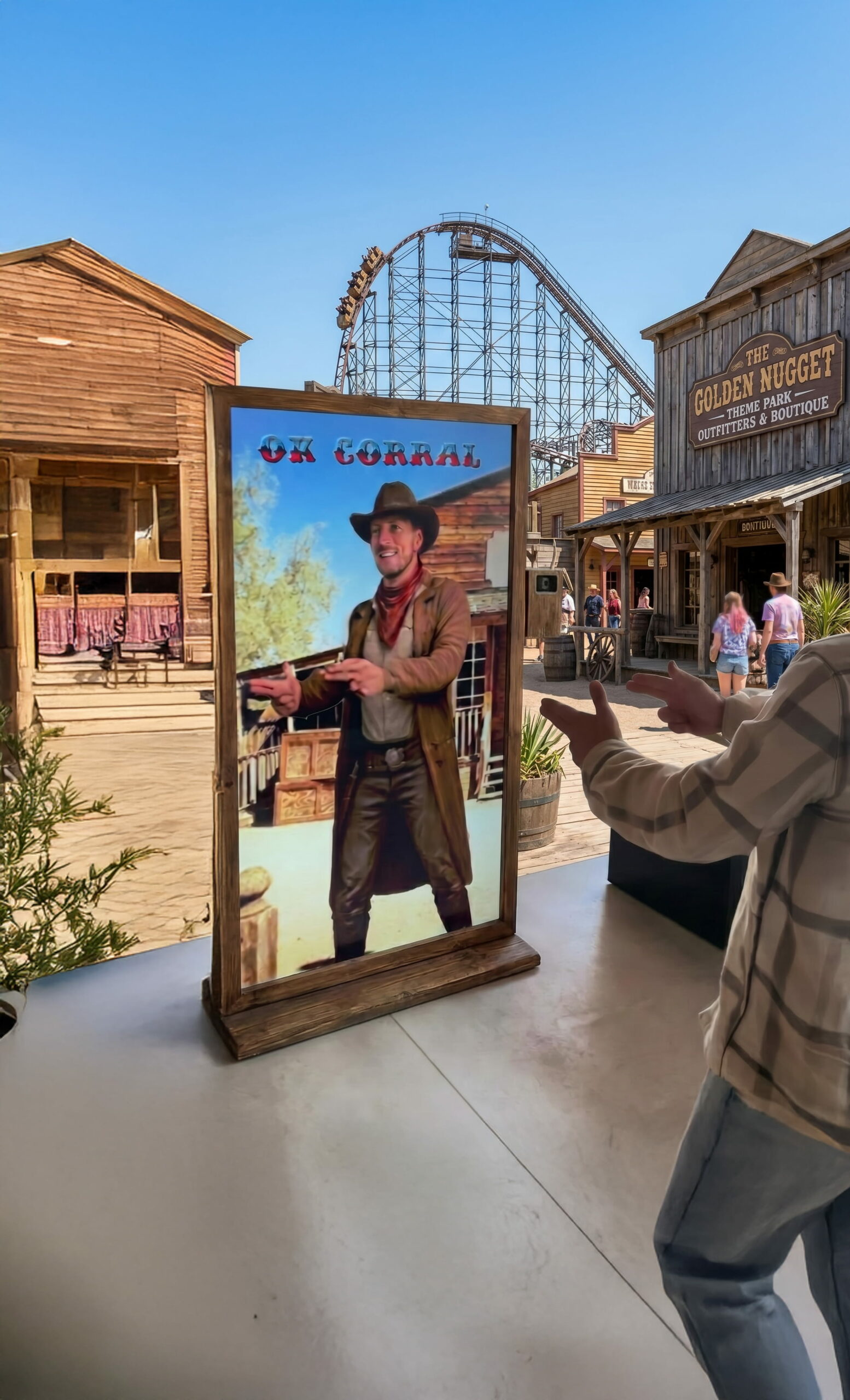
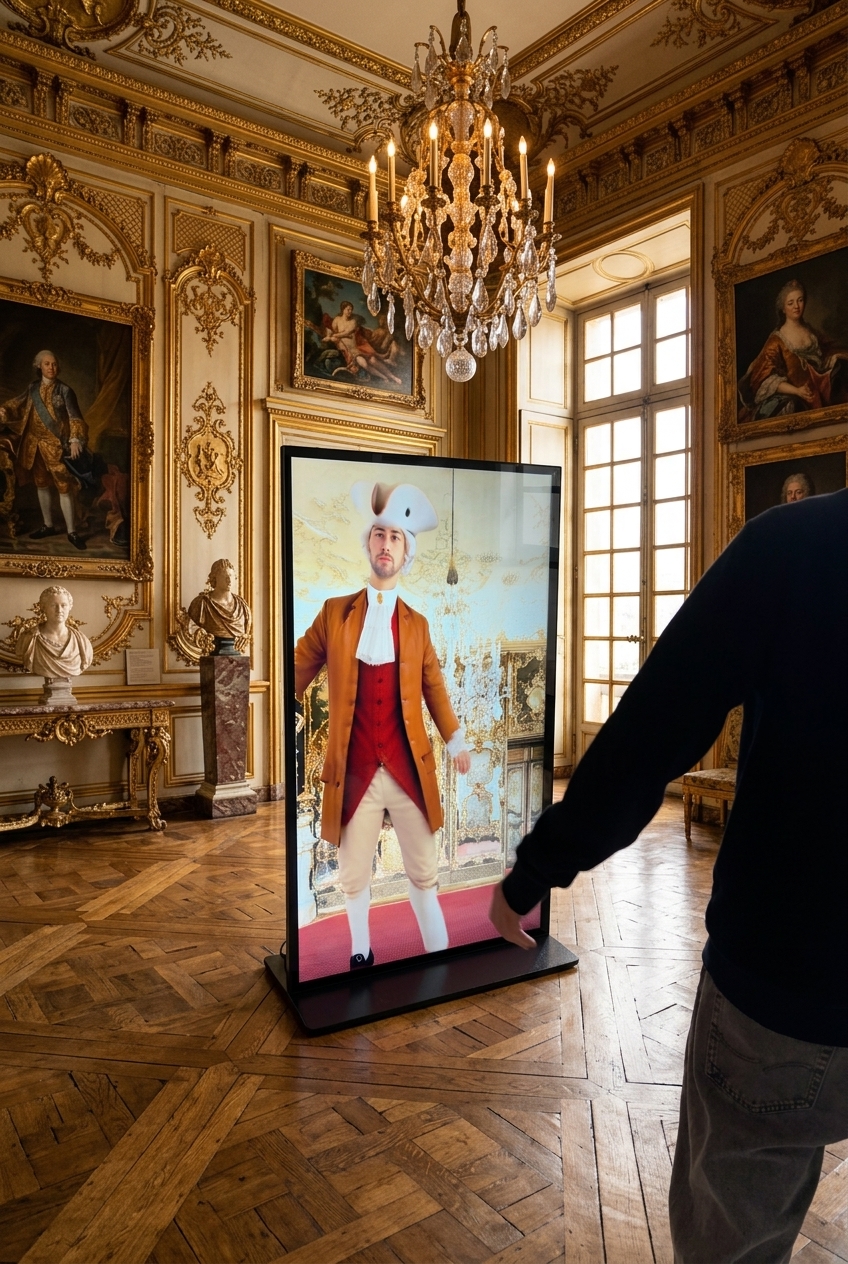
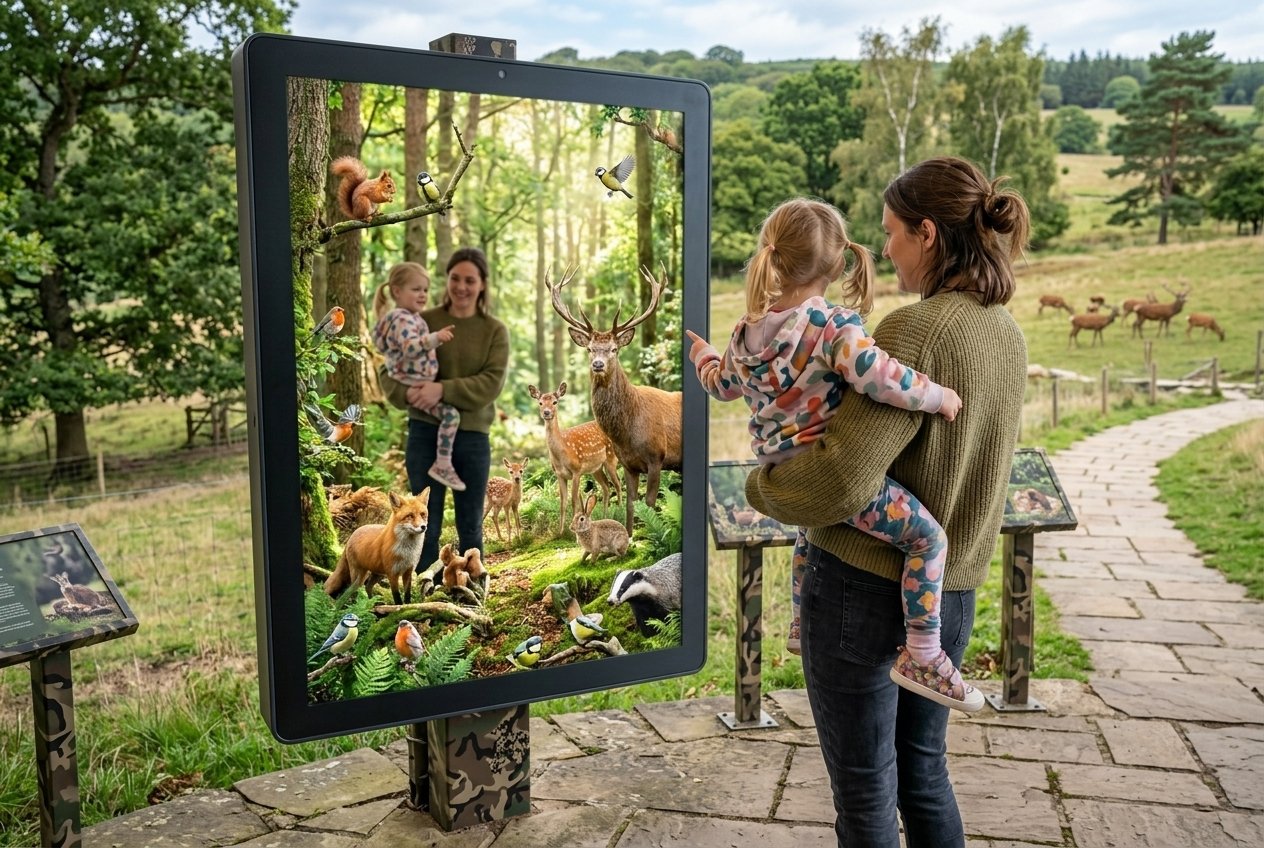
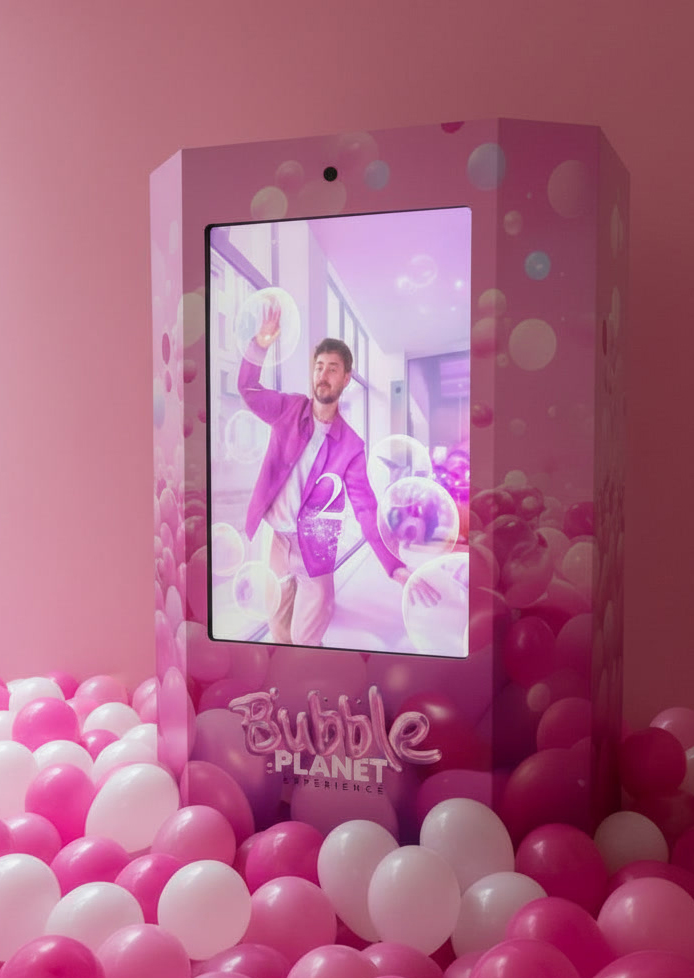
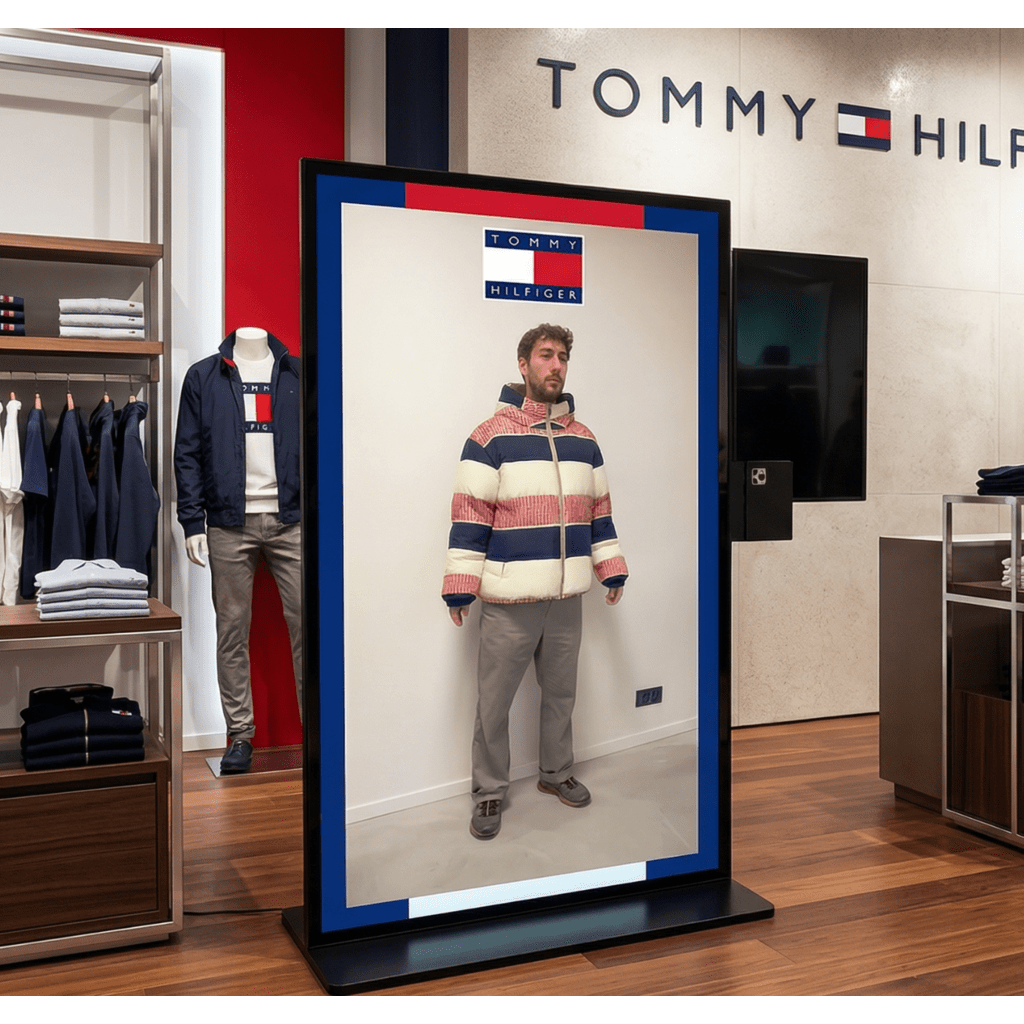
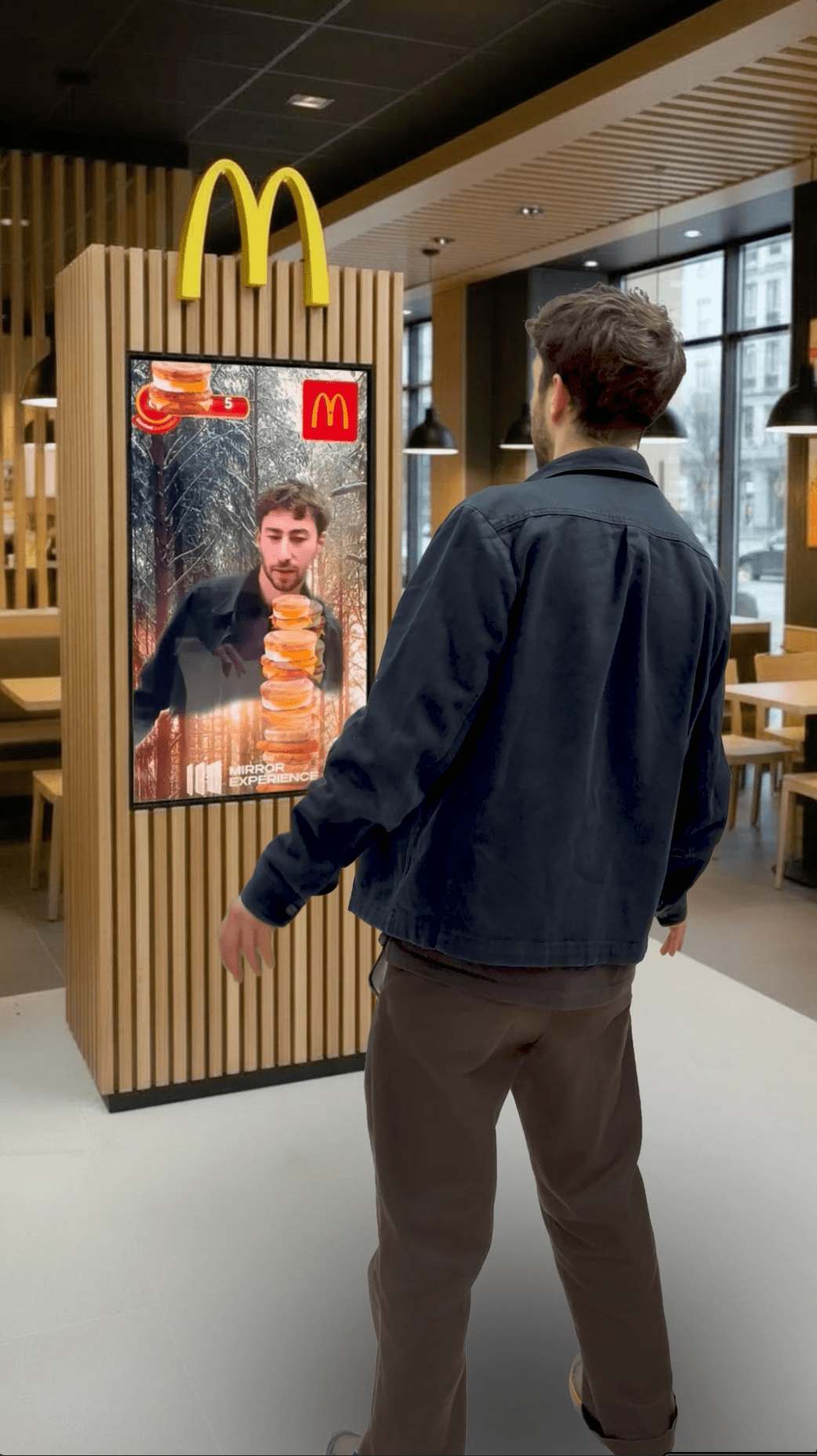
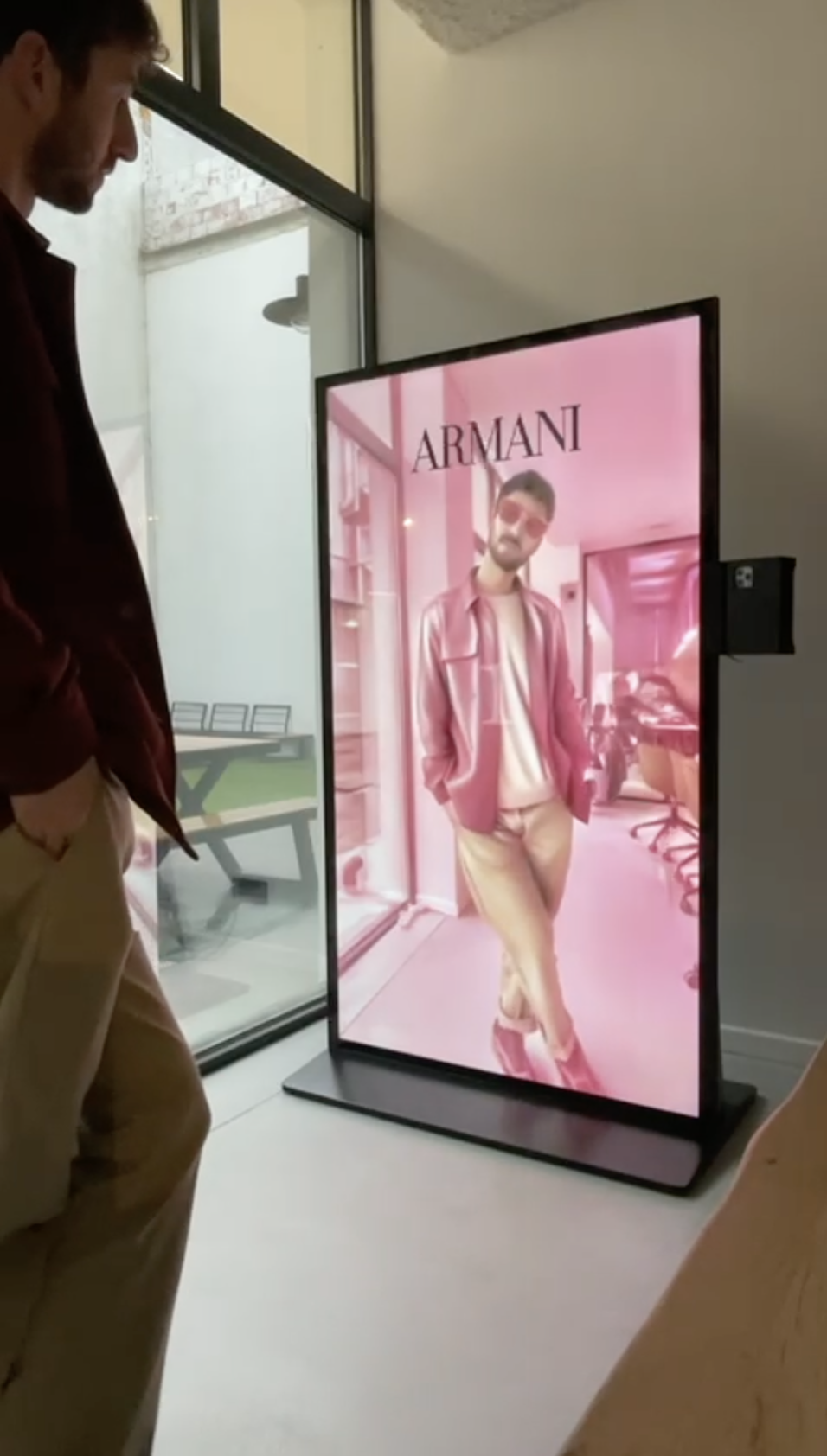
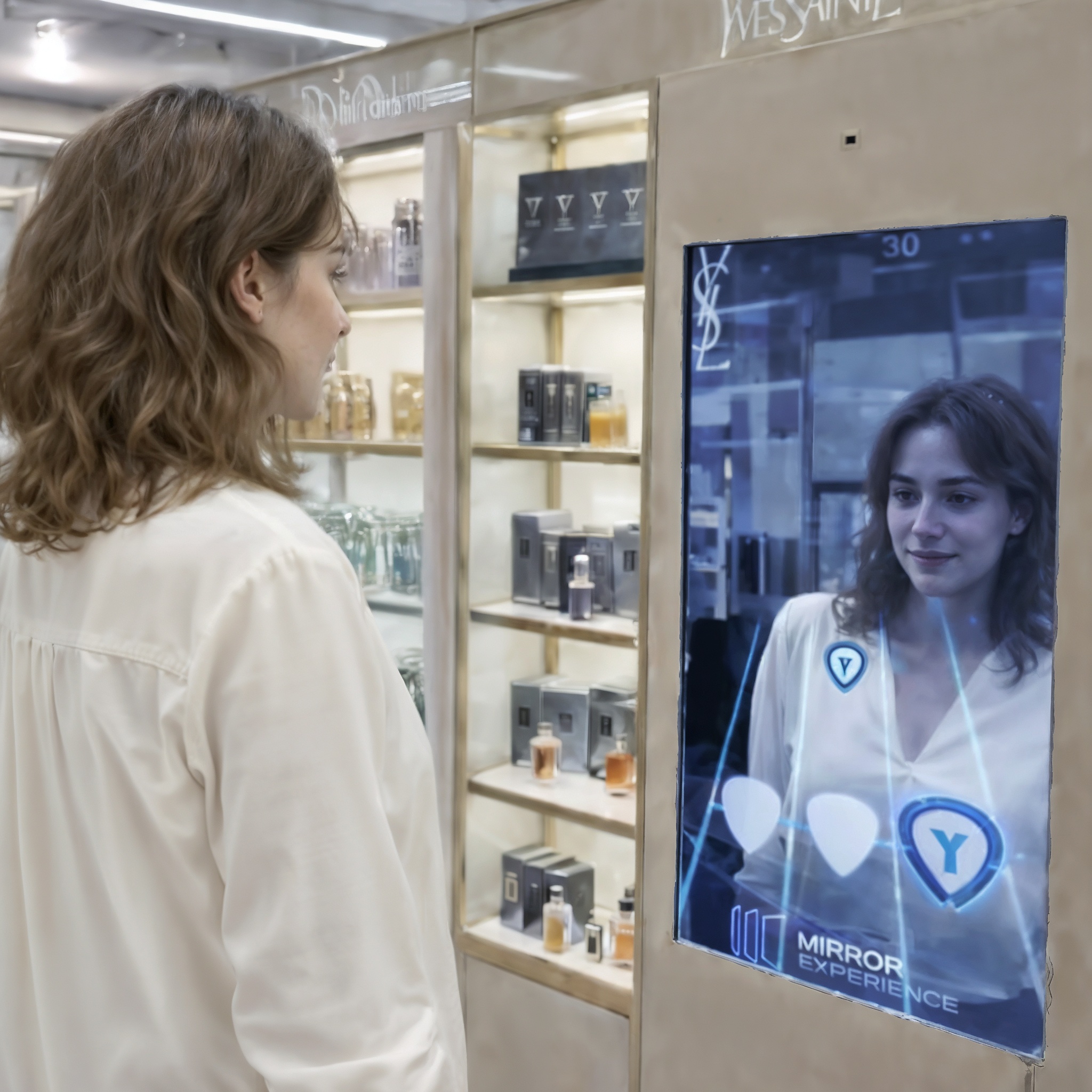
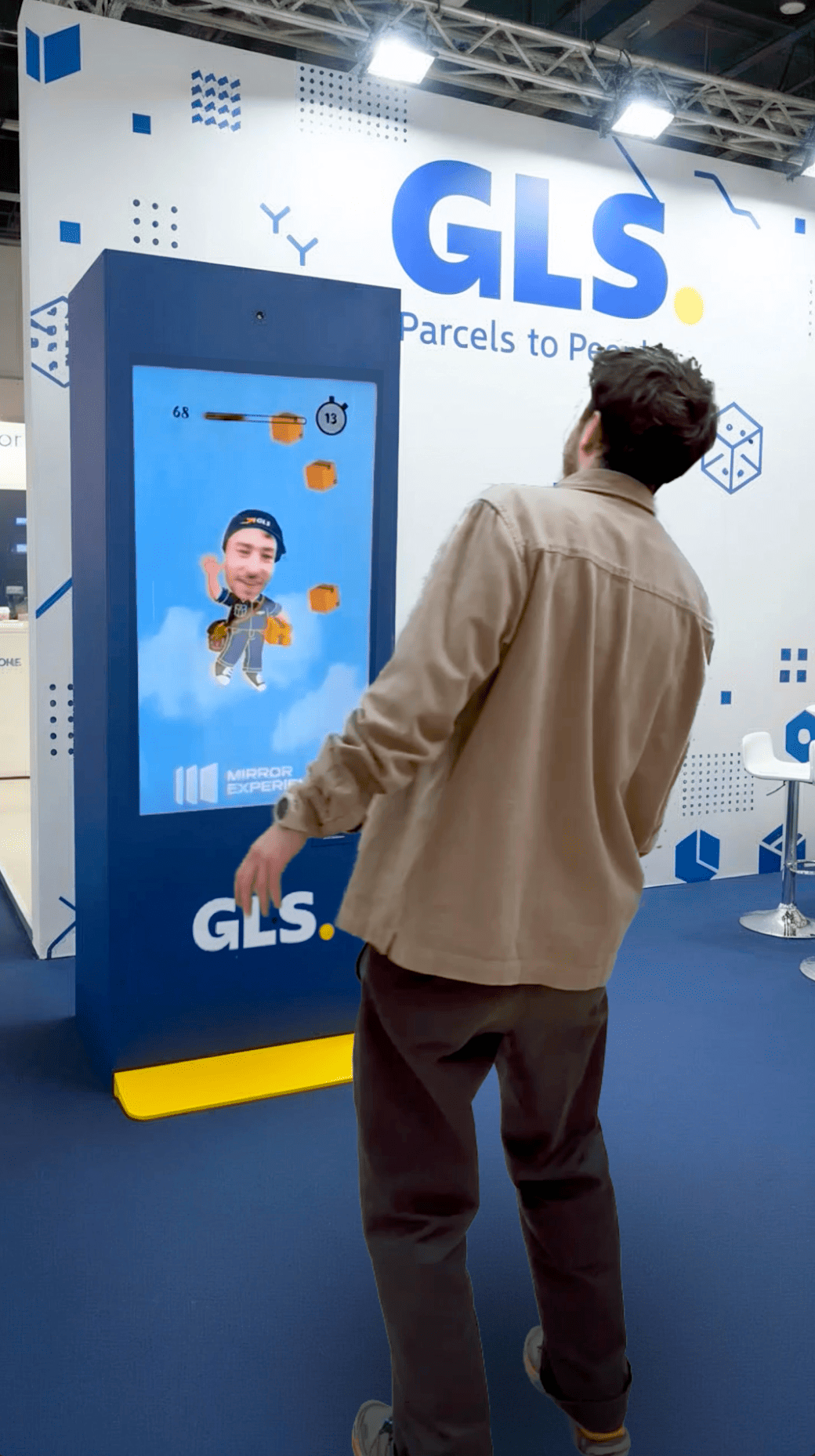
AR mirrors for cinema, which is the Kinepolis case: a release is a fixed date and the marketing has to land on it. AI mirrors for retail and events. Virtual try-on for fashion retail. And AR photo booths for launches where the print travels home.
A cinema release is the least forgiving deadline there is
A film opens on a date. Not a week later, not when the hardware clears. Sunrise on the Reaping reached Belgian screens on 18 November 2026, distributed by Kinepolis Film Distribution, and an activation tied to that release either works on the opening weekend or it does not happen at all. The opening weekend is when the audience is largest and the press is watching.
That shapes the project more than the technology does. Content is finished and tested before the unit leaves the workshop, because there is no quiet hour in a cinema lobby to build anything in. Installation happens around screening schedules, which in a busy multiplex means early morning. And the unit has to survive a lobby: crowds, popcorn, drinks, children, and a queue that does not care about your enclosure.
Multiplex groups also think in sites, not in single installations. One cinema is a test, five is a campaign. We quote a rollout separately from a first build because the second site costs less than the first, and pretending otherwise overprices the decision.
Two languages in Brussels, one more in the rest of the country
Belgium is small and administratively complicated, and a public-facing screen sits inside that. Brussels is officially bilingual, so Dutch and French both have to be present and neither can look like the afterthought. In Flanders, Kinepolis is headquartered in Ghent and Dutch leads. In the German-speaking communities in the east, German comes first.
The practical answer is a build that ships with all three, ordered per site. It is not a translation layer bolted on: the prompts, the generated voice and the print layout each exist in each language, and the Dutch is written as Dutch rather than converted from French.
The home market advantage, stated plainly
Most of what makes an installation expensive is not the mirror. It is the border. Customs classification, electrical certification for the destination country, freight, and the lead time of all three. In Belgium none of that applies to us. The unit is built and configured here, the crew speaks the language of the venue, and a technician can be on site in Antwerp or Brussels within a day rather than a week.
Electrical supply is 230 volts on Type C and E sockets, standard for continental Europe. Venue access is the variable: a cinema on the Boulevard du Centenaire and a shop on the Meir have very different loading arrangements, and both are easier than a Manhattan freight elevator. We survey the access before shipping, as we do everywhere.
Who buys this in Belgium
Cinema groups running a release campaign. Retail on the Rue Neuve, the Meir in Antwerp, or in Docks Bruxsel. Brands launching in the Benelux who need one installation that works in three languages. Event producers at Tour & Taxis or in the halls around the Atomium. Museums and cultural institutions, including the ones with a European audience that expects to be addressed in their own language.
B2B only. No weddings, no private parties, no consumer rentals.
Cost and timeline
| Item | Range |
|---|---|
| Software licence, our real-time AI stack | from 8,000 EUR |
| Hardware, screen size and structure dependent | +1,000 to +5,000 EUR |
| Complete permanent installation, 75 inch vertical, transport and commissioning | around 20,000 EUR |
| Brief to live | 2 to 4 weeks |
In Belgium there is no import line, no certification project and no customs delay. Two to four weeks is the real build window, not a best case.
See the mirror running
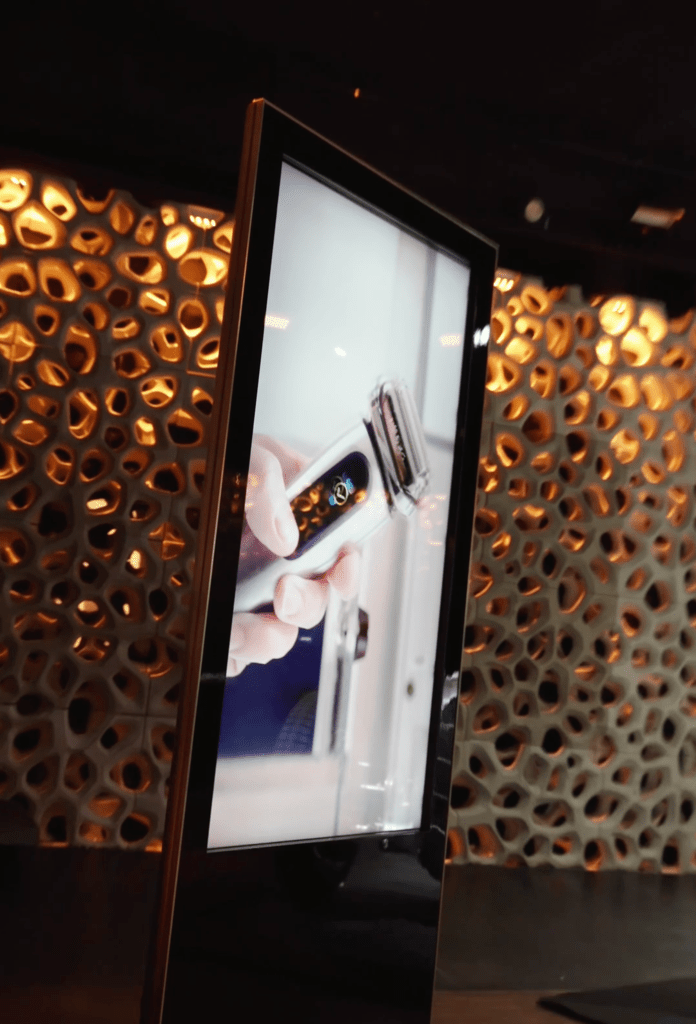
Filmed on site, our own hardware and our own software. No render, no post-production overlay.
Questions from Belgian clients
Can one unit serve a Dutch and a French audience? Yes. The language is selected per installation, and a bilingual site can carry both.
Can you install across several multiplexes? Yes. We do the first site, then roll out. Ask for the rollout price, not a multiple of the first quote.
How tight can a release date be? Contact us six weeks before the opening. Two to four weeks is the build; the rest is content approval, and marketing approvals are what usually slip.
Does it need an internet connection? No. The AI runs locally, which in a cinema lobby is also the more reliable option.
Can the content be swapped after the release window? Yes, remotely. The unit stays useful after the film leaves, which is how a campaign cost becomes a permanent asset.
Let’s talk about your Belgian project
Tell us the venue, the languages and the date. Being in the same country, we can usually come and see the space before quoting. The pilot is free.