AR Mirror for Museums
Interactive displays have become the norm in museums. A 2026 survey of 347 institutions found that 63% now operate interactive touchscreens, up from 28% in 2020 and 41% in 2022 (Hall of Fame Wall survey, 2026). The same study measured dwell time: static displays hold visitors for 2.7 minutes on average, while interactive screens hold them for 8.7 minutes, and multi-user tables for 11.3 minutes. An AR mirror sits at the top of this range, because it turns the visitor into the exhibit.
Key takeaways
- 63% of museums now use interactive displays, and visitors spend three times longer on them than on static cases.
- An AR mirror lets visitors try on historical costumes without touching fragile textiles, which makes it a conservation tool as much as an engagement tool.
- Mirror Experience offers a free pilot so museums can measure the effect on their own visitors before committing.
Why museums install AR mirrors
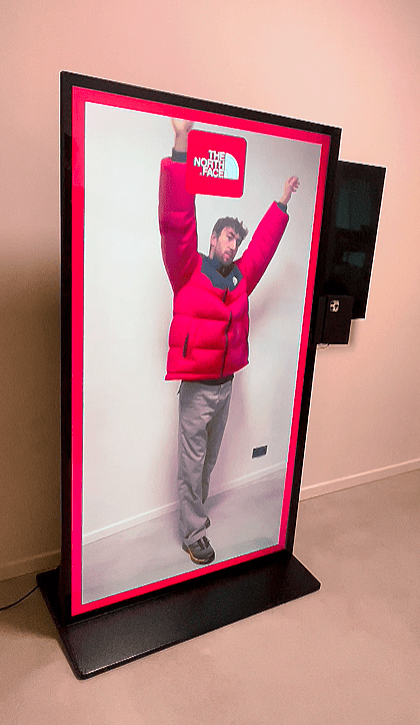
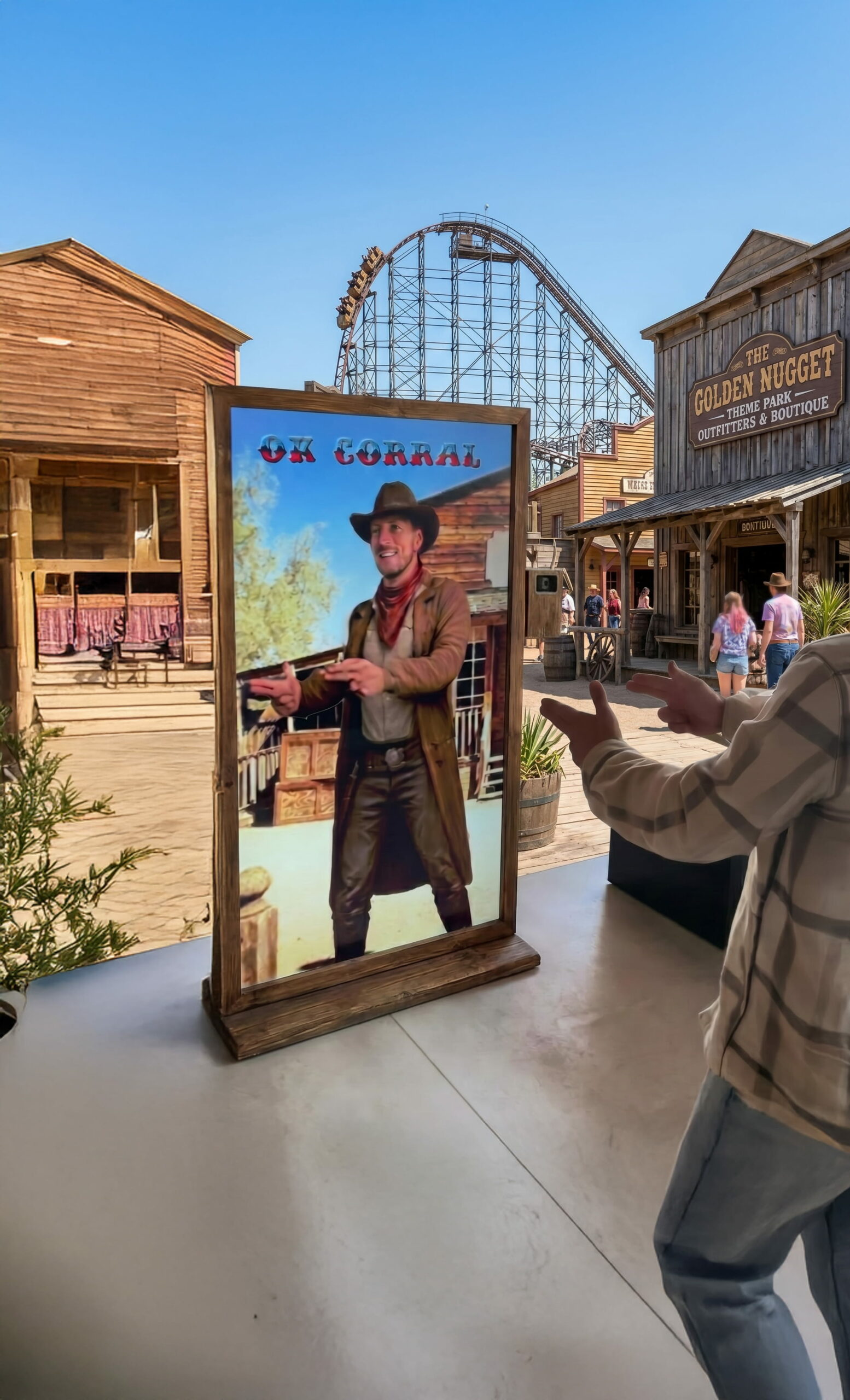
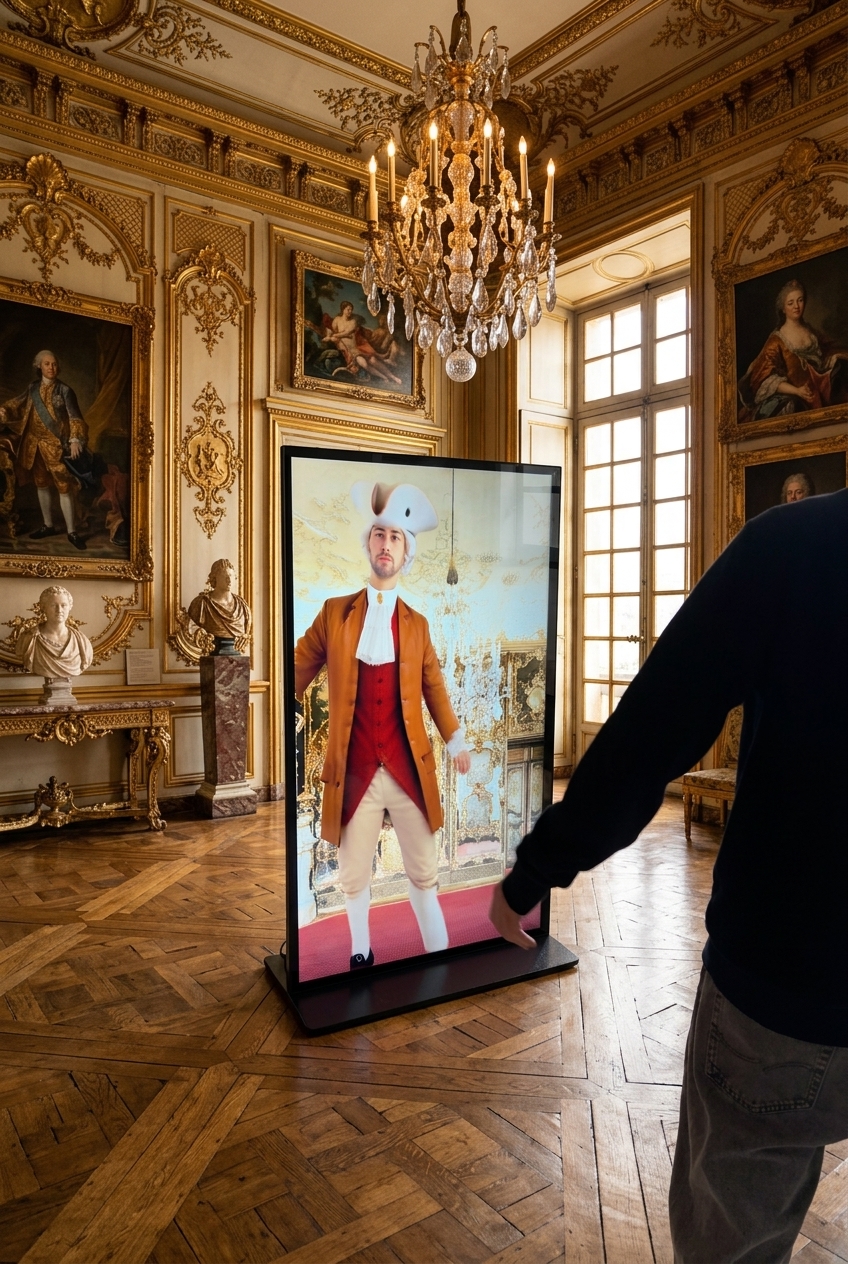
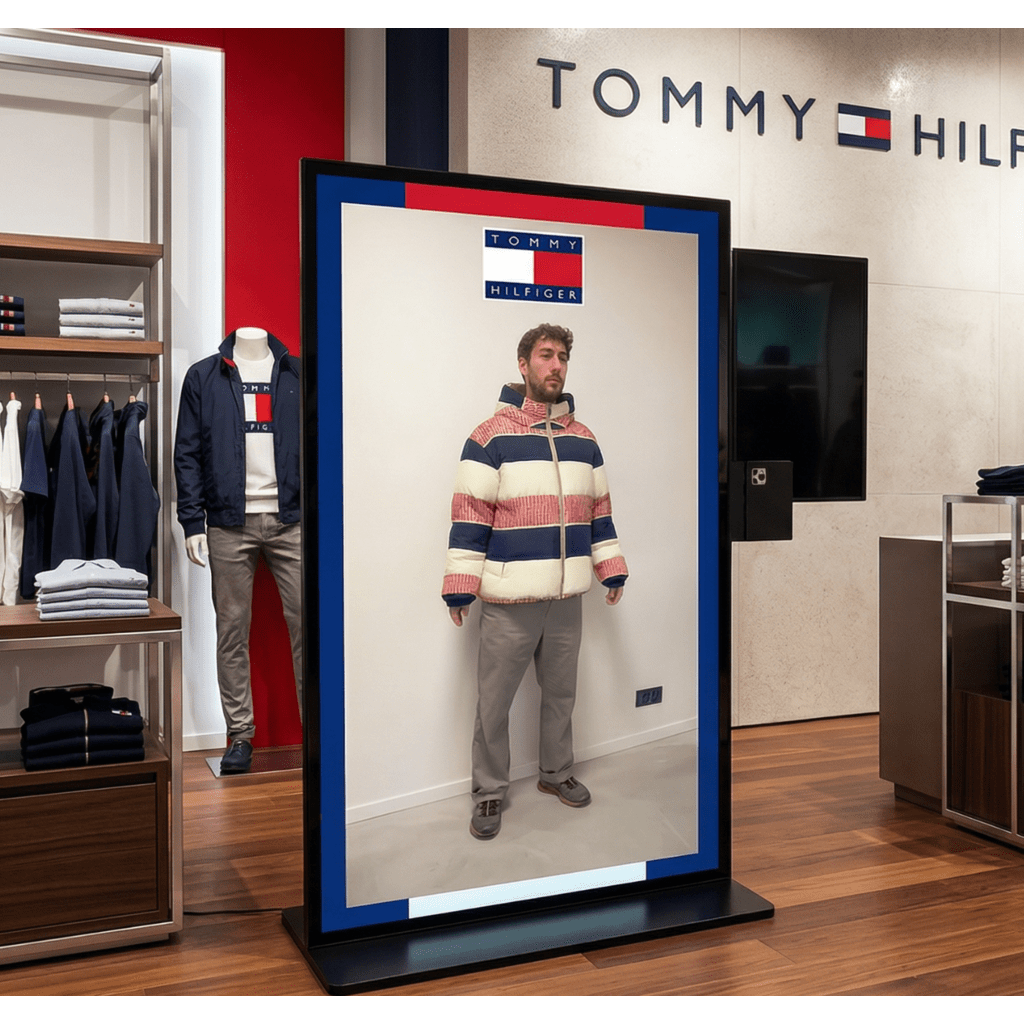
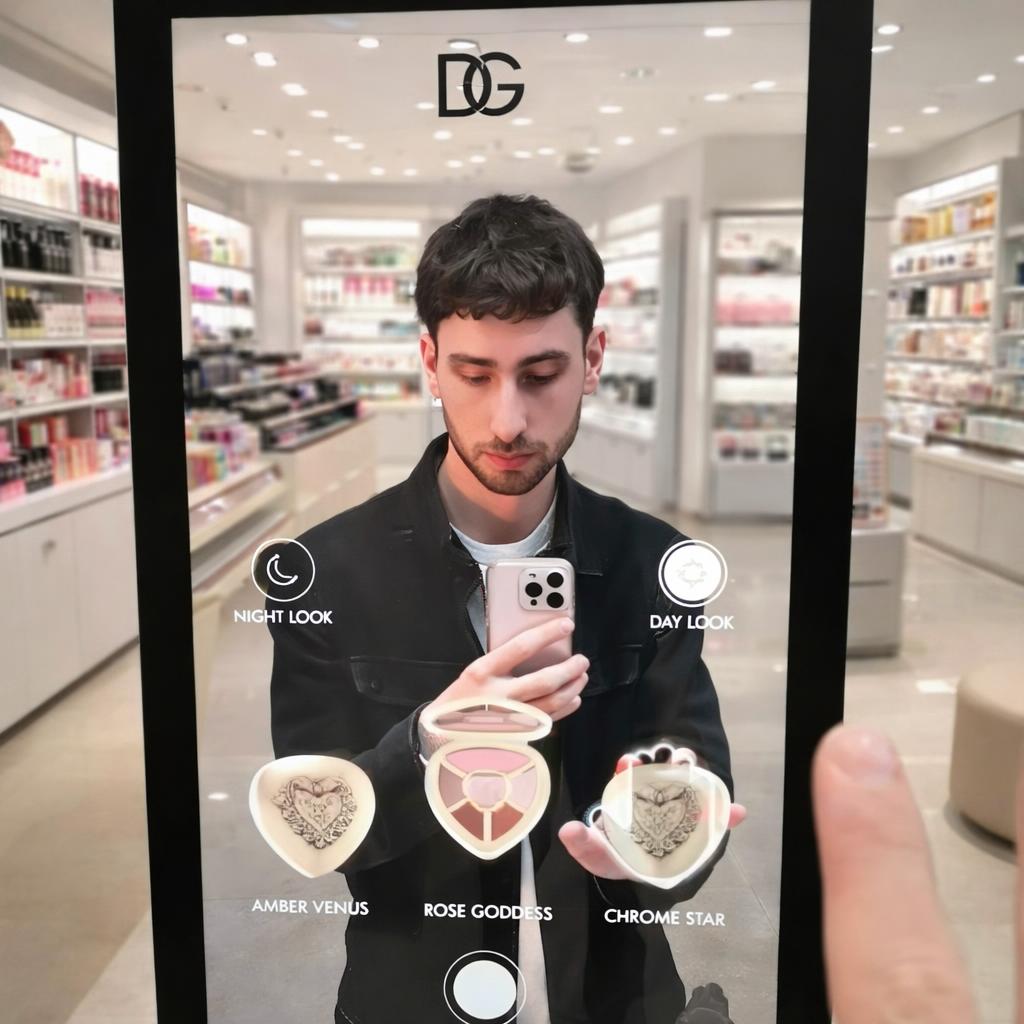
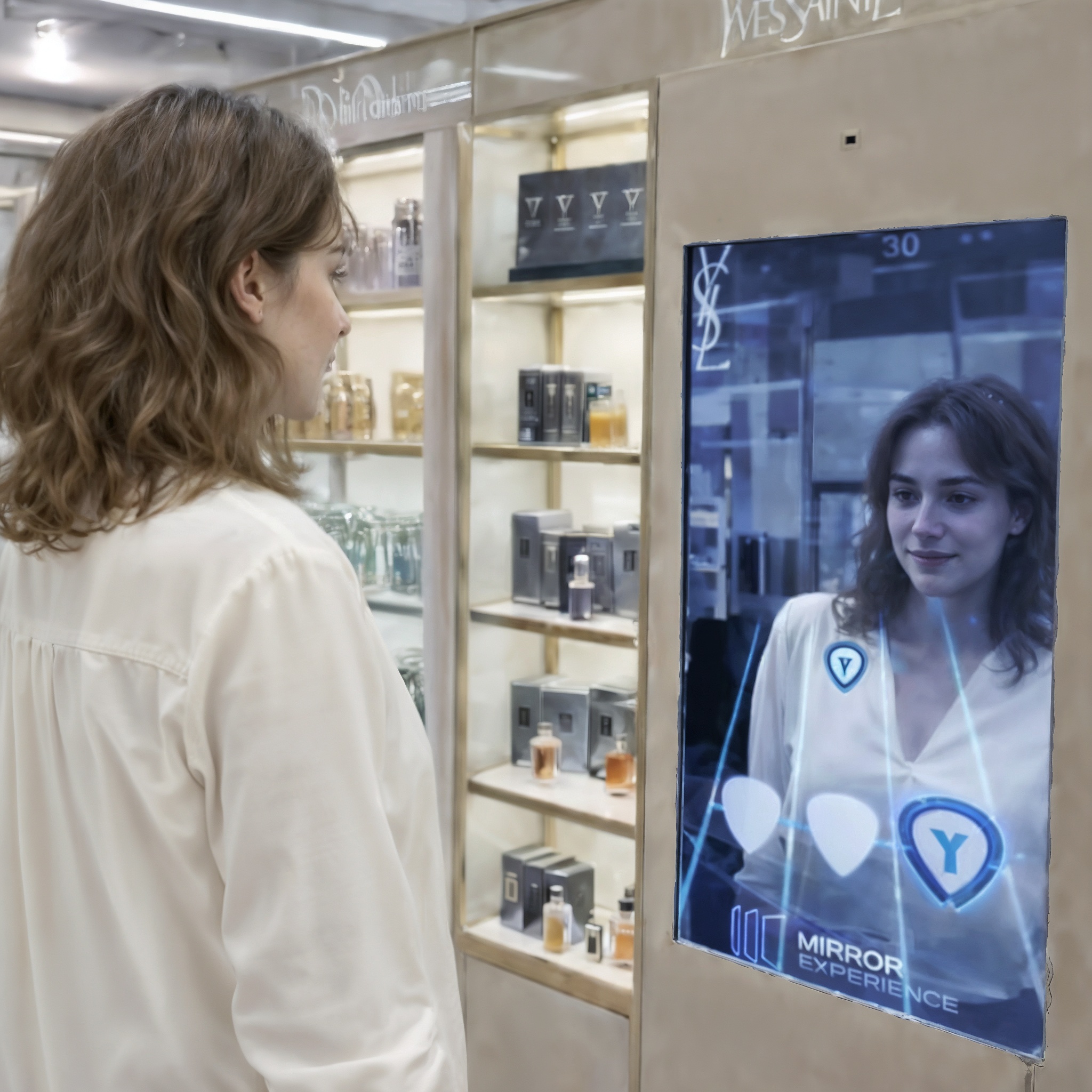
Museums face two pressures at once: attracting younger visitors, and protecting collections that cannot be handled. The AR mirror answers both. Visitors see themselves wearing the collection’s costumes, crowns or armor in real time, at 25 frames per second. Nothing is touched, nothing wears out, and the visitor leaves with a photo they actually want to share.
The engagement data backs this up. Touchscreen AR displays generate an average engagement of 6.8 minutes per session, compared to 1.6 minutes for standard touchscreens and 0.9 minutes for passive digital signage (Hall of Fame Wall AR benchmark, 2026). In plain terms: an AR mirror keeps visitors in the room, which is the first step toward longer visits and stronger word of mouth.
Costume try-on without the risks
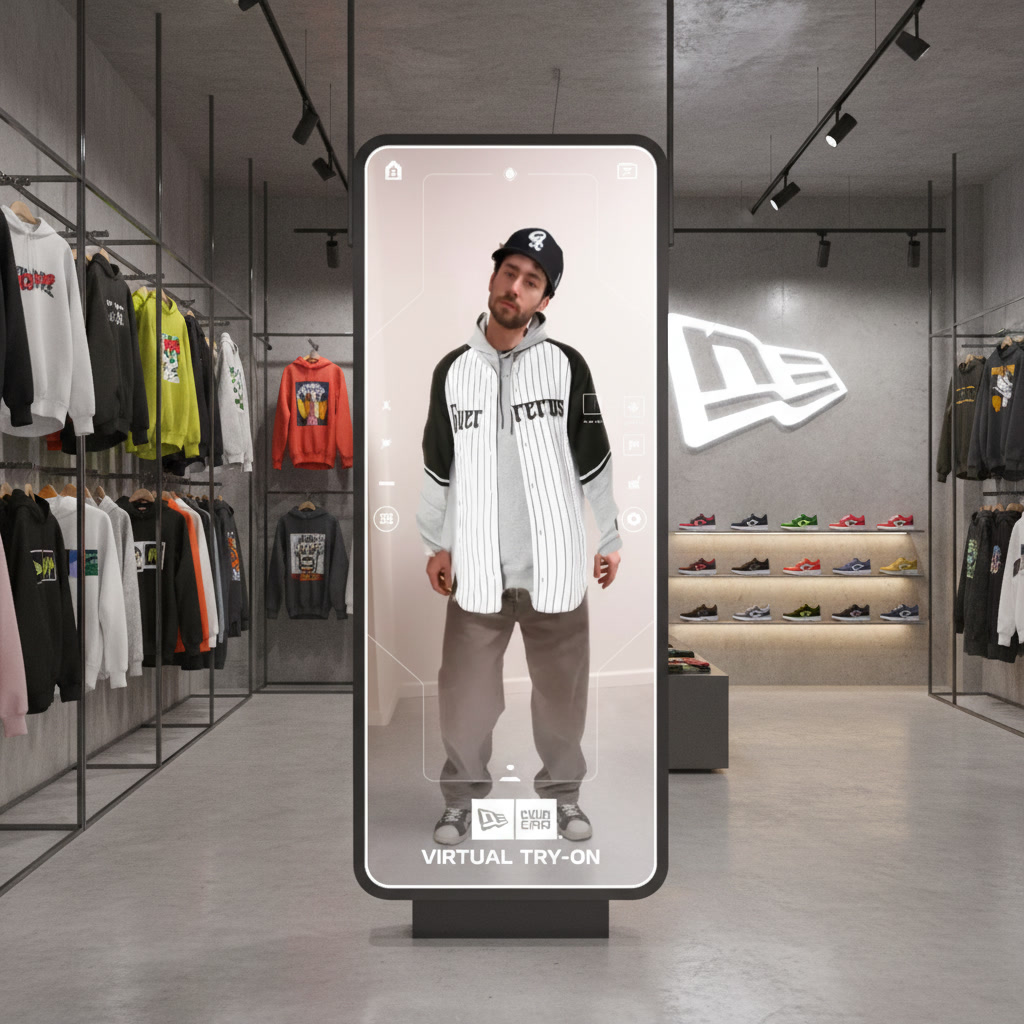
Historical garments are the perfect use case for virtual try-on. Royal regalia, military uniforms, traditional dresses and period fashion can all be digitized from photographs or 3D models, then offered to every visitor. The experience works for fragile textiles that can never be worn, and it scales to crowds that no dressing room could handle.
What a museum AR mirror does
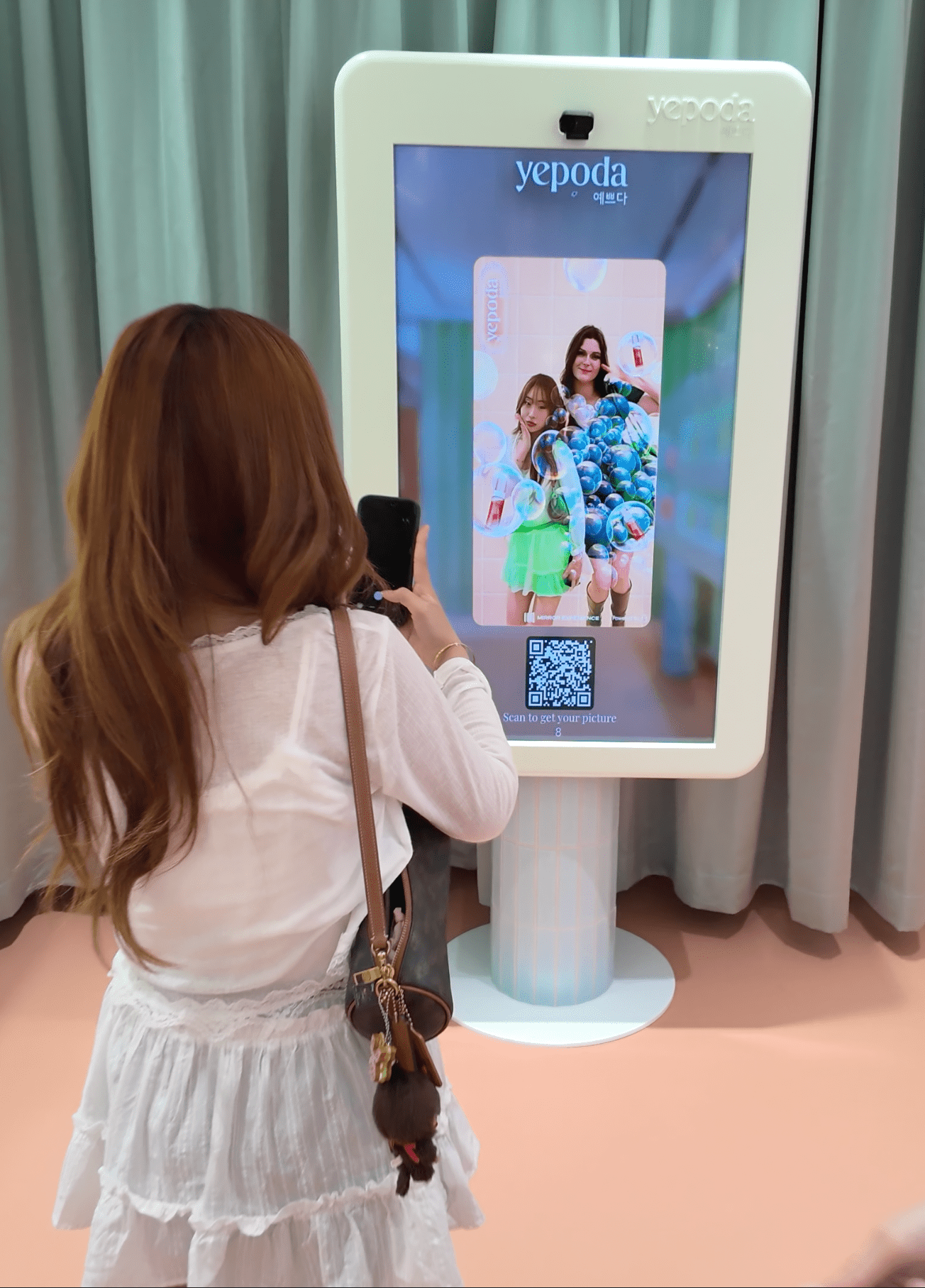
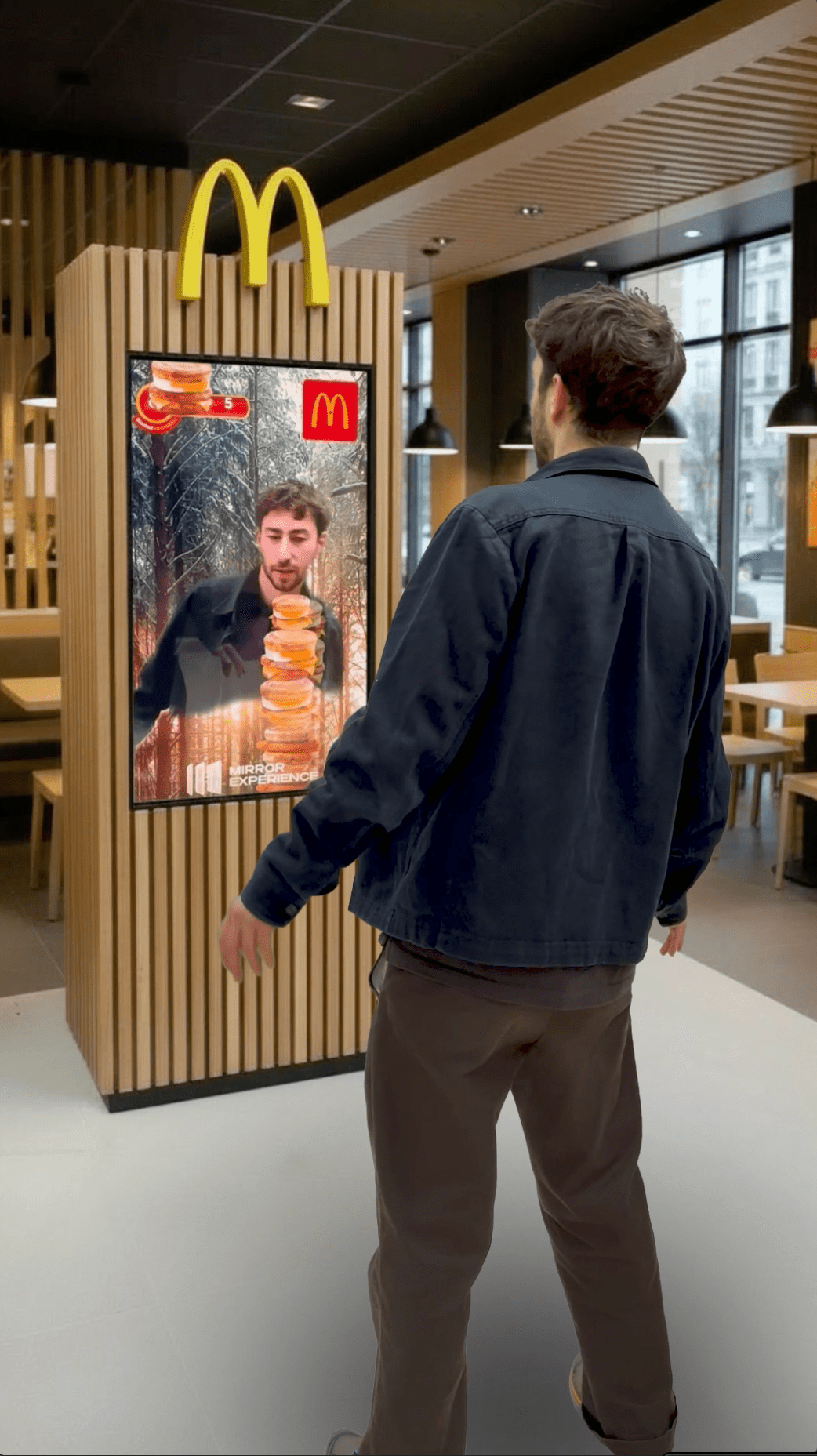
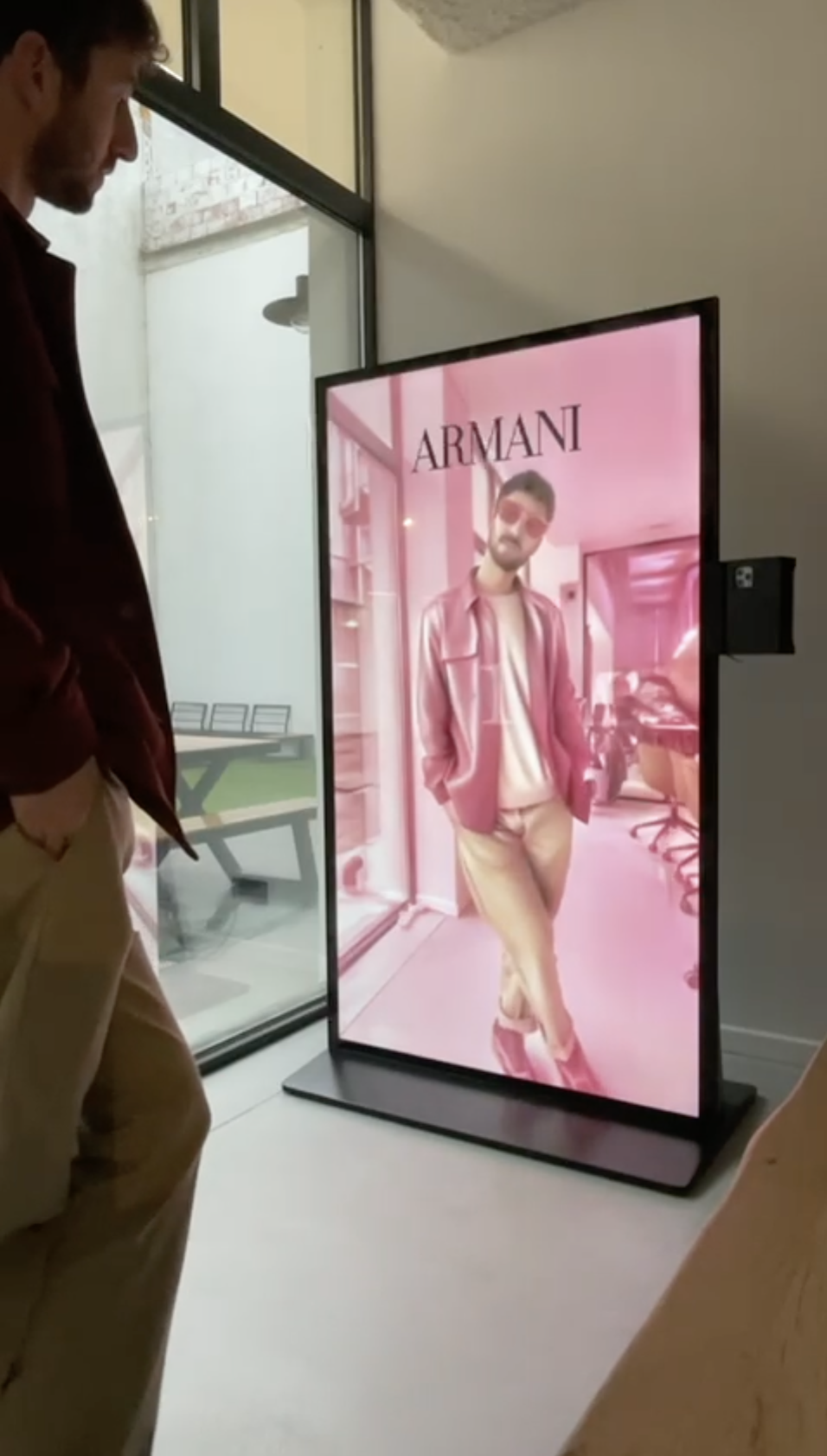
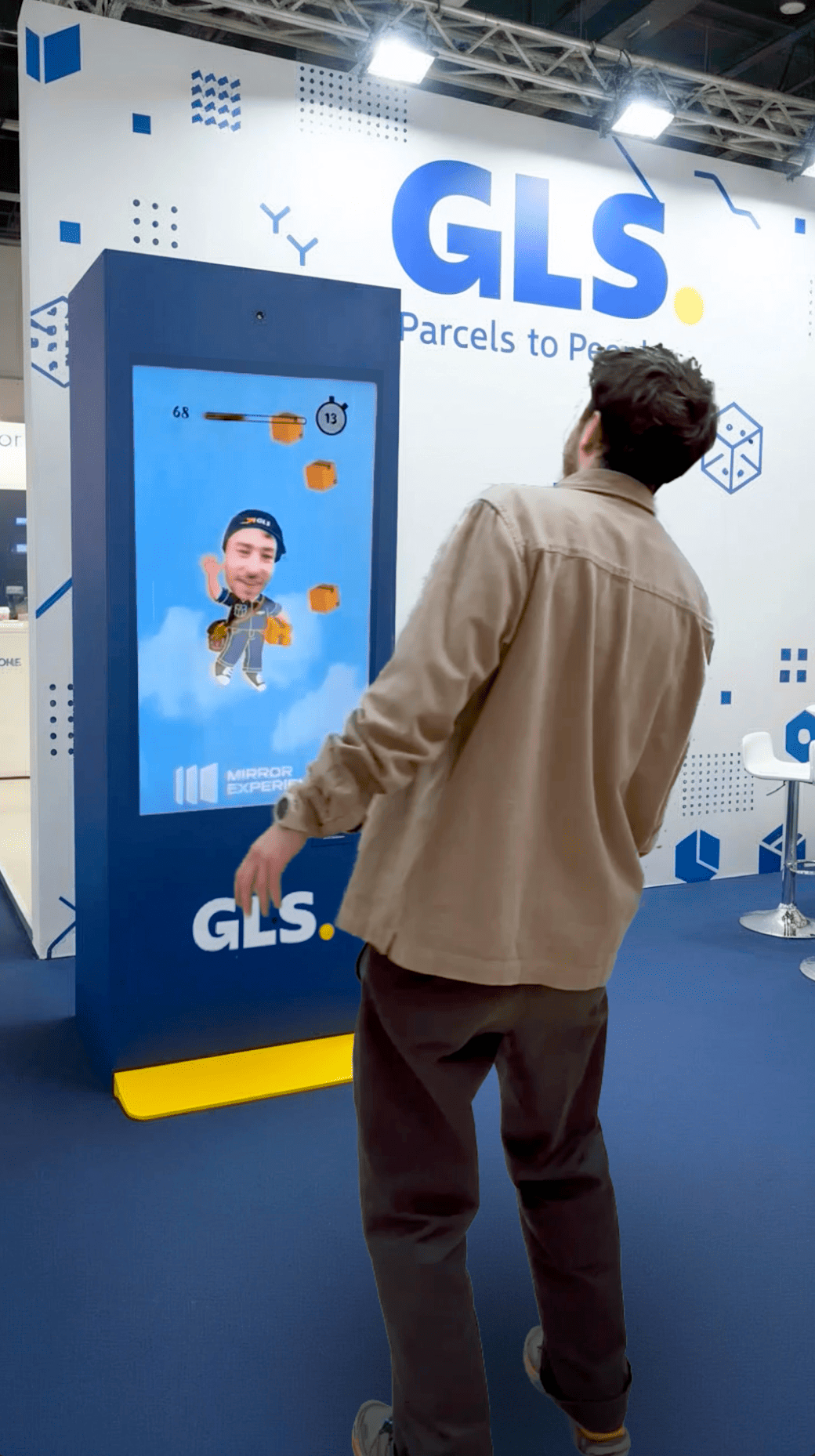
The visitor steps in front of a 75-inch vertical screen. An animated AI avatar welcomes them and suggests costumes from the collection. The system tracks the silhouette and adjusts the garment to the visitor’s size and posture in real time. At the end, a QR code delivers the photo or video to their phone, with an optional email capture. Some museums add a printed photo as a gift shop item, which turns the experience into a revenue line.
Examples and references
Mirror Experience has deployed interactive mirrors in museums and cultural venues in Belgium, France, Italy (including Venice) and beyond, with projects in Bangkok, Seoul, Los Angeles and Las Vegas. The Venice museum mirror is one of the most visited pages on the site, and the full project list is available on request. Trustpilot reviews from museum and event clients are public, rated 4/5 overall.
Frequently asked questions
How much does an AR mirror cost for a museum?
A permanent installation with a 75-inch vertical screen costs around 20,000 EUR, including hardware, content creation and training. The pilot is free.
Can the costumes come from our collection?
Yes. Costumes are digitized from photographs or 3D models of your actual pieces, and new ones can be added remotely for temporary exhibitions.
How long does installation take?
About three weeks from first call to opening day, including content and staff training.
Is it accessible to all visitors?
The mirror can be adjusted in height, and content can be offered in multiple languages. The experience is designed to be usable by wheelchair users and visitors with reduced mobility.
See it in your museum
The fastest way to judge an AR mirror is to use one. Mirror Experience installs a free pilot on a portable screen so your team and your visitors can test it for real. Contact us for a discovery call, a demo, or examples of installations already running in museums across Europe.