Magic Mirror
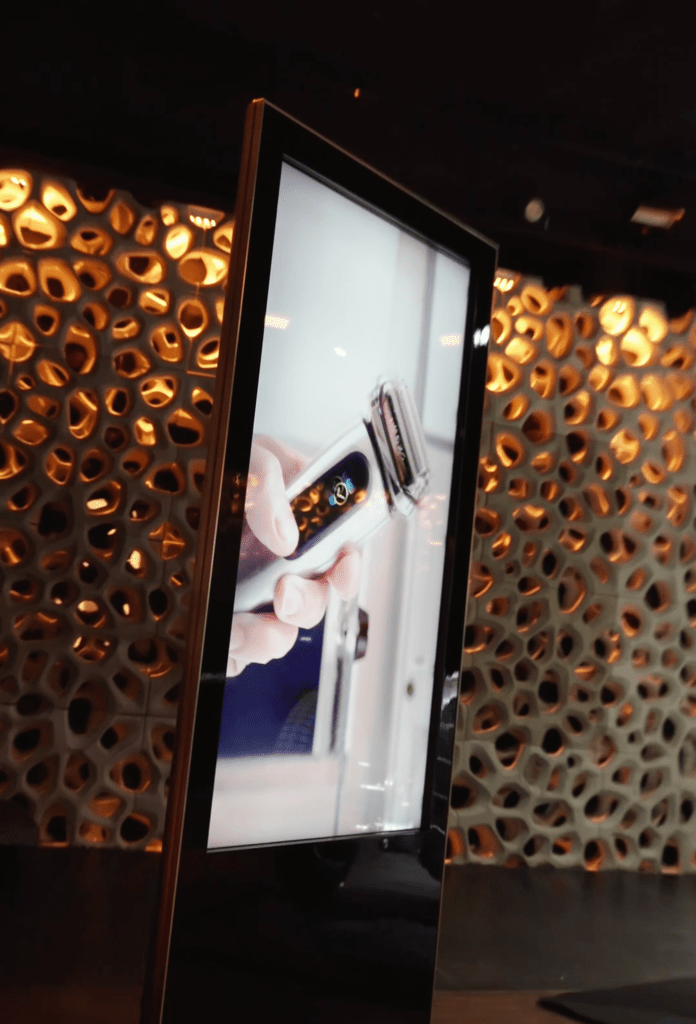
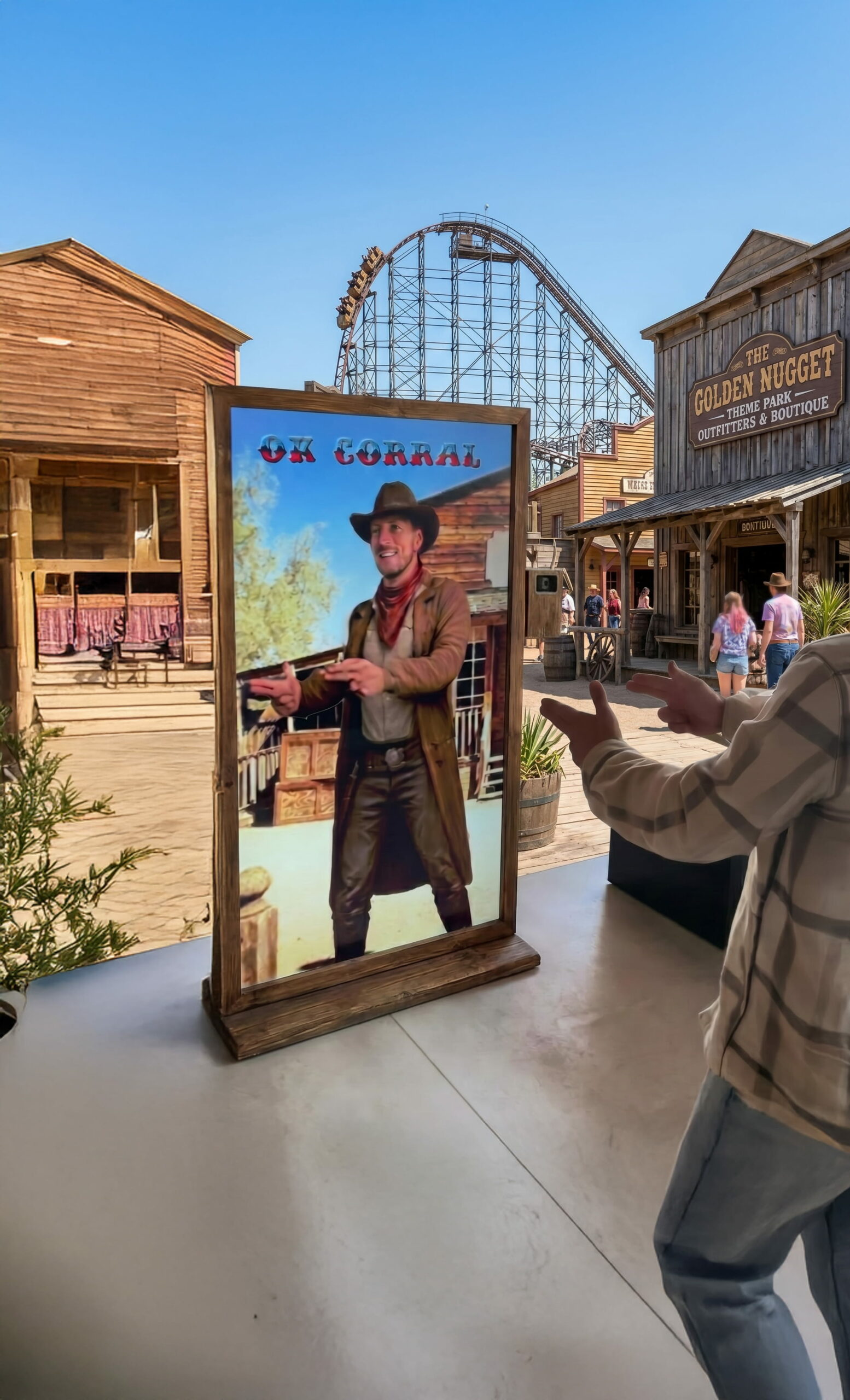
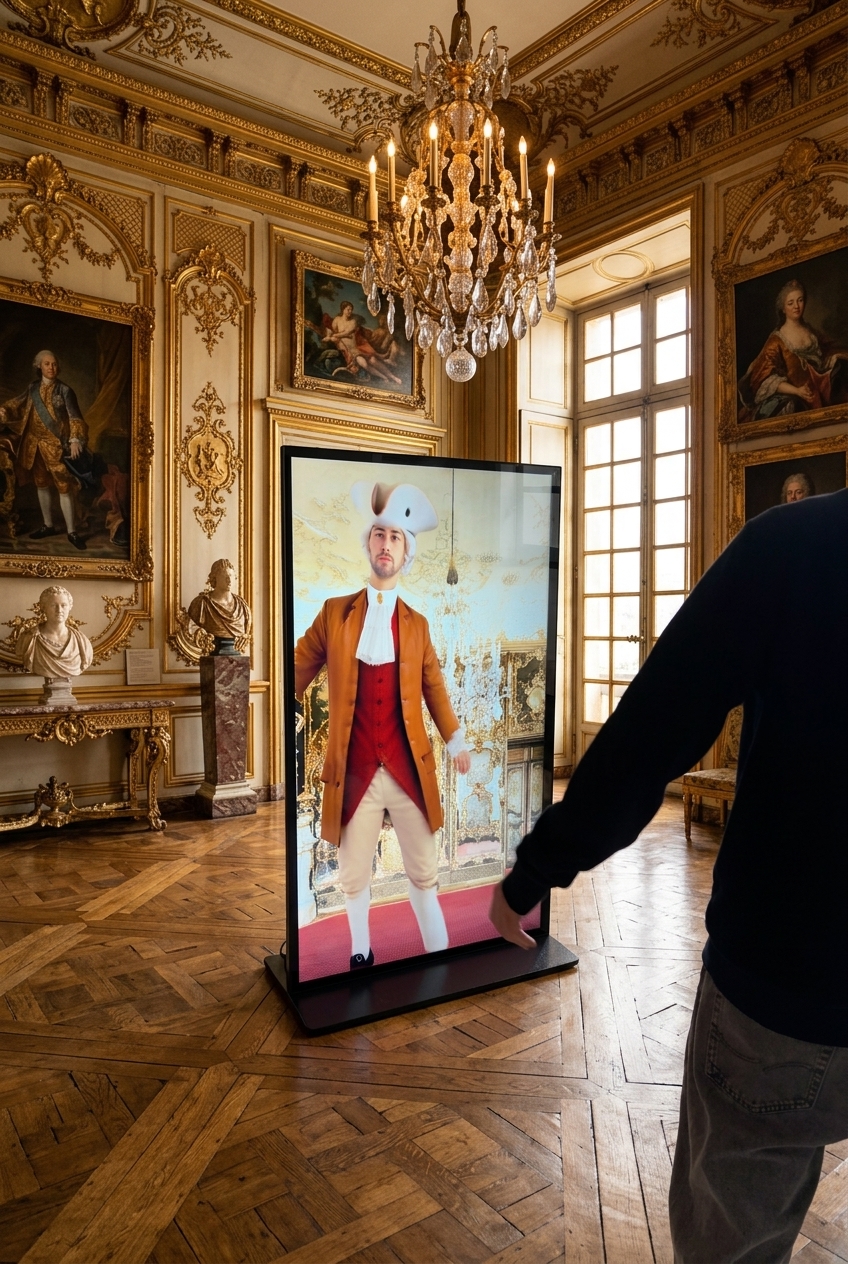
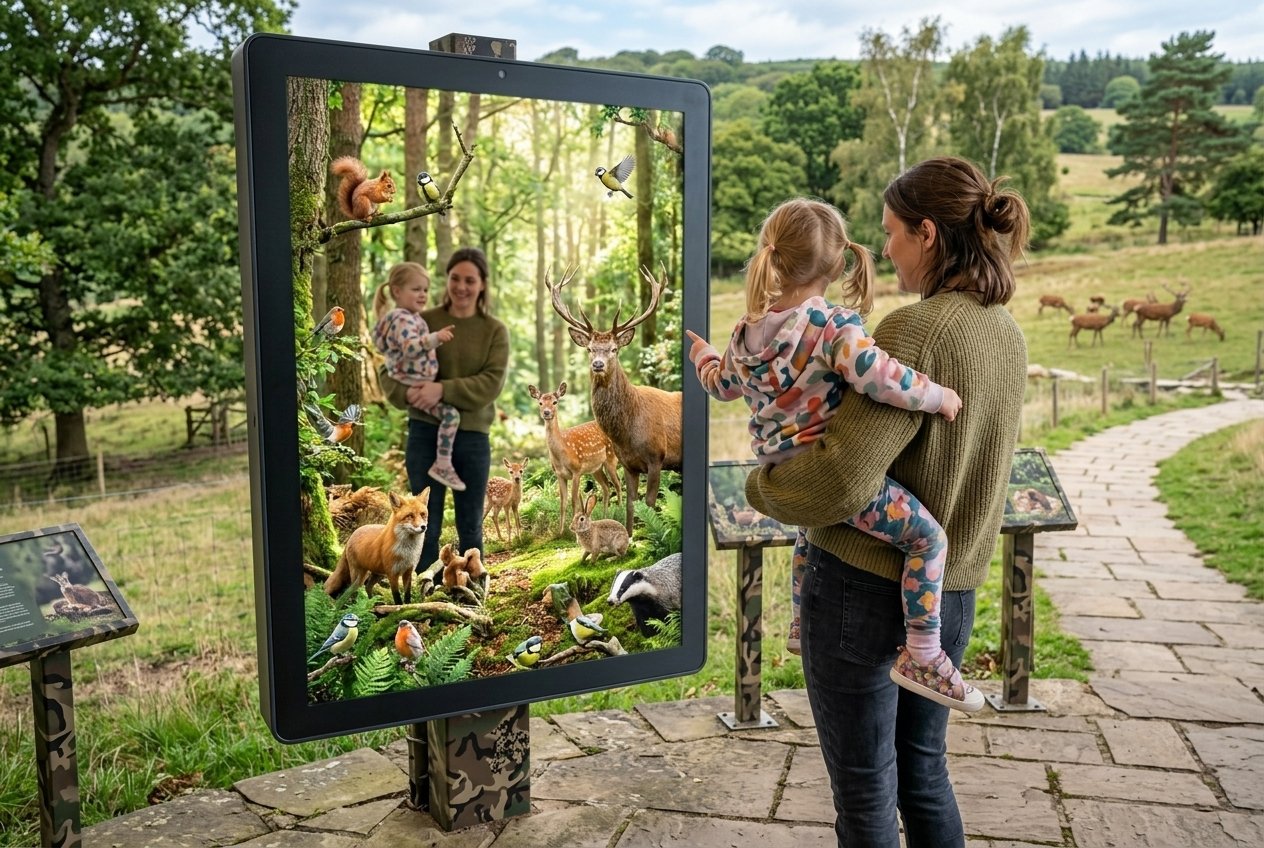
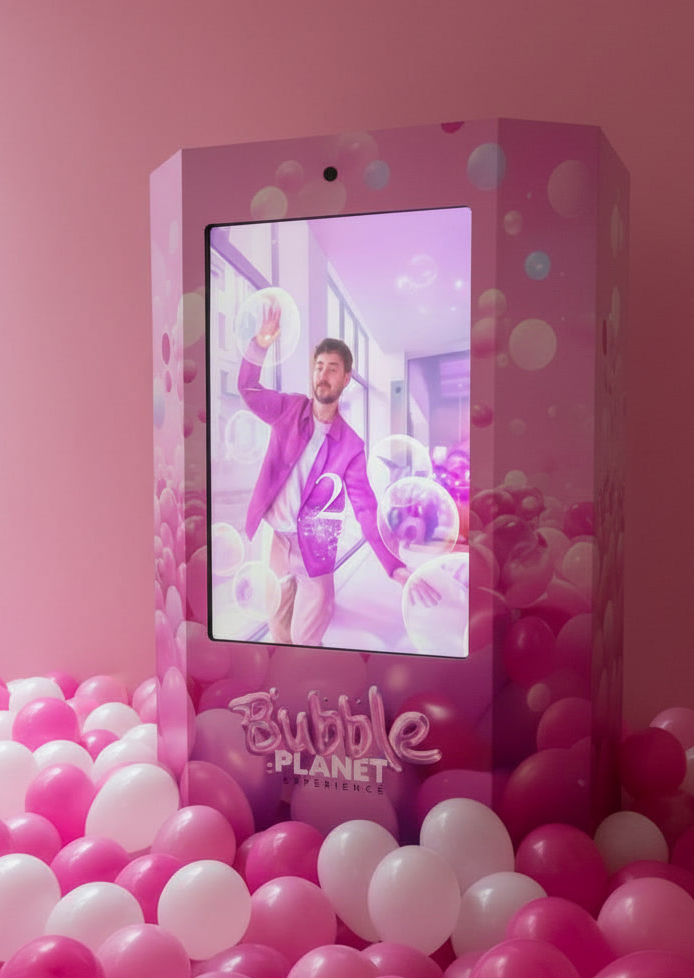
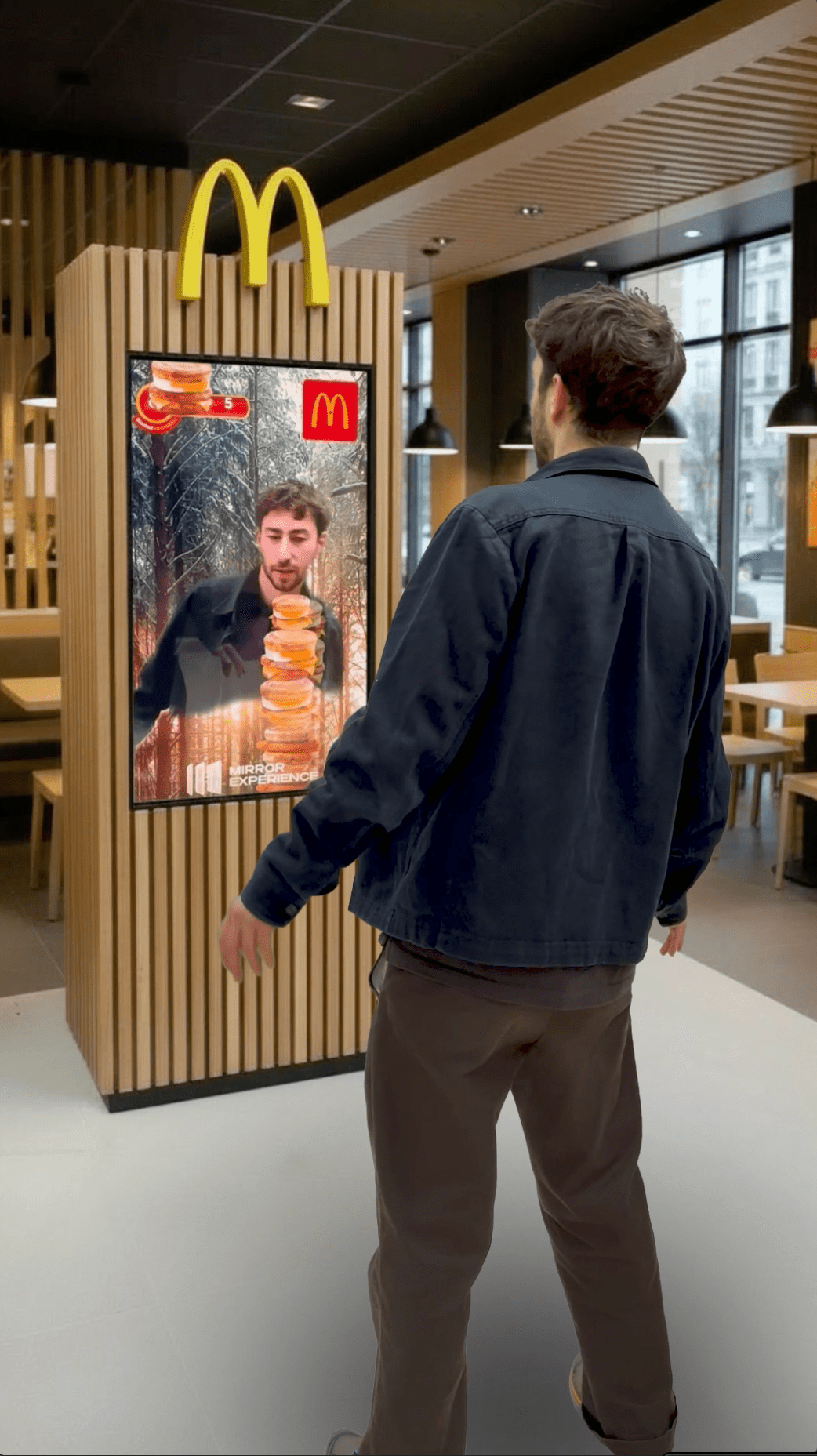
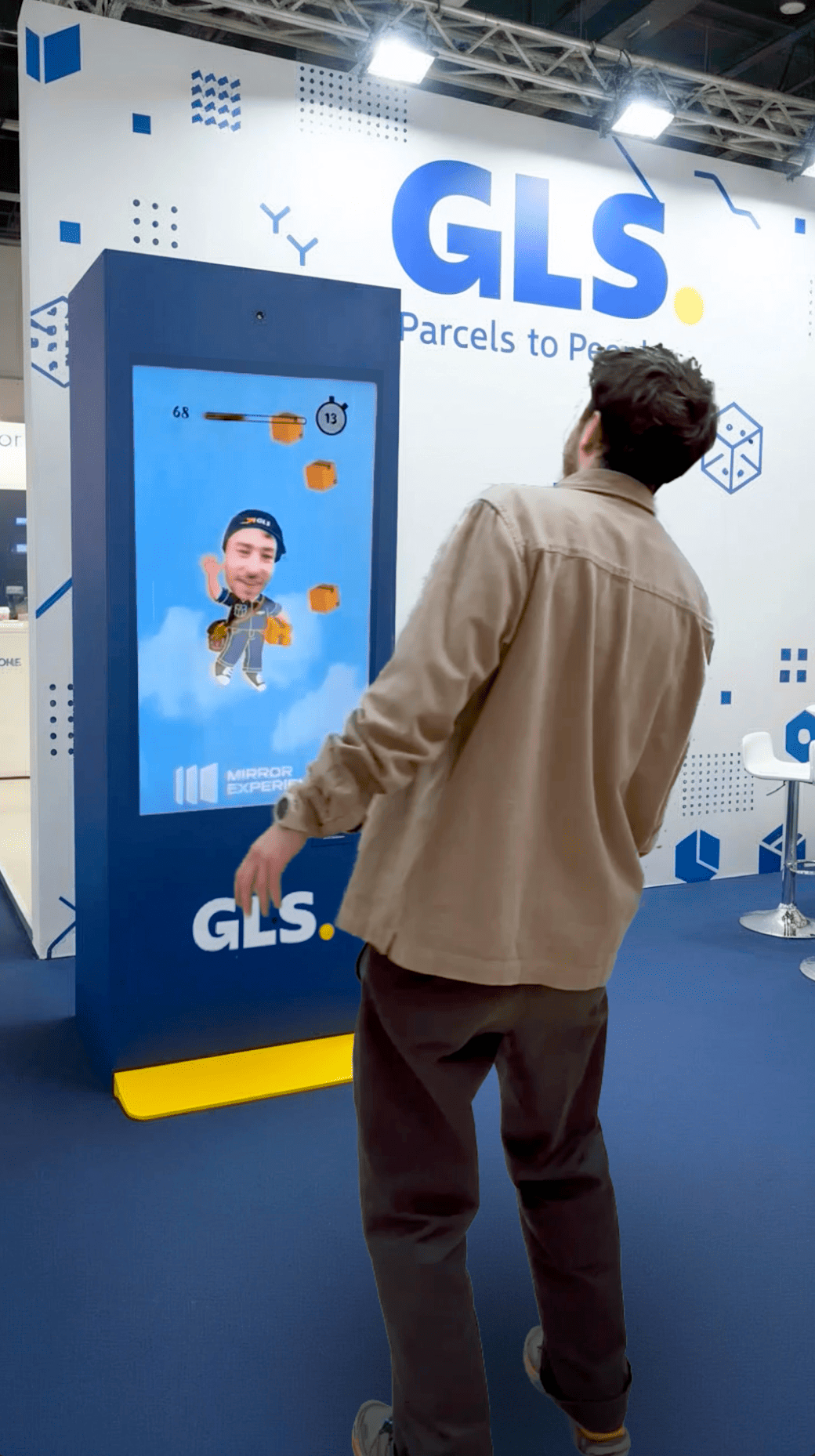
A Magic Mirror is an augmented reality screen that transforms your reflection in real time. It sees you, tracks your movement, and overlays digital content on your image at 25 frames per second, so it behaves like a real mirror. Step in front of it and you can try on a historical costume, become a character, or play a game with your own body. That is the experience Mirror Experience has built its name on.
Note: this is not the open-source home dashboard of the same name. This is a professional installation designed for public spaces, built to run all day, every day, in museums, theme parks, retail stores and events.
Key takeaways
- Real-time rendering at 25 fps, no waiting, no post-processing.
- Use cases: historical costume try-on, queue entertainment, virtual try-on for brands, event activations.
- Public pricing from 9,000 EUR for events, 20,000 EUR for permanent installations, with a free pilot.
What is a Magic Mirror?
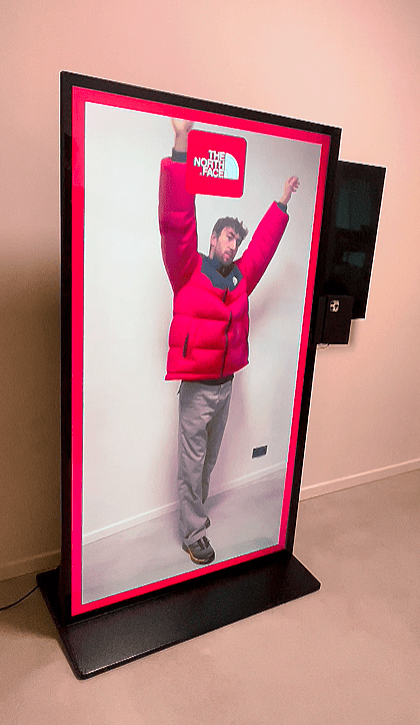
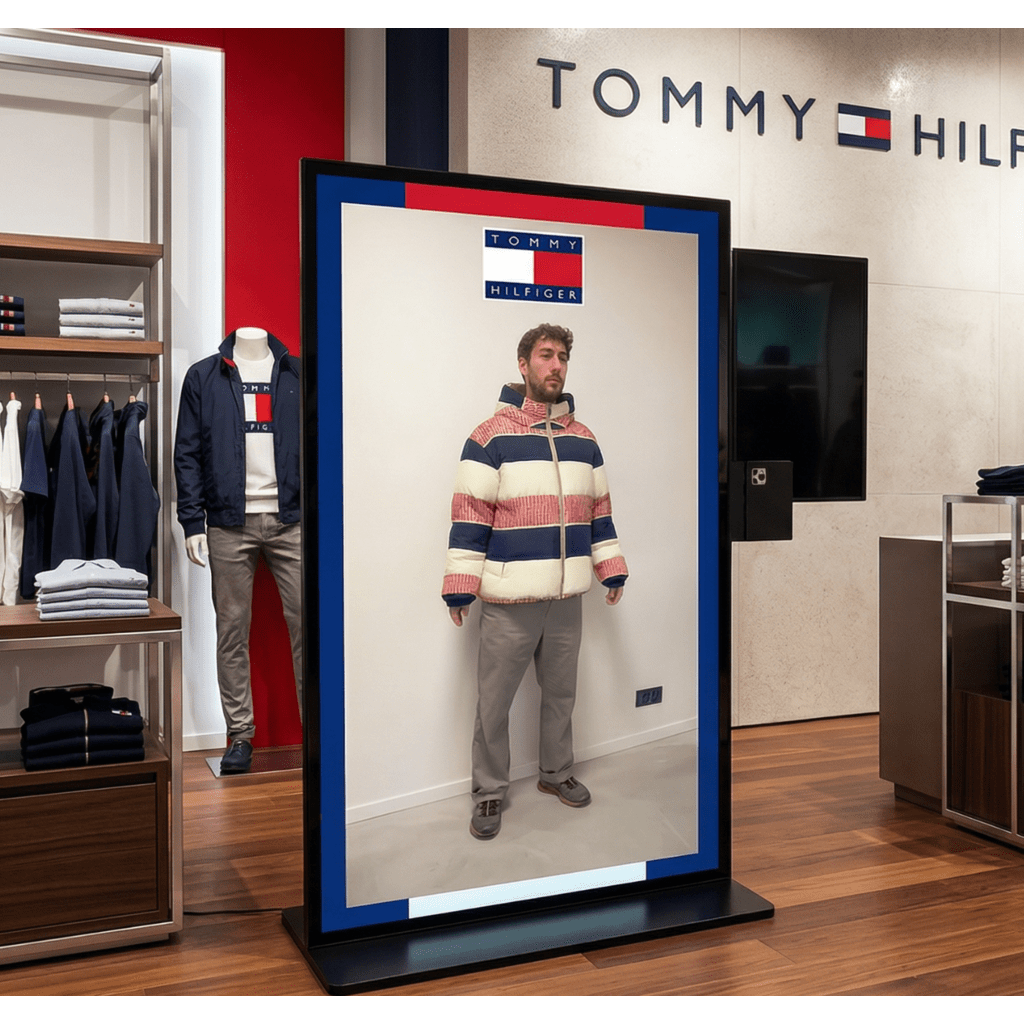
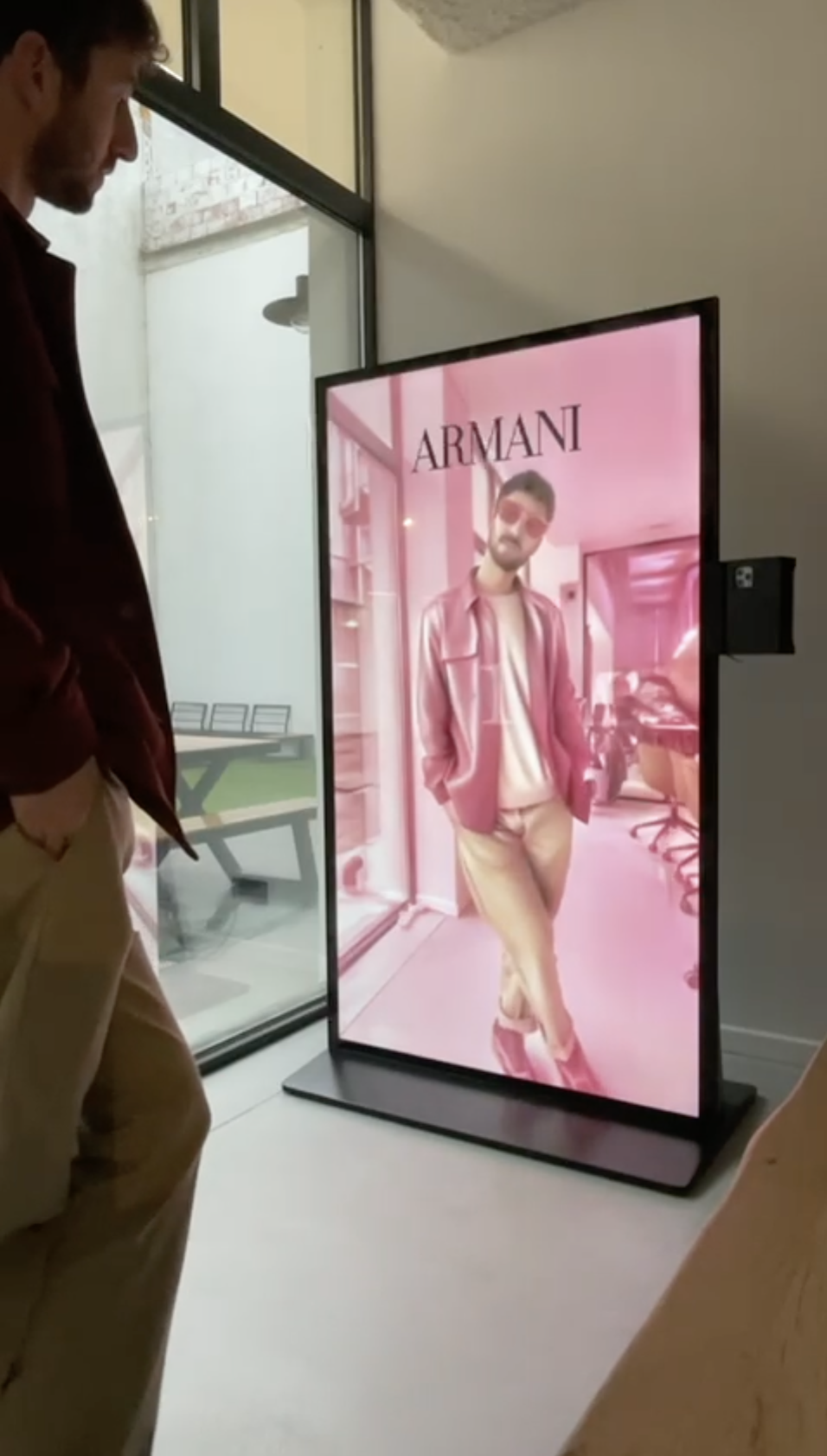
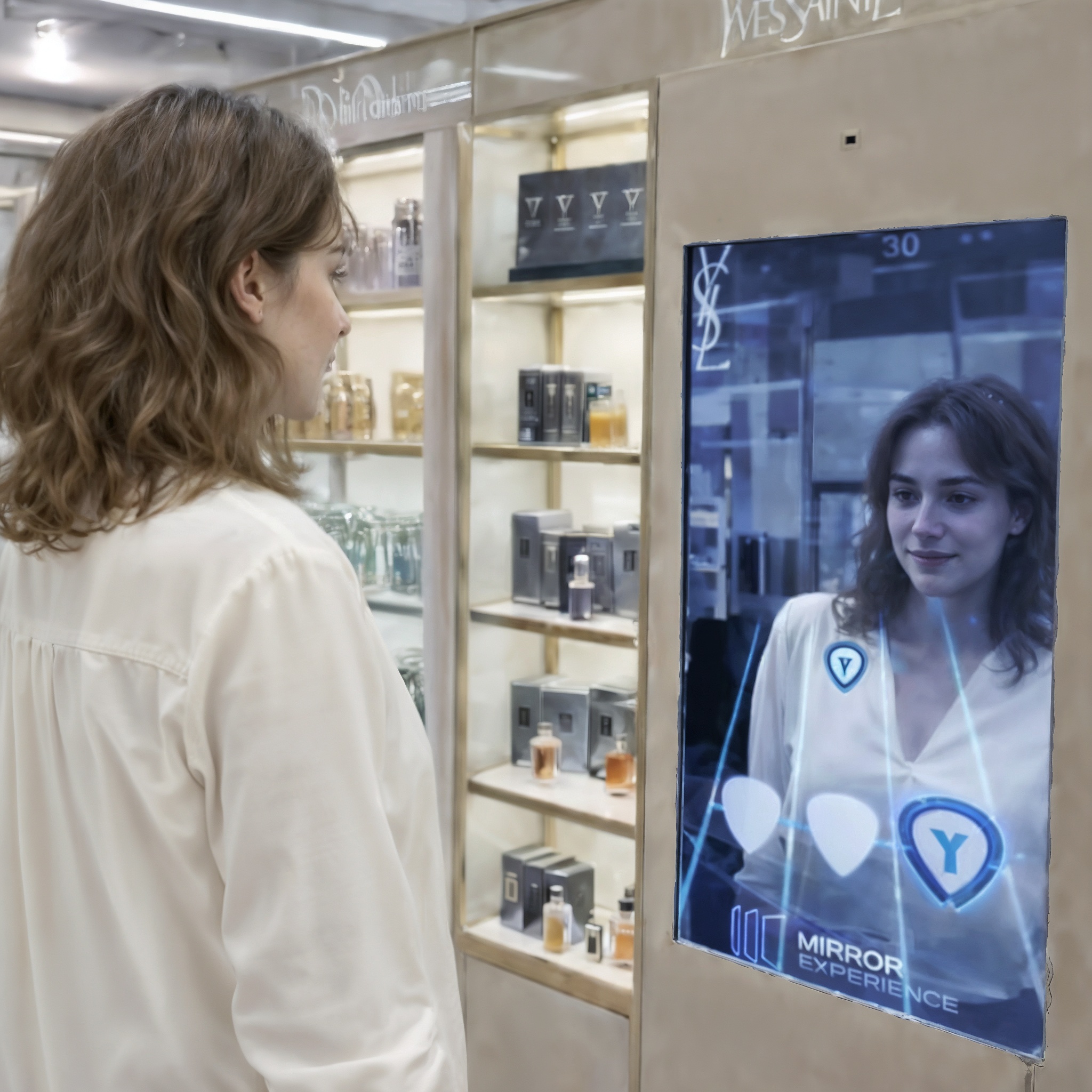
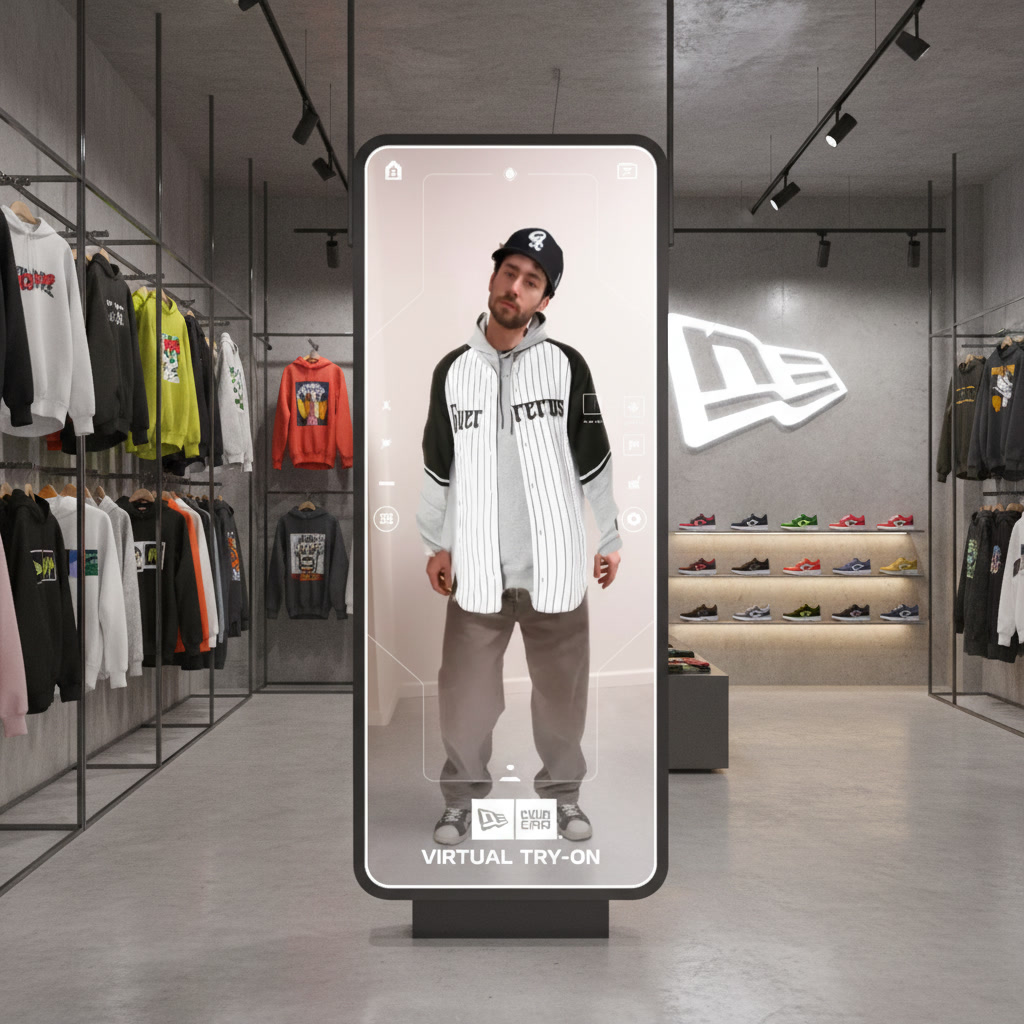
A Magic Mirror is a large vertical screen with cameras and software that understand what your body is doing. It tracks your face, hands and posture, then renders effects over your reflection in real time. The result is a mirror that lets you try on things you do not own: a crown, a knight’s armor, a designer dress, a movie character’s outfit.
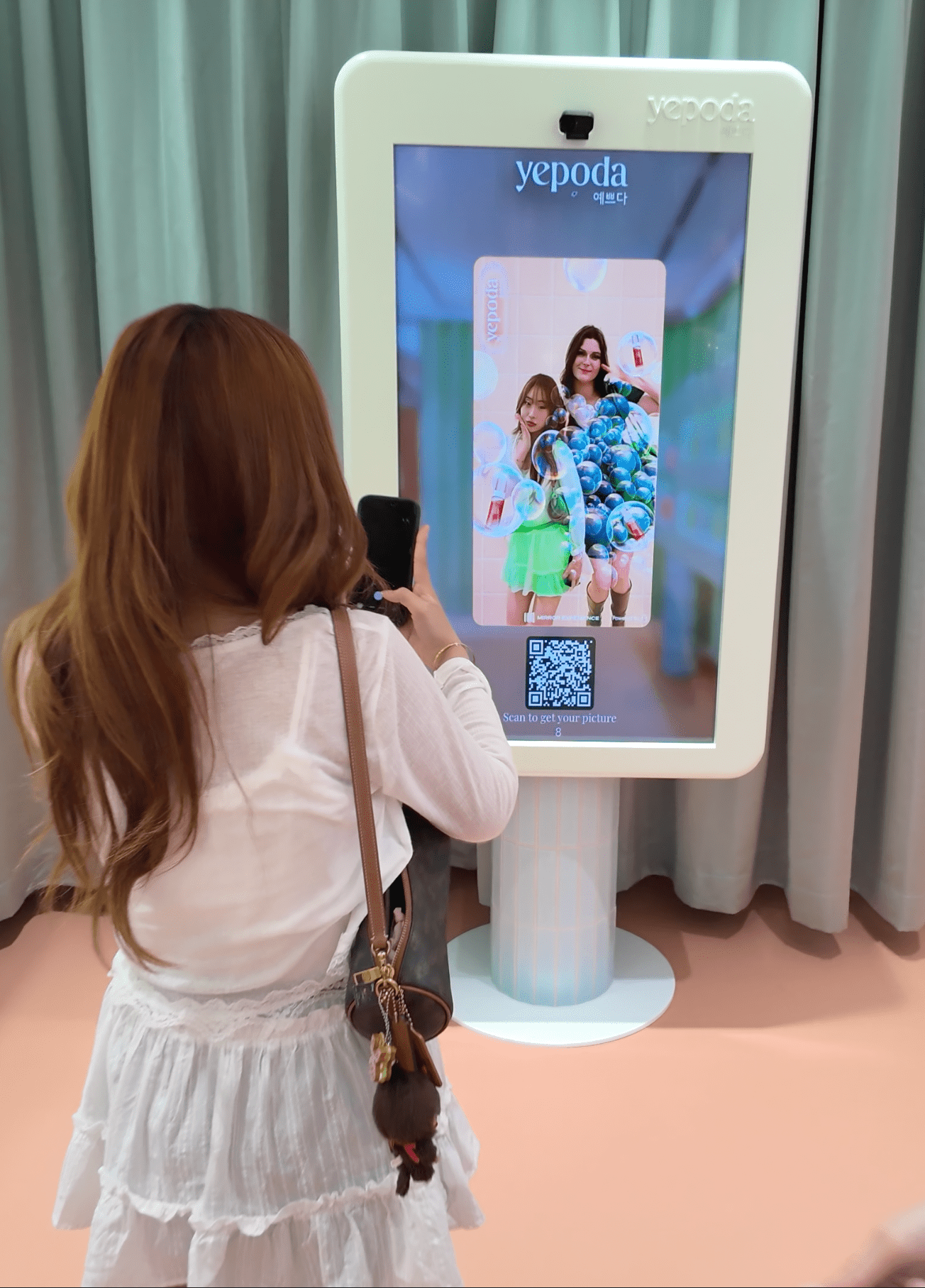
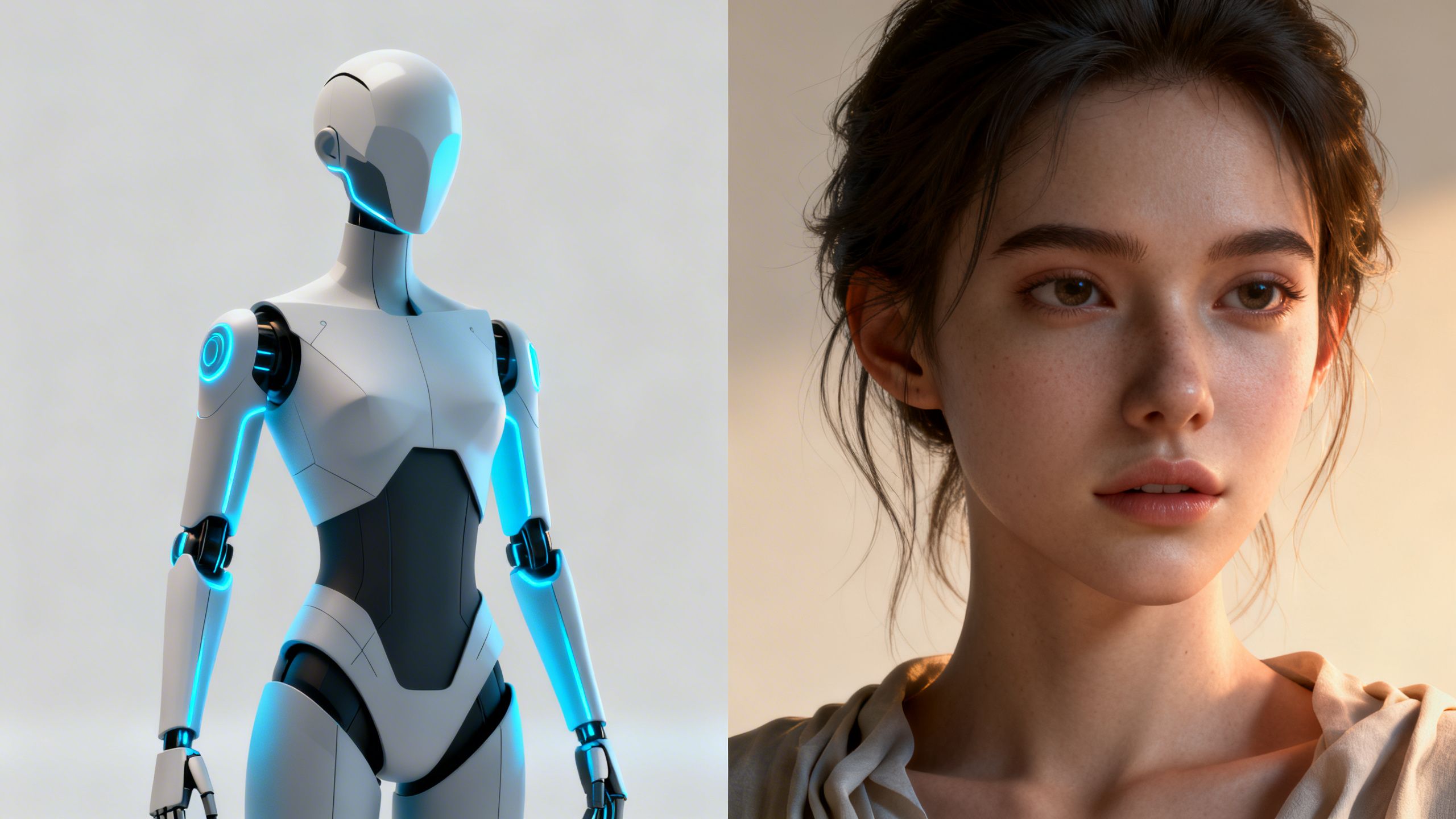
The animated AI avatar is what makes it feel alive. The avatar welcomes visitors, proposes costumes, guides them through the experience, and invites them to take a photo. In crowded spaces, it acts like a friendly host rather than a passive screen.
How Magic Mirror technology works
The system runs on computer vision and local rendering. Cameras capture the visitor, pose estimation tracks the skeleton, and the software overlays the costume or effect with correct alignment. Everything processes on site, so there is no cloud round trip and no visible latency. Content is managed remotely, so museums and parks can push new costumes or seasonal effects to every screen without a technician on location.
Magic Mirror for museums and theme parks
Museums use it for costume try-on: visitors wear the collection’s most fragile garments virtually, without touching them. The experience extends the visit, creates shareable content, and brings younger audiences in. Theme parks use it in queues, where it turns waiting time into play, and in souvenir shops, where the printed photo becomes a revenue line. Deployments in Belgium, France, Italy, the US and Asia have covered museums, parks, malls and events.
Magic Mirror for brands and events
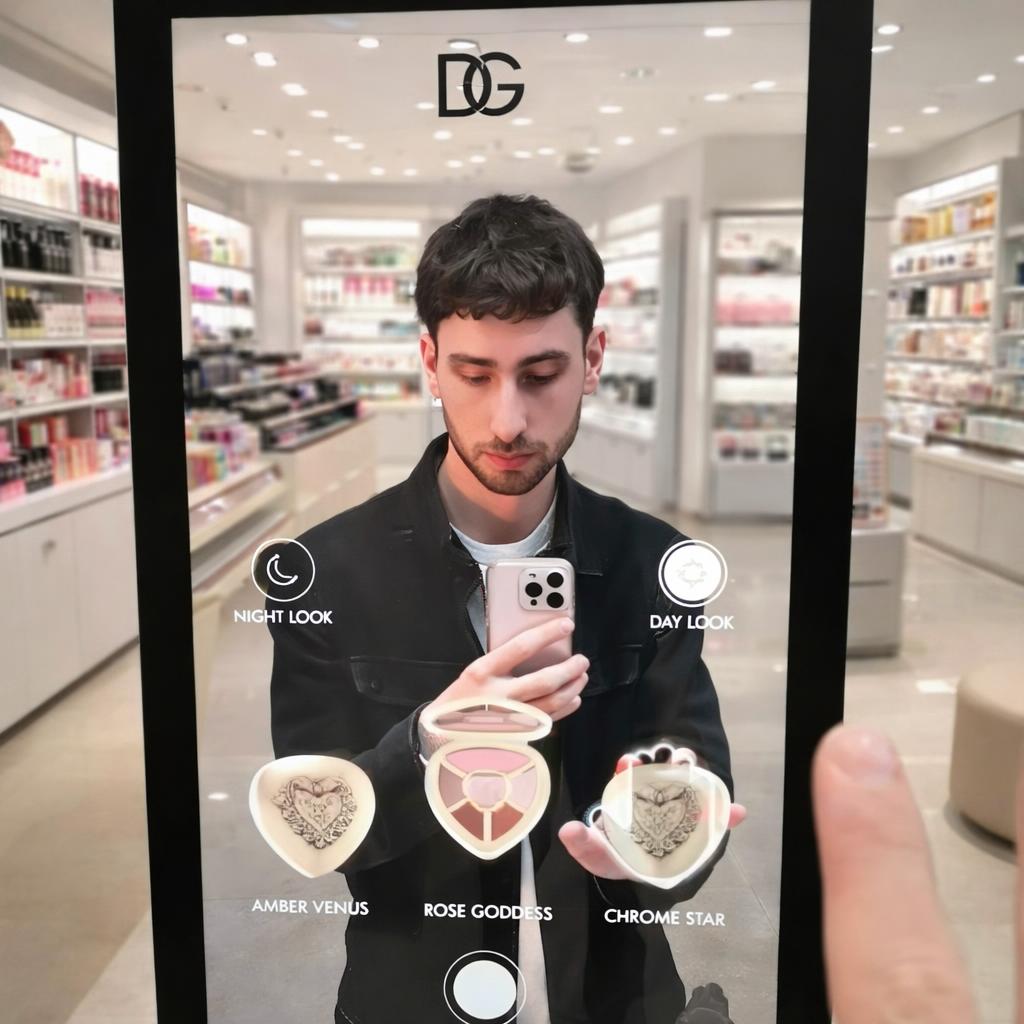
Brands use the mirror as a virtual fitting room for clothes, accessories and make-up, with effects built around their products. Event organisers use it as the highlight that draws a crowd and produces content guests share on social media. The shareable loop, photo or video by QR code, email capture and reward for sharing, turns every visitor into an ambassador.
Magic Mirror price
An event Magic Mirror costs around 9,000 EUR. A permanent installation with a 75-inch vertical screen, ideal for full-body transformation, costs around 20,000 EUR. The pilot is free and deployment takes about three weeks.
Frequently asked questions
Is the Magic Mirror different from an AI photo booth?
Yes. A photo booth captures and processes, with a 15 to 20 second wait. The Magic Mirror renders live at 25 frames per second. Visitors see themselves transform as they move, which changes the experience completely.
Can we create custom costumes?
Yes. Costumes are created from photographs or 3D models of your actual pieces, products or characters, and can be updated remotely.
How much does it cost?
From 9,000 EUR for events, 20,000 EUR for permanent installations. The pilot is free.
How long does it take to deploy?
About three weeks for a standard installation, including hardware, content and training.
See it before you buy it
Mirror Experience offers a free pilot on a portable screen. Contact the team for a discovery call and a quote within a week.