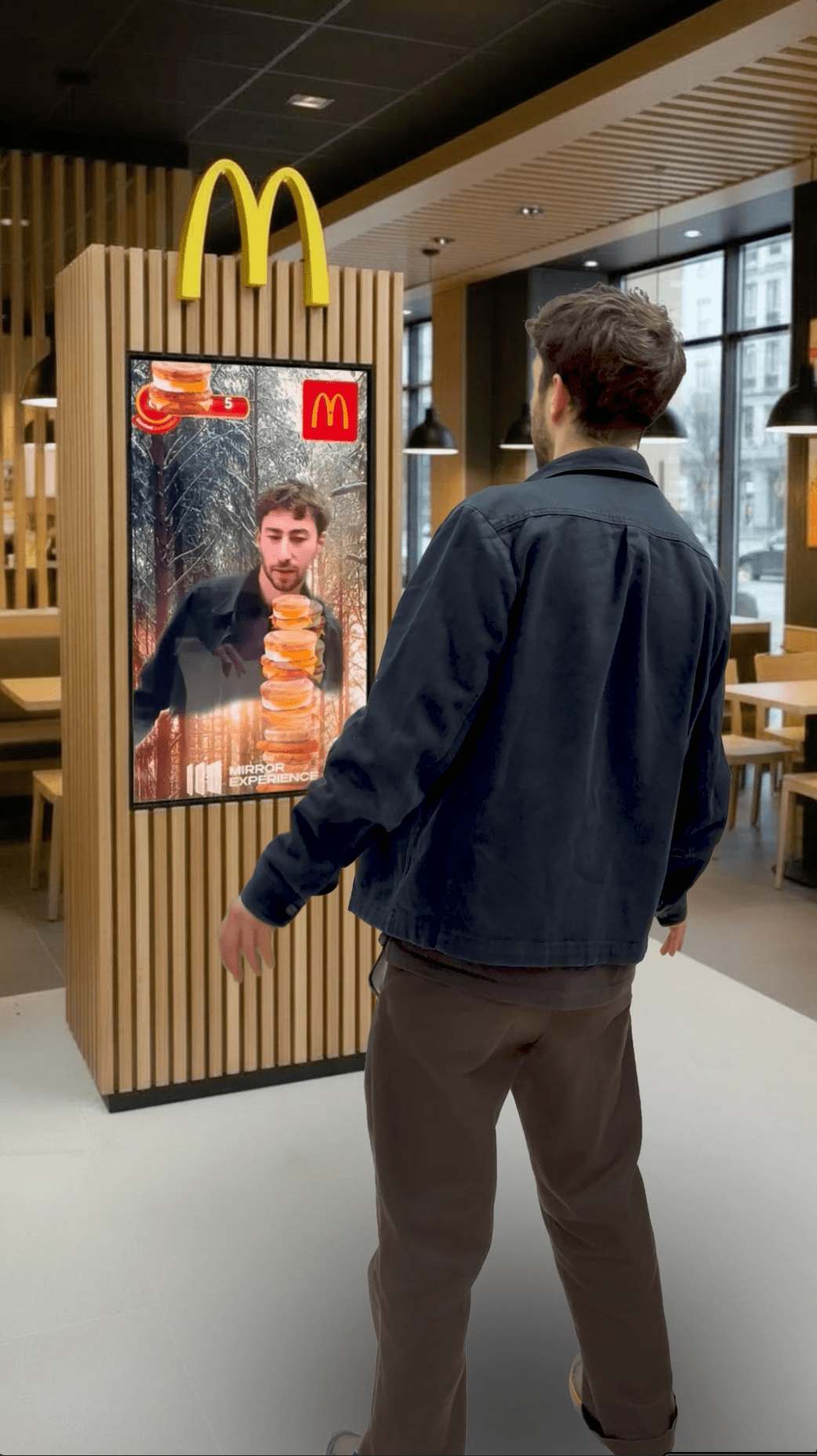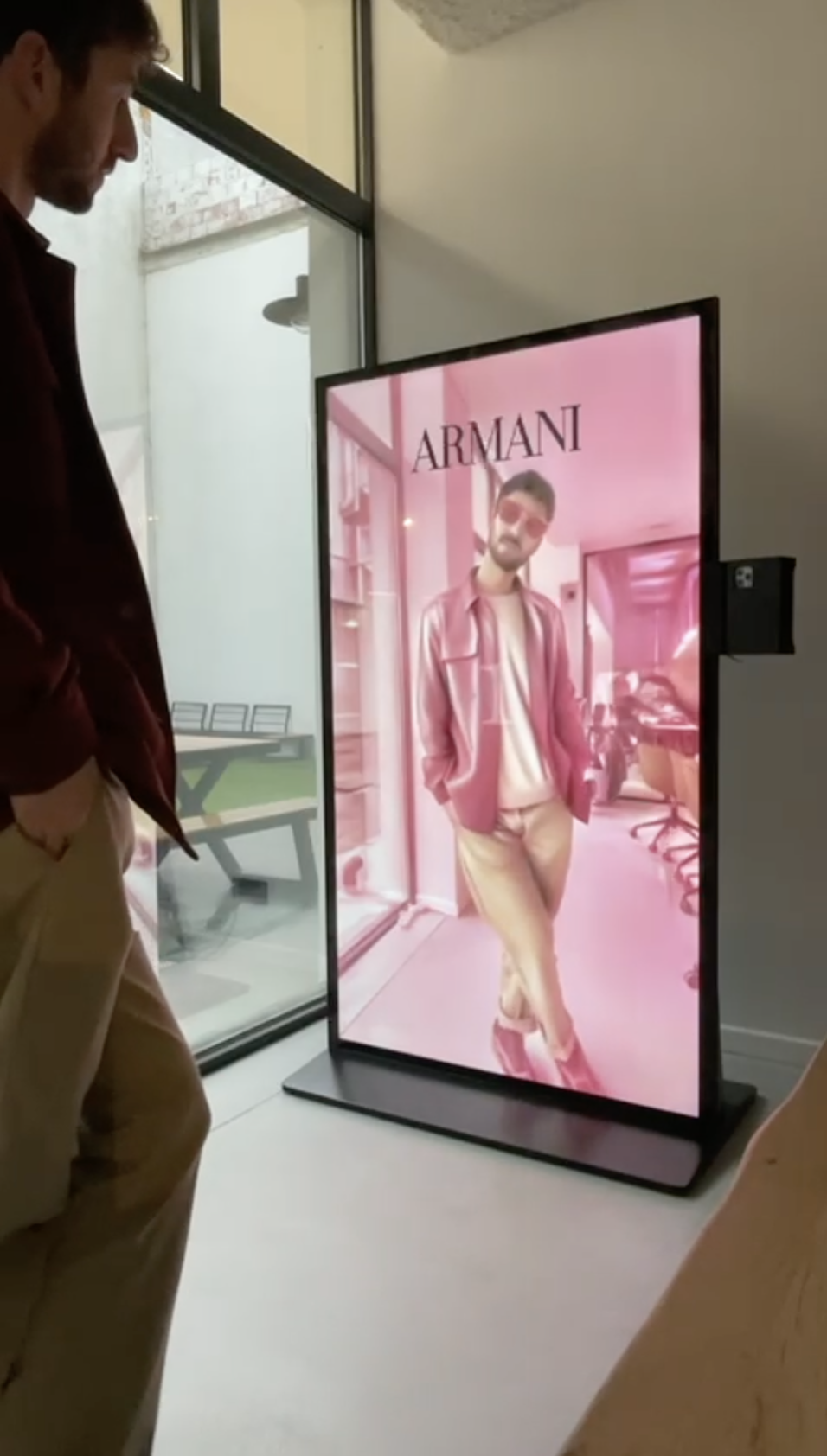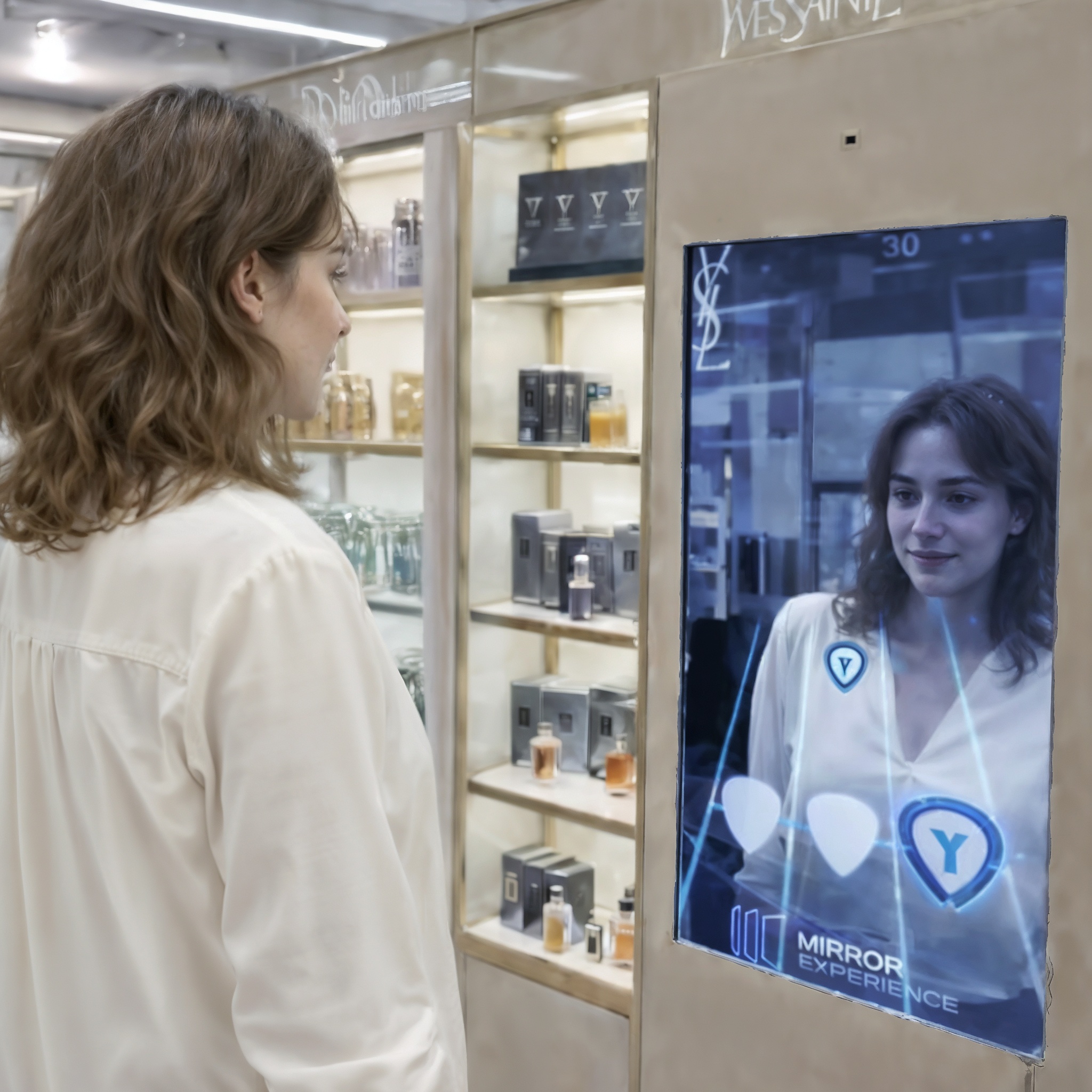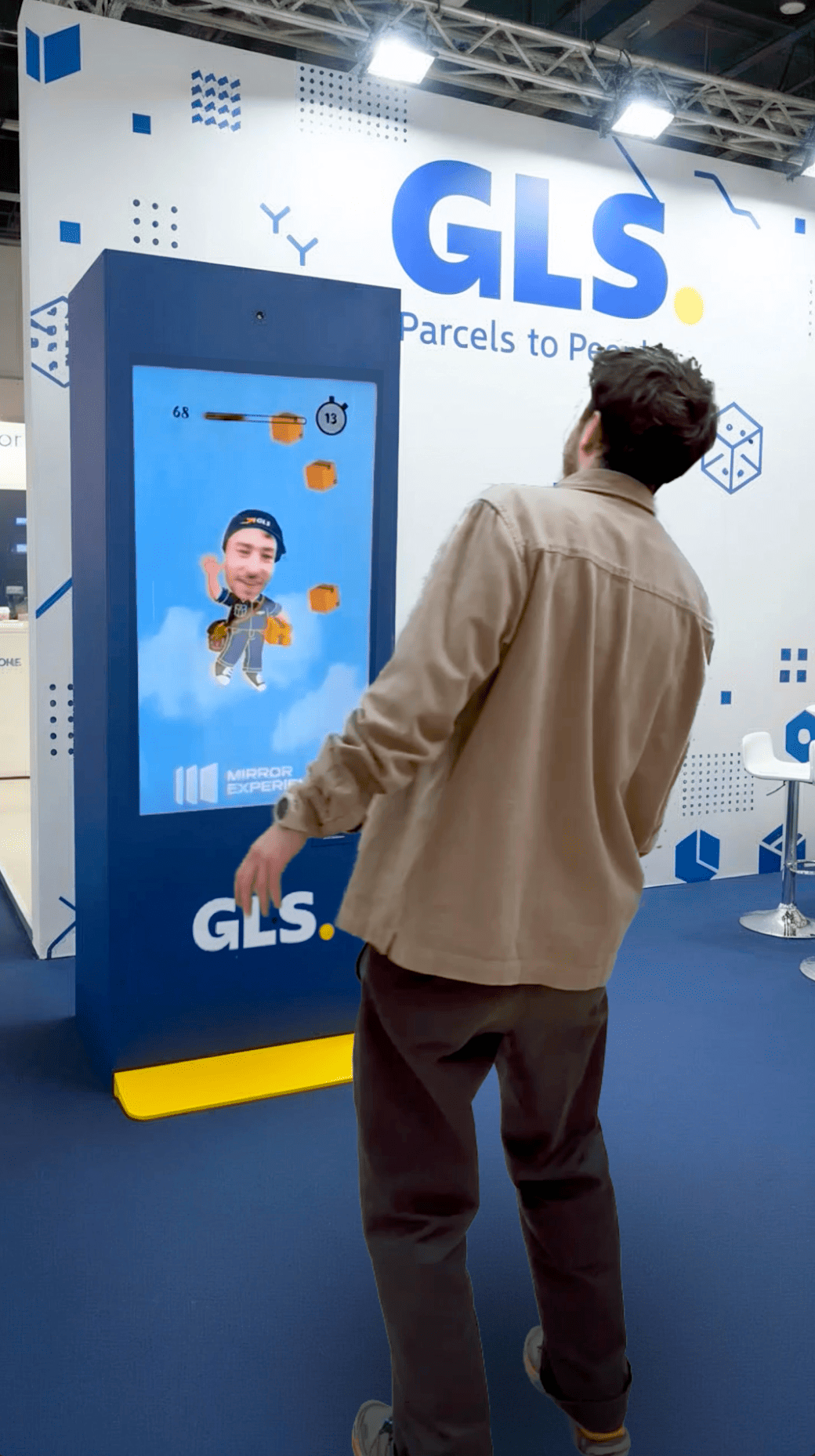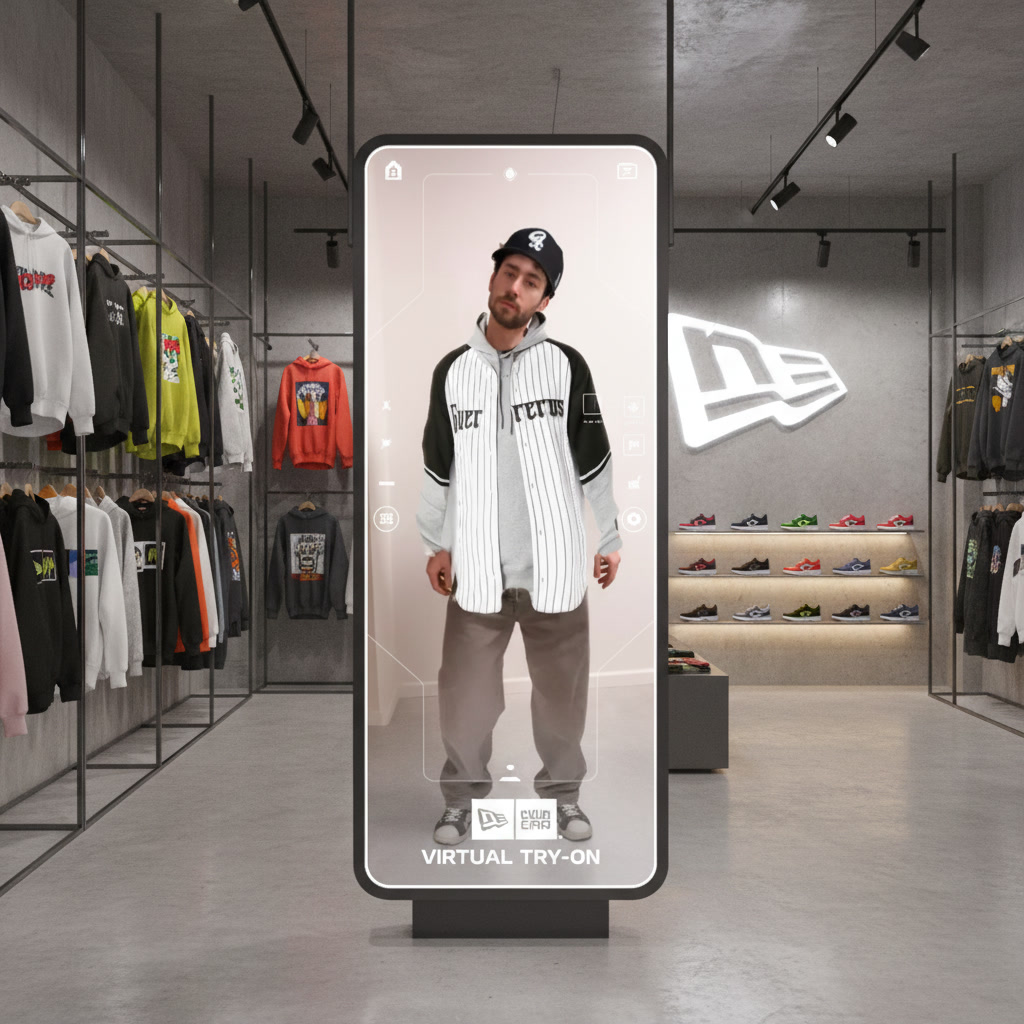
AI mirror installation in Montreal
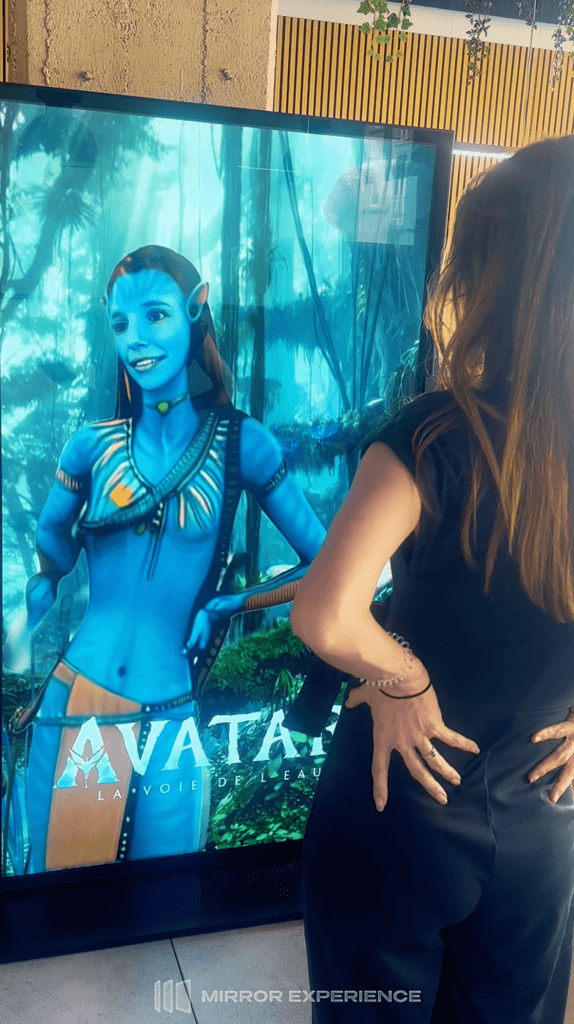
Our first physical mirror went live at the Cosmodôme near Montreal in 2022, and the project has been running and evolving ever since. Visitors control an astronaut walking on Mars with the movement of their head, see themselves on screen next to him, and share the result. It is the installation that took our work off the phone and onto a screen in a room.
The short version. Real-time interactive mirror, bilingual French and English by default. Software from 8,000 EUR, hardware 1,000 to 5,000 EUR on top. 120 volt supply and Canadian certification handled. Free pilot, two to four weeks from brief to live.
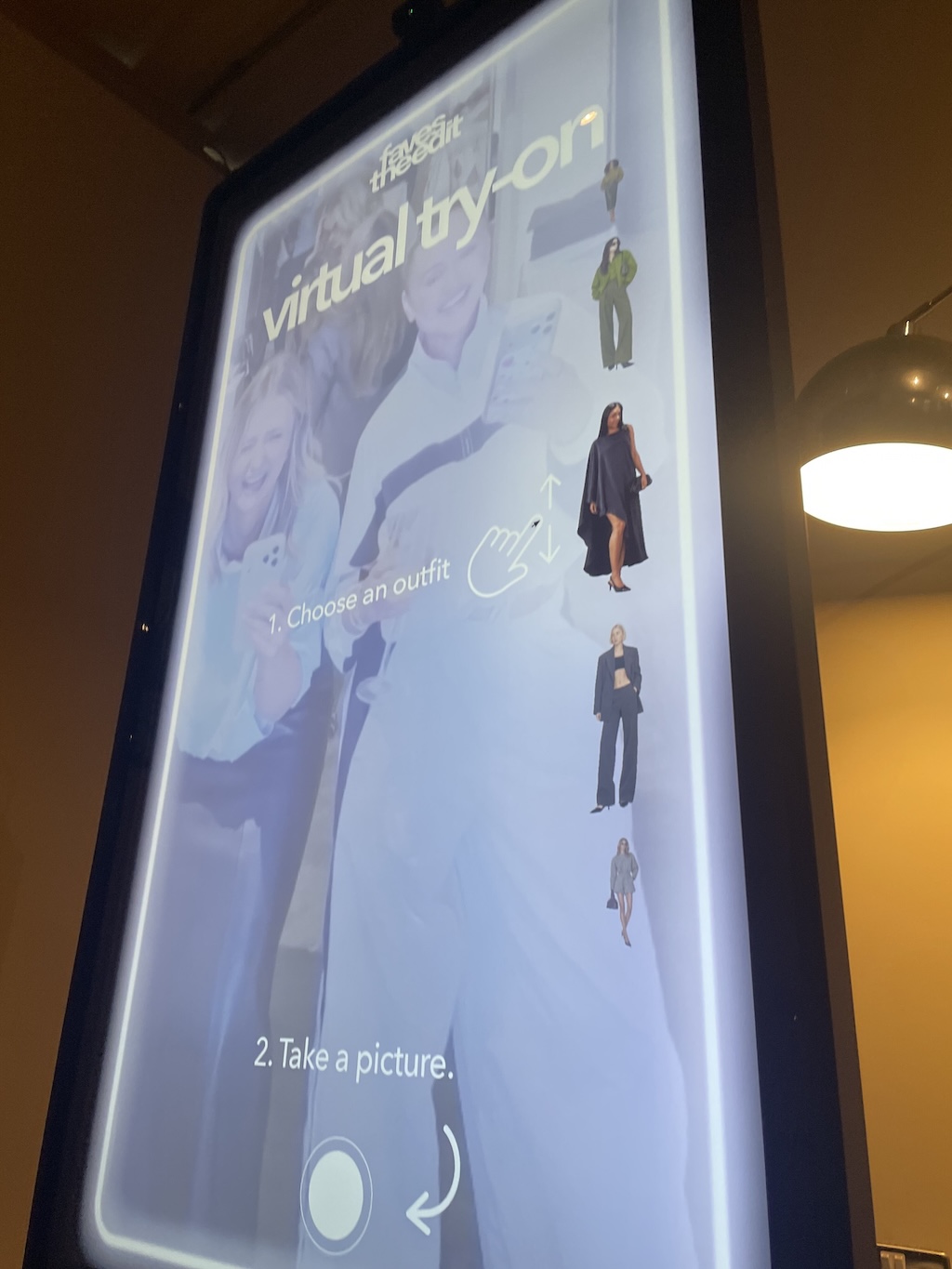
What we install in Montreal
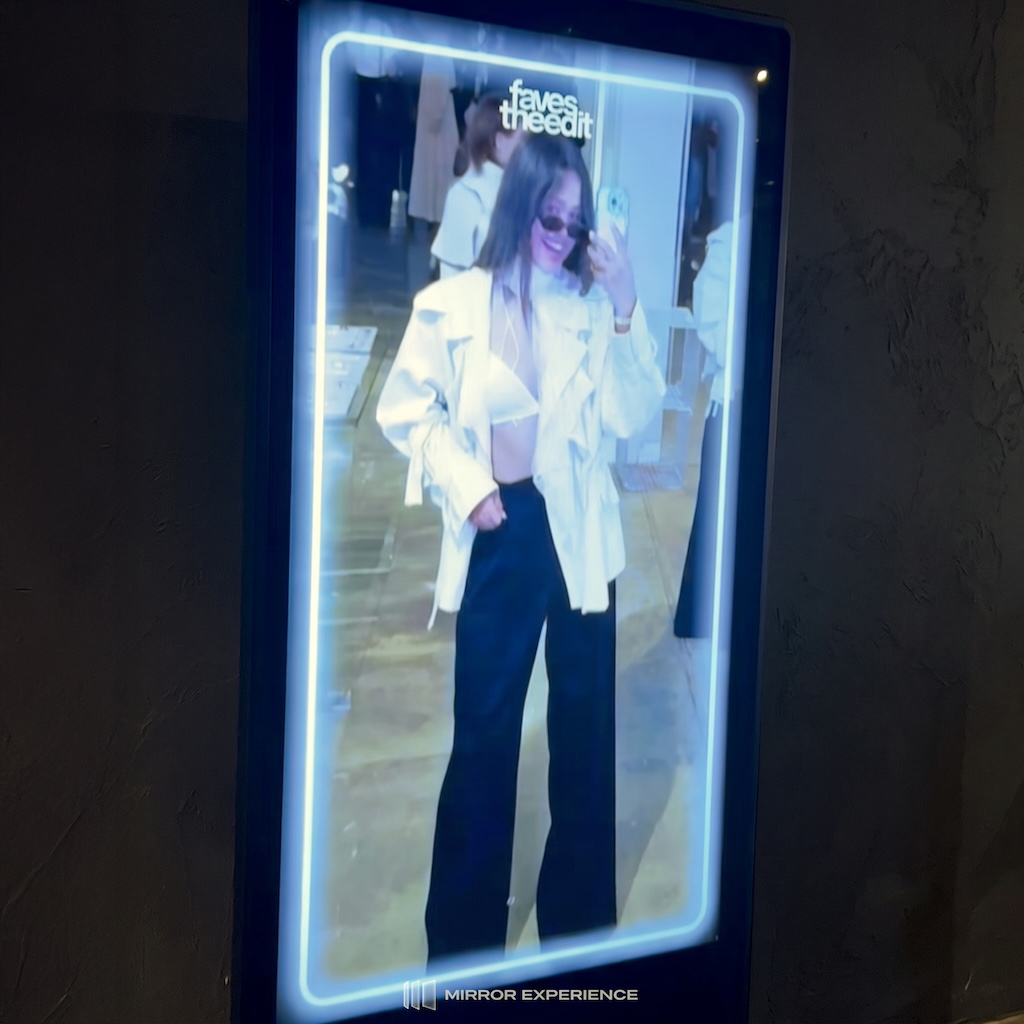
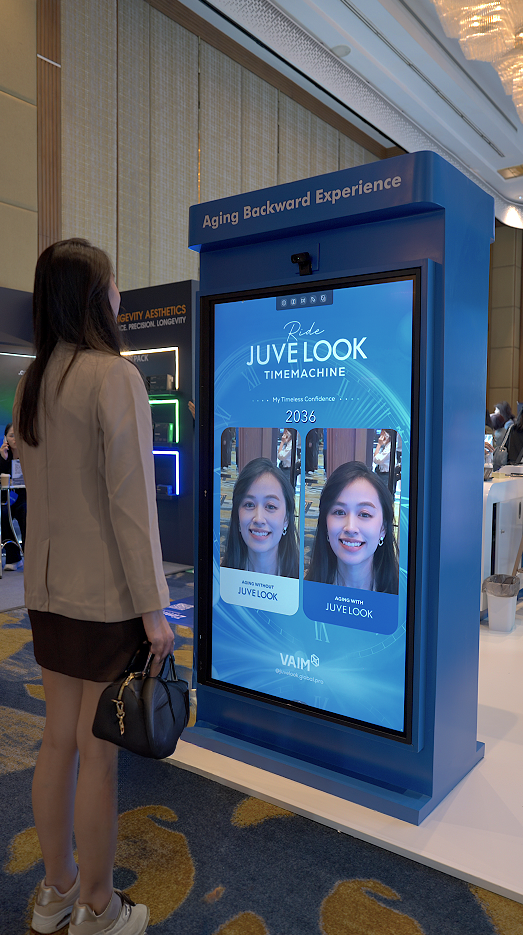
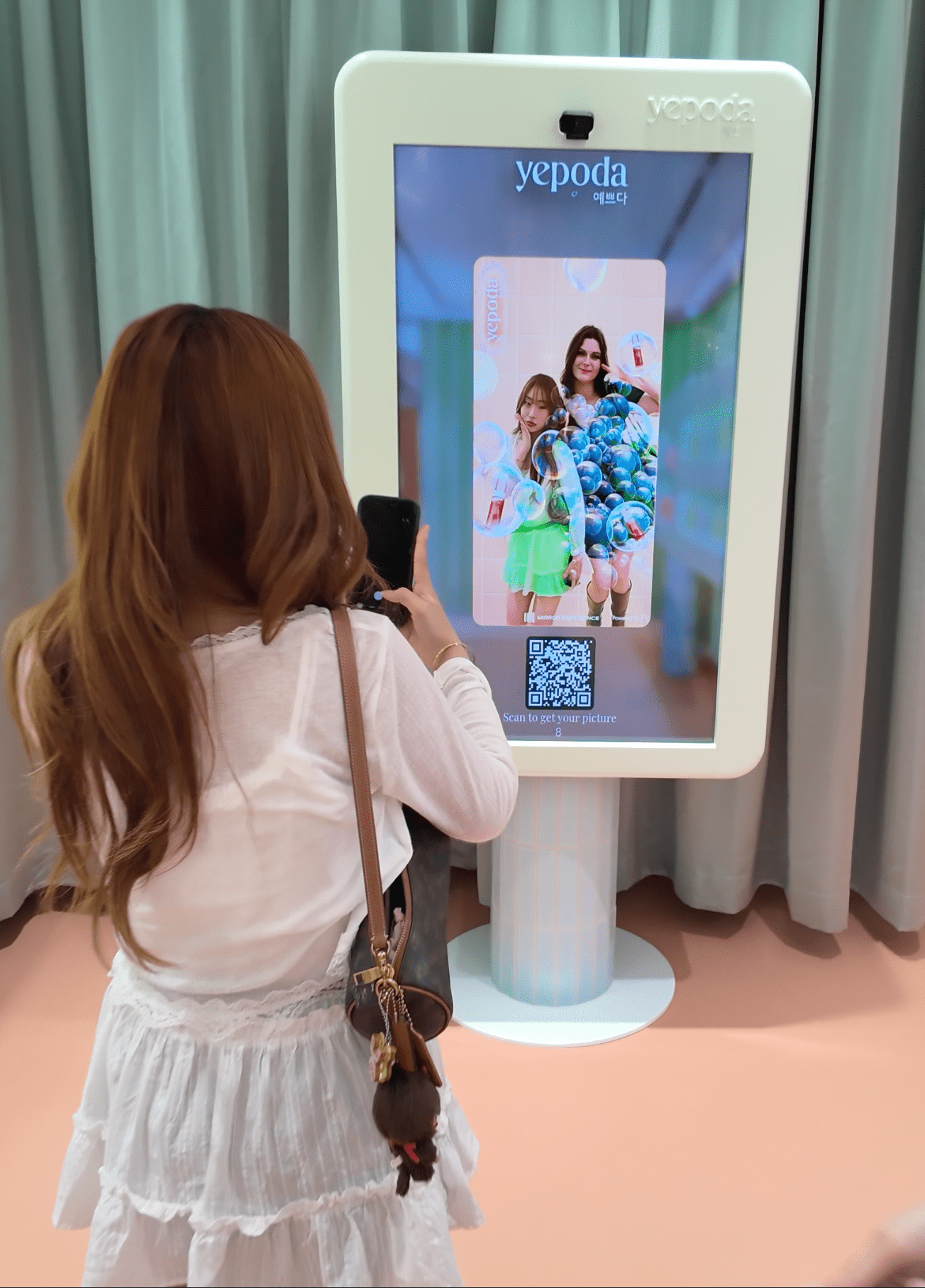
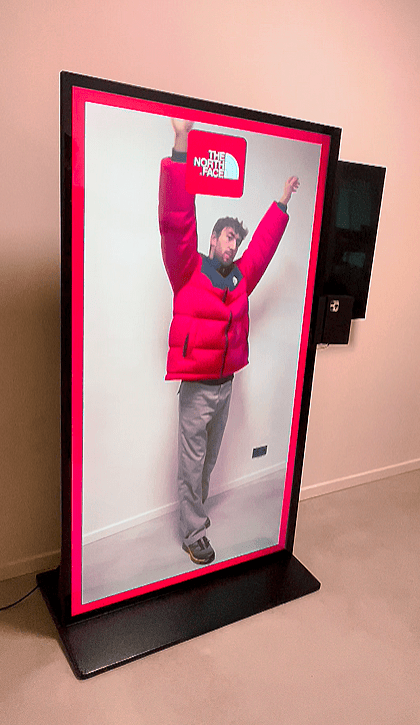
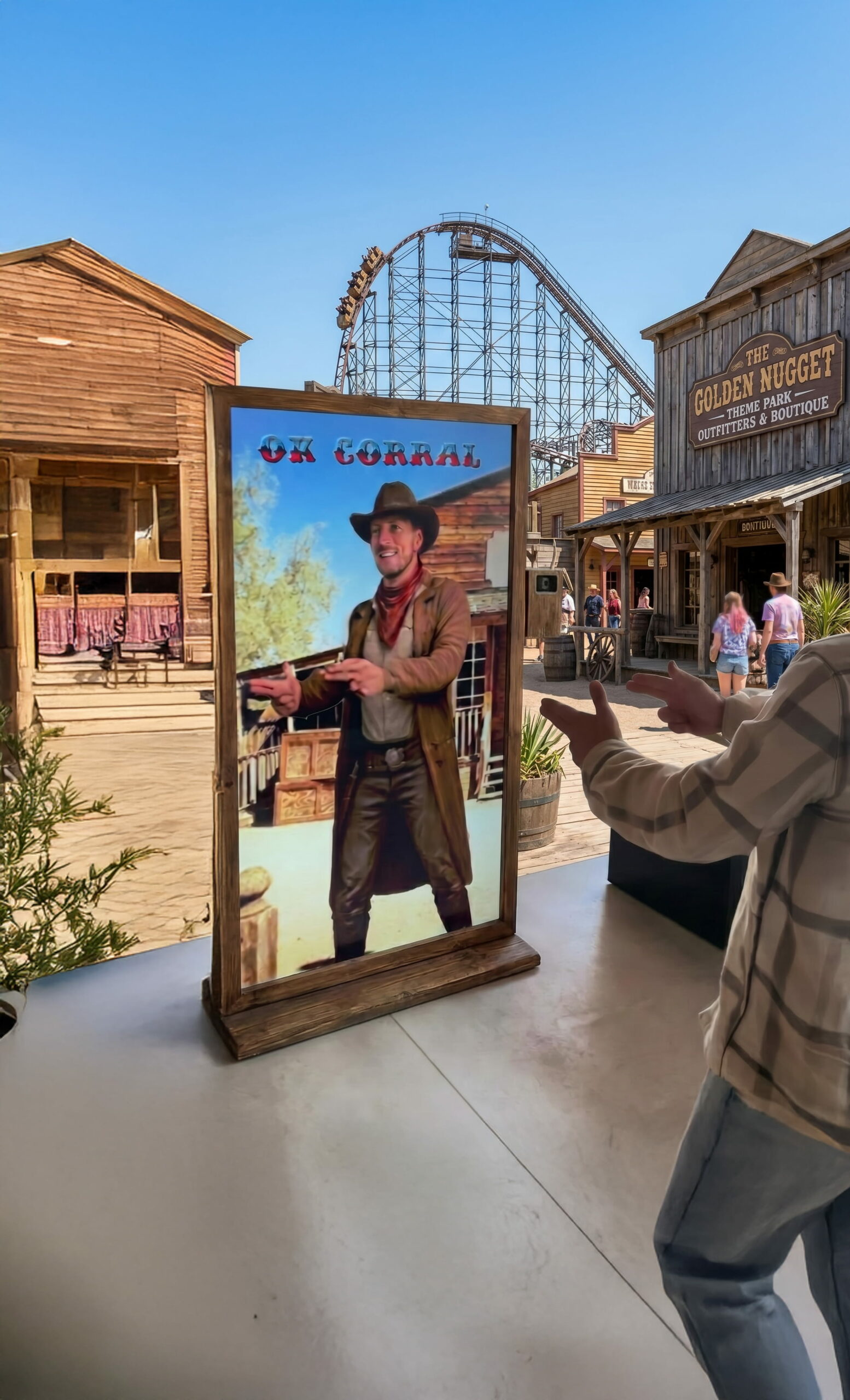
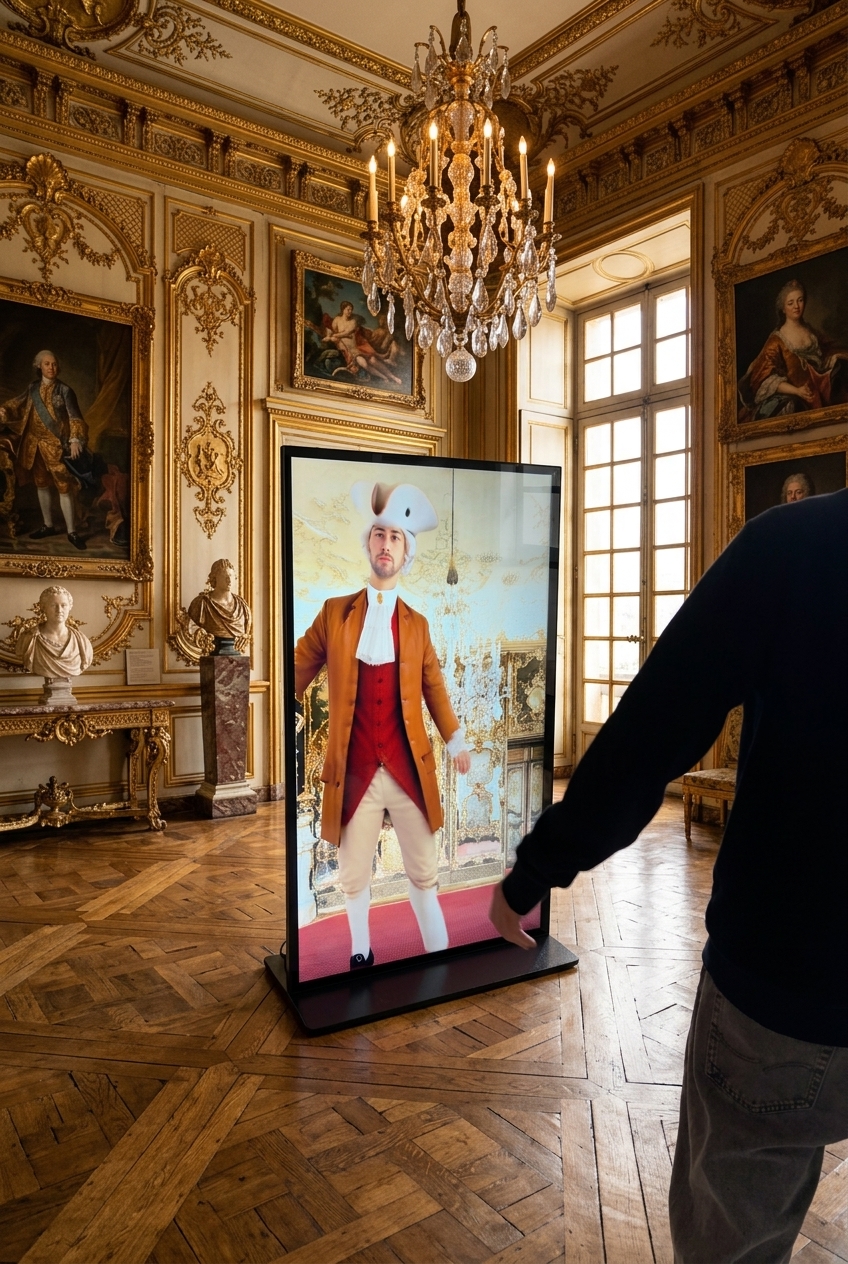
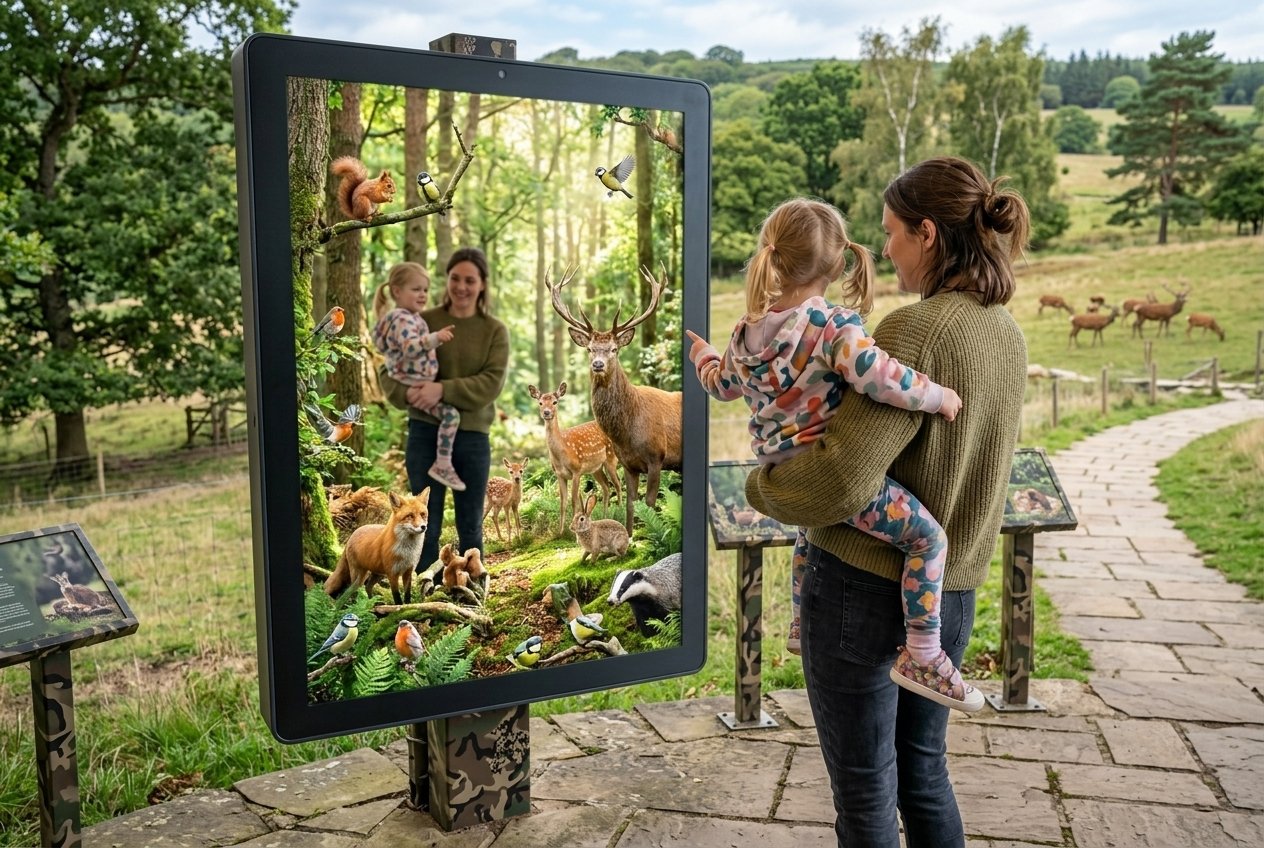
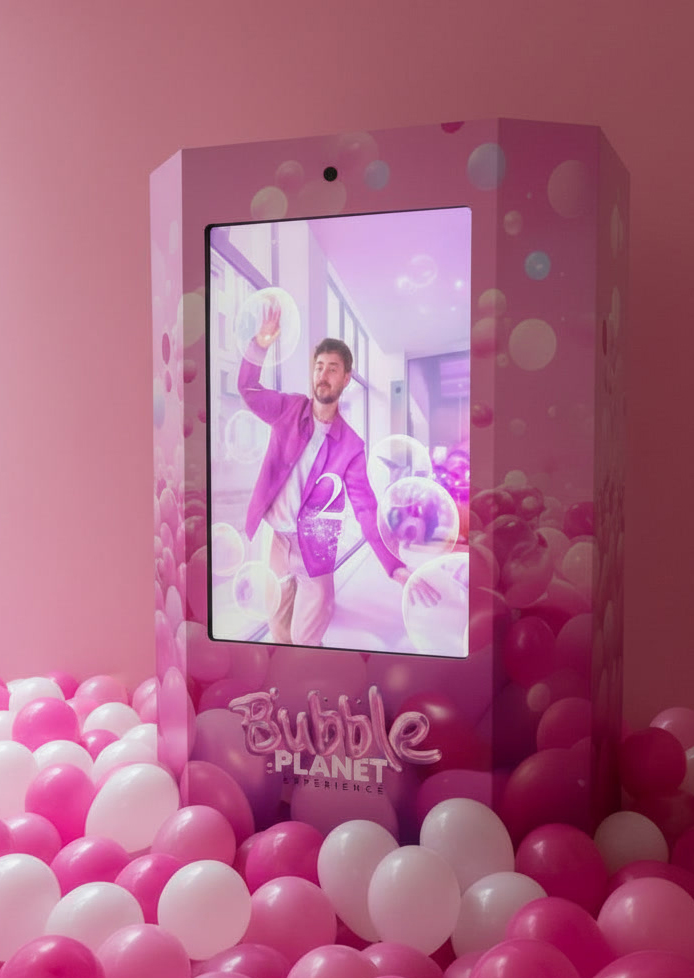
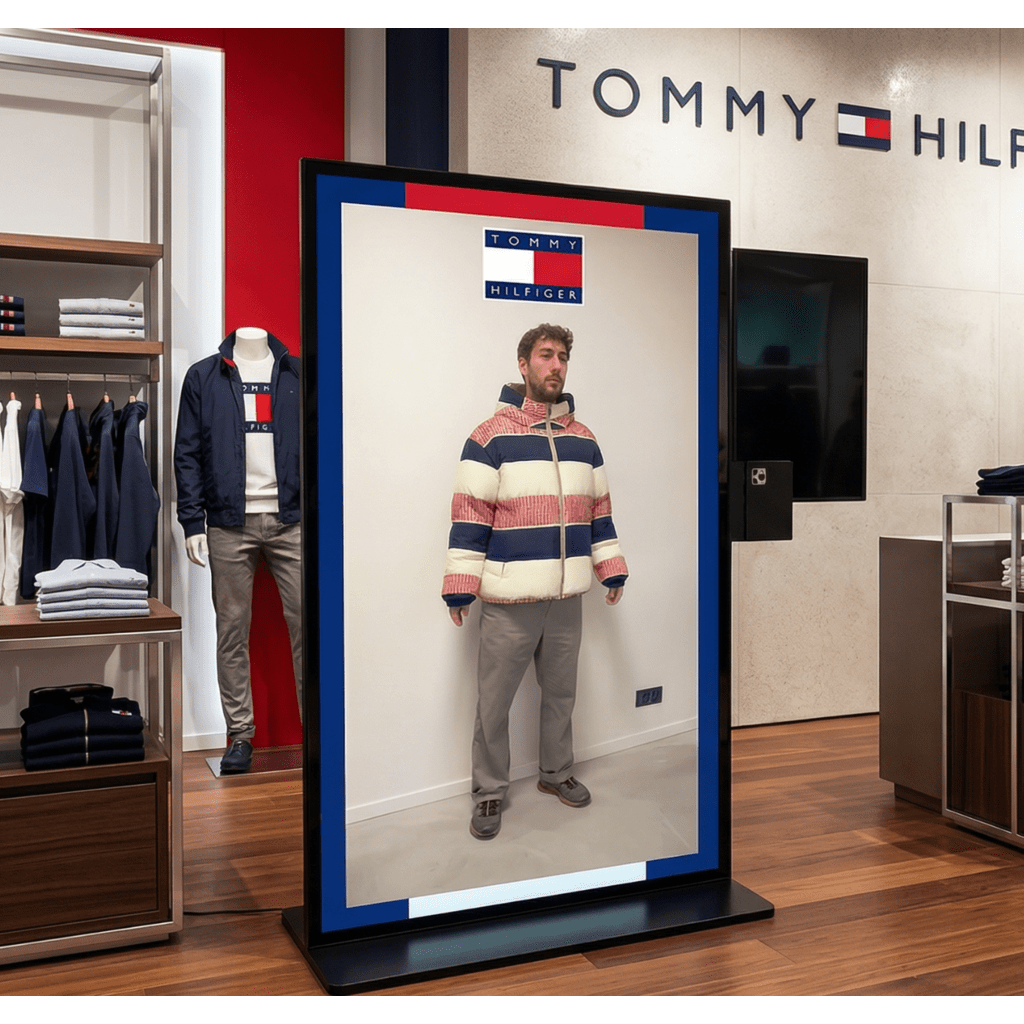
AR mirrors for museums, which is the Cosmodôme case: an exhibit that reacts to the visitor instead of waiting to be read. Immersive rooms built around LED and projection. AI mirrors for retail and events. And AR photo booths for festivals and activations.
Montreal is a bilingual market before it is anything else
A public-facing installation in Quebec has to work in French. Not as a toggle buried in a menu, but as the default a visitor meets. The Charter of the French Language, strengthened by Bill 96, makes French the required language of commercial display, and an interactive screen in a museum or a shop falls inside that. So the mirror ships bilingual, French first, with English a tap away. In practice this is good design anyway: a visitor who is spoken to in their own language stays longer.
That has a content cost, not just an interface cost. Prompts, generated voice, on-screen text and the print layout all exist twice, and the French is not a translation of the English. It is written for the market. Anyone quoting you a bilingual build as an English build plus a translation pass has not done this before.
What a Quebec winter does to an installation
Cold is the obvious part. Minus twenty and below is normal, and a crate that sits on a loading dock for an afternoon in January is a crate that may not power on the same day. We plan delivery inside the building rather than at the kerb, and we let units reach room temperature before commissioning them.
The less obvious part is what visitors bring in. Boots, salt, slush on the floor, and coats that have to come off before anyone tries a garment. A winter in Montreal changes the content of a try-on experience as much as it changes the hardware spec.
Electrical supply is 120 volts on Type A and B sockets, so our units are configured for North America rather than adapted with an external transformer. Certification follows the Canadian requirements, and cross-border shipping needs its own paperwork and its own lead time. All of it is routine. None of it is fast.
The Cosmodôme project, and what a long engagement looks like
The Cosmodôme brief was not a mirror with a filter on it. It was an exhibit: a Mars surface, an astronaut driven by head tracking, a visitor who becomes part of the scene, and a share at the end. That kind of build has more in common with exhibit design than with retail technology, and it is why a museum project runs on a different clock from a shop launch.
Running since 2022 also says something about the model. The hardware is the easy part to keep alive; the content is what needs revisiting, because a visitor who came two years ago should not see the same thing. That is the argument for a software licence rather than a one-off purchase: the exhibit stays current without a new capital project.
Who buys this in Montreal
Museums and science centres, including institutions that need a bilingual exhibit. Retail on Sainte-Catherine or in a mall where something has to compete with a phone. Festivals and event producers, of which this city has more than its size suggests. Brands launching in Quebec who need French done properly rather than added later.
B2B only. No weddings, no private parties, no consumer rentals.
Cost and timeline
| Item | Range |
|---|---|
| Software licence, our real-time AI stack | from 8,000 EUR |
| Hardware, screen size and structure dependent | +1,000 to +5,000 EUR |
| Complete permanent installation, 75 inch vertical, shipping and commissioning | around 20,000 EUR |
| Brief to live | 2 to 4 weeks |
North American shipping and certification sit outside that range, and a fully bespoke exhibit build is quoted on its own. A museum project with custom content is not the same object as a retail install, and we price it accordingly.
See the mirror running
Filmed on site, our own hardware and our own software. No render, no post-production overlay.
Questions from Montreal clients
Is French included or extra? Included. Bilingual is our default for Quebec, not an option.
Can the exhibit change over time? Yes, and it should. Content updates run remotely, so a seasonal change does not need a site visit.
Does it need a technician on site? No. A staff member can switch it on and off. We handle the rest remotely and visit when something physical needs attention.
Can you work with our exhibit designer? Yes, and early is better. A mirror designed into the room from the start costs less than one integrated afterwards.
What is the lead time from Europe? Two to four weeks for the build, plus shipping and customs. Tell us the opening date and we will work backwards from it.
Let’s talk about your Montreal project
Send the venue, the room and the opening date. We will come back with what the space allows, what the bilingual build adds, and a timeline that accounts for the border. The pilot is free.