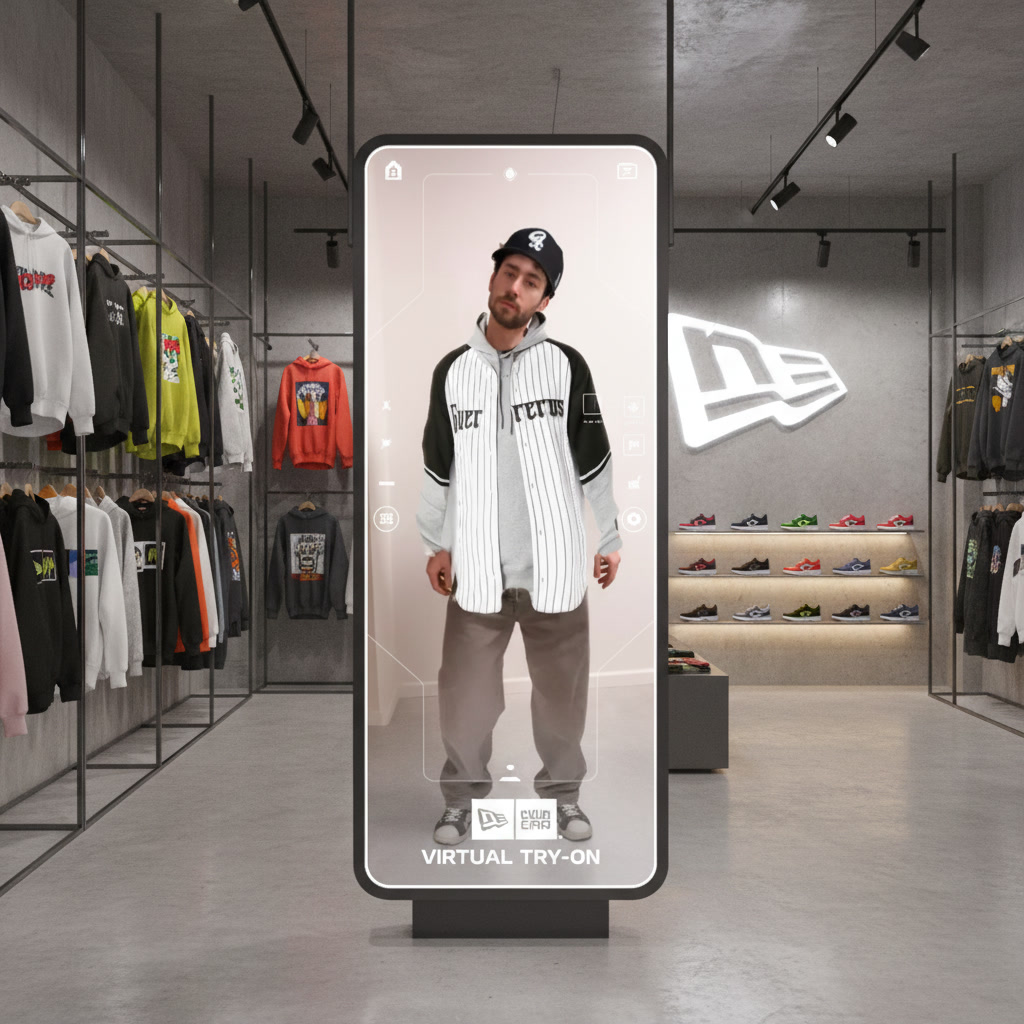
AI mirror installation in New York
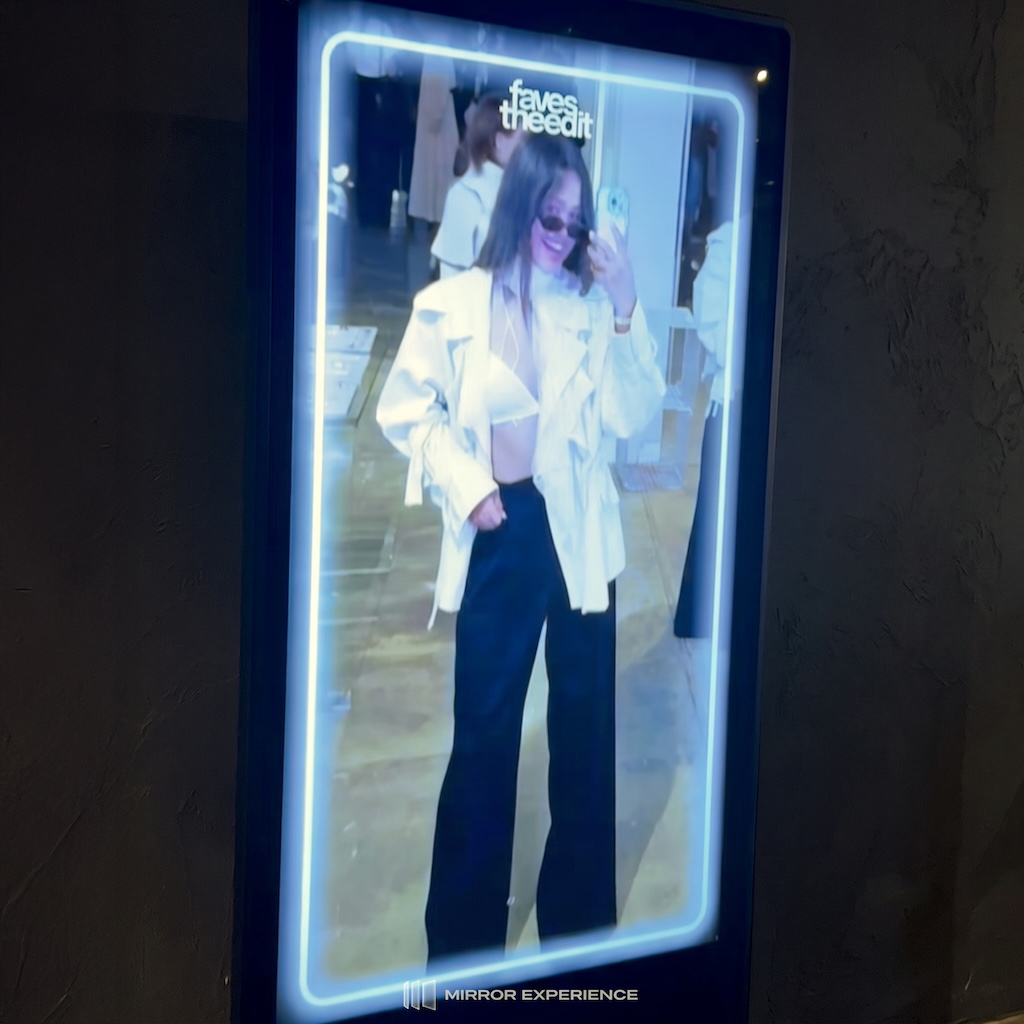
We ran an AI try-on mirror for an event during New York Fashion Week, the same build we later took to London with Faves The Edit. New York is the hardest city in our list to install in, and it has nothing to do with the technology. It is the freight elevator, the union call sheet and the permit that closes a street.
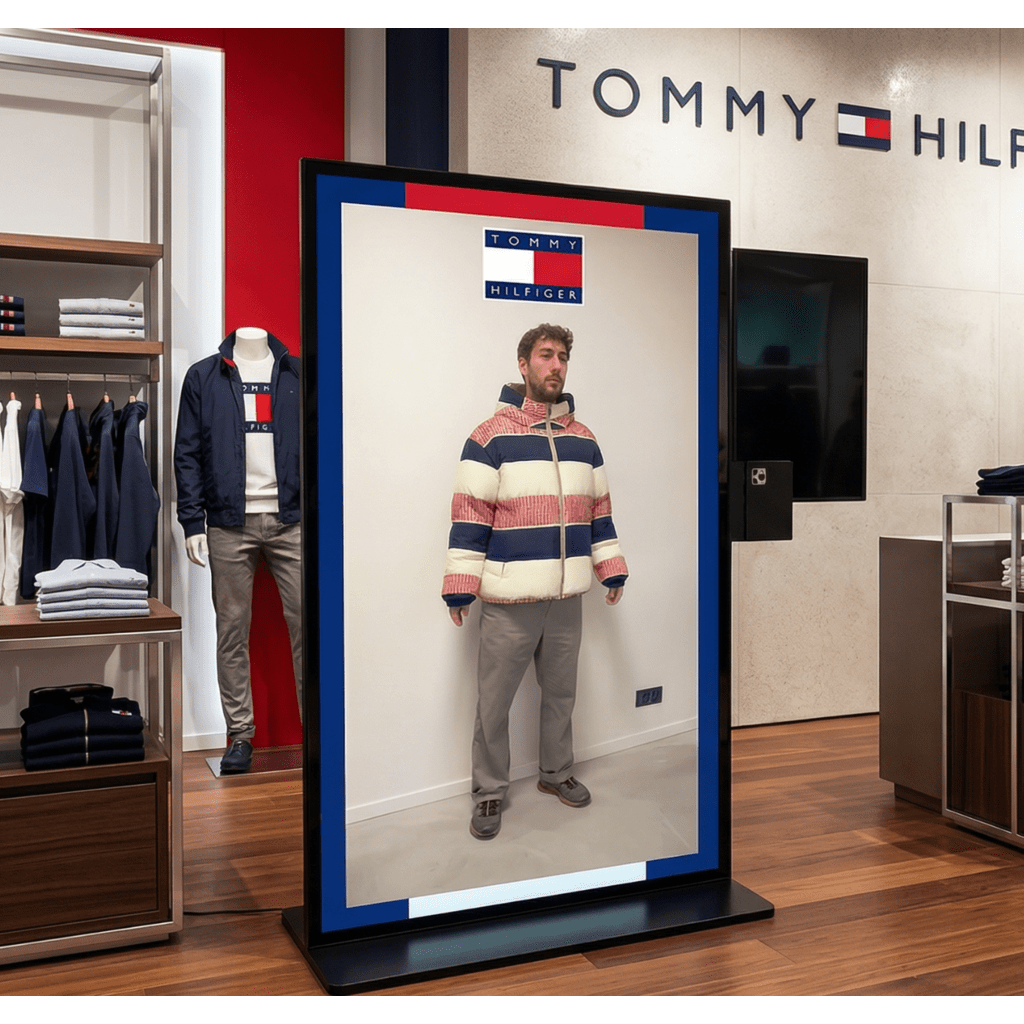
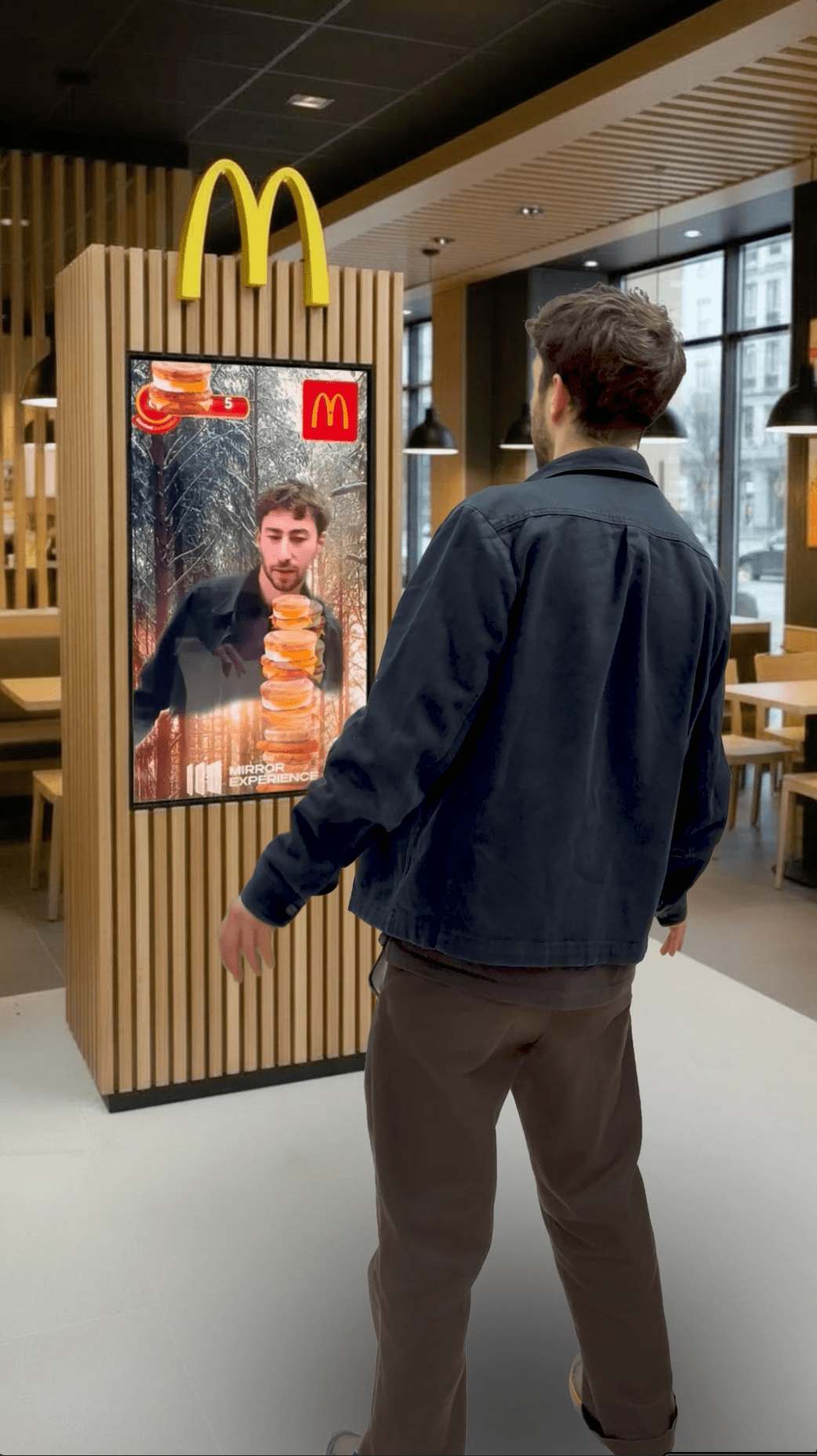
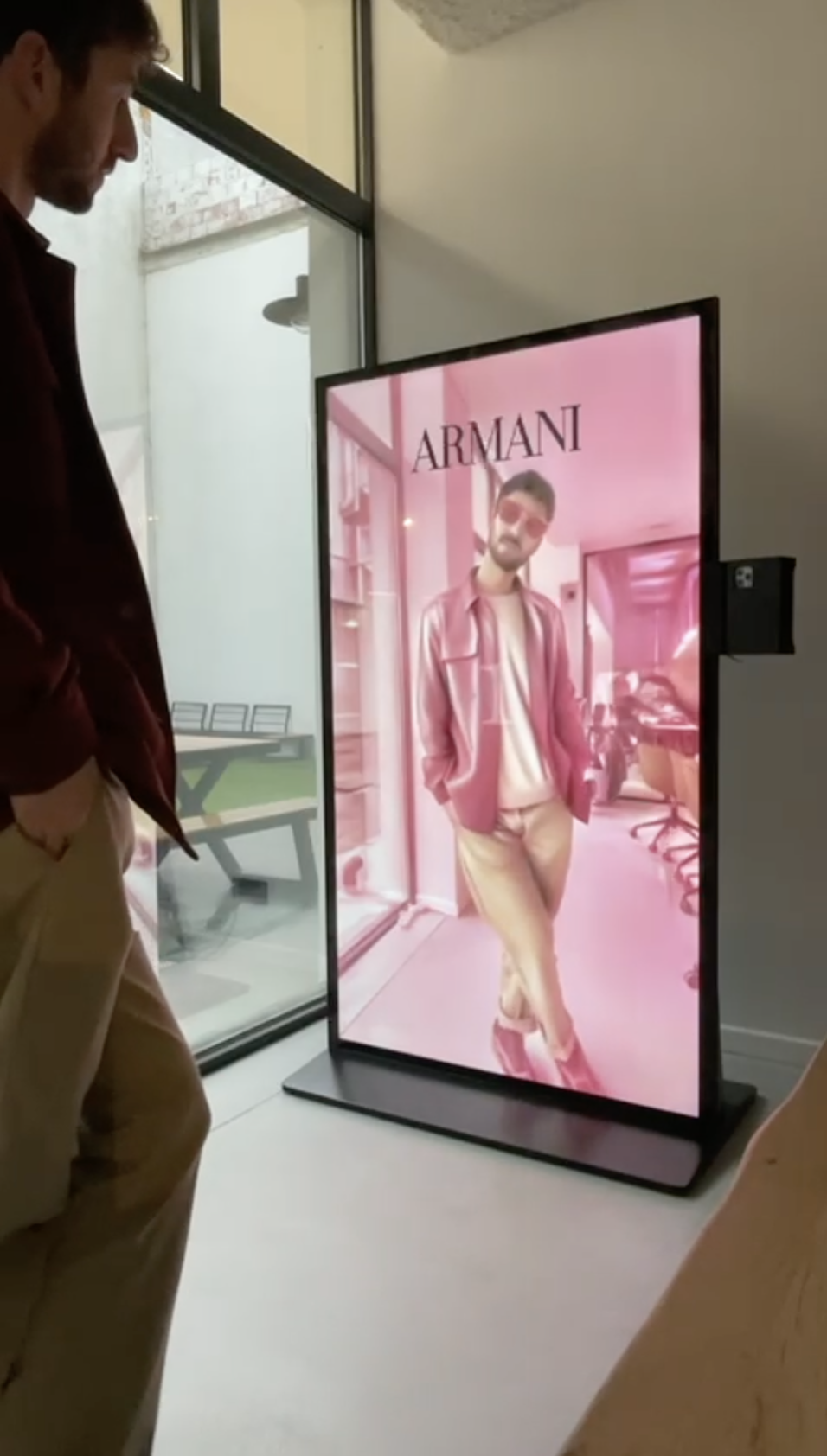
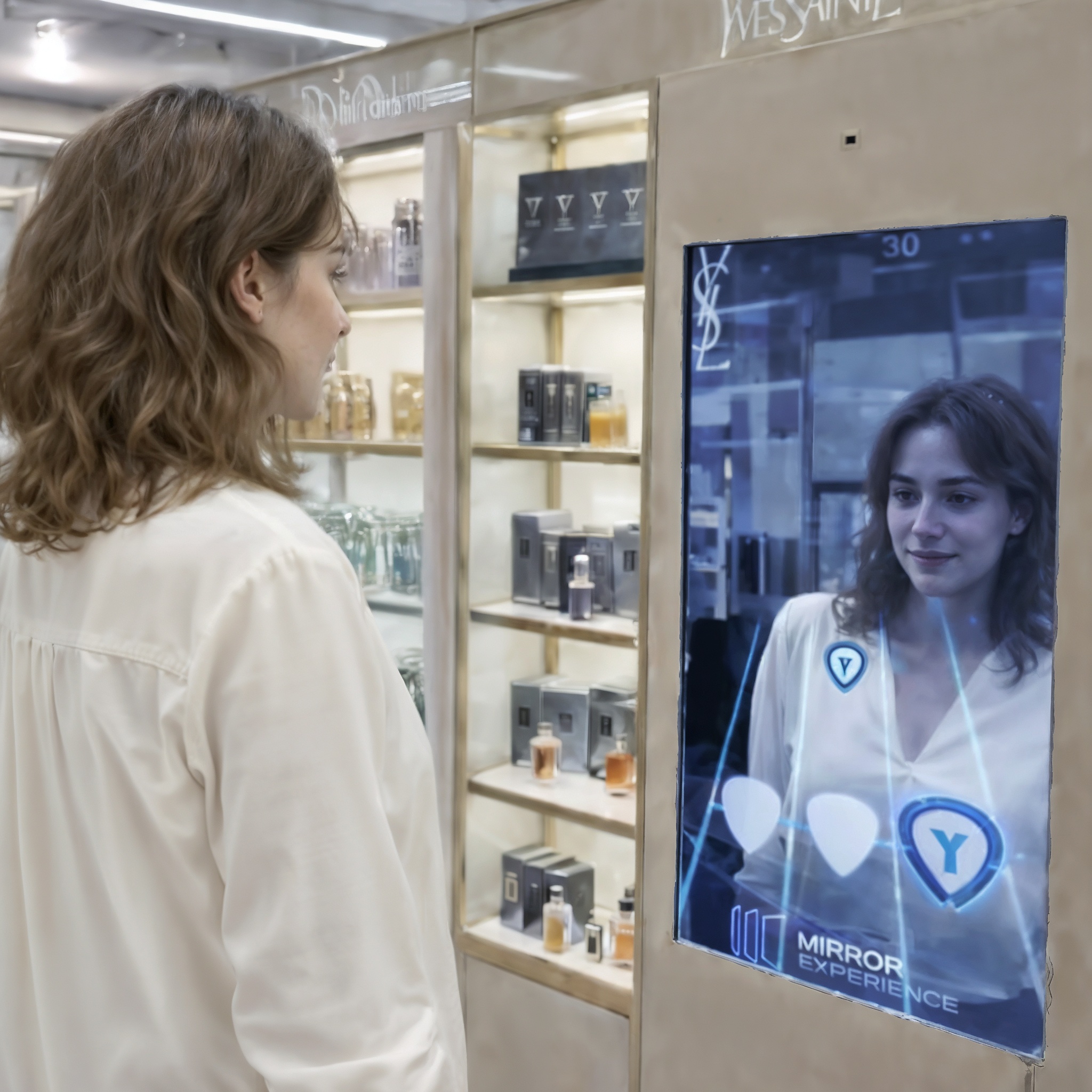
The short version. Real-time generative try-on at 25 fps, built to survive a fashion week schedule. Software from 8,000 EUR, hardware 1,000 to 5,000 EUR on top. Free pilot, two to four weeks from brief to live, union crews and permits included in the plan.
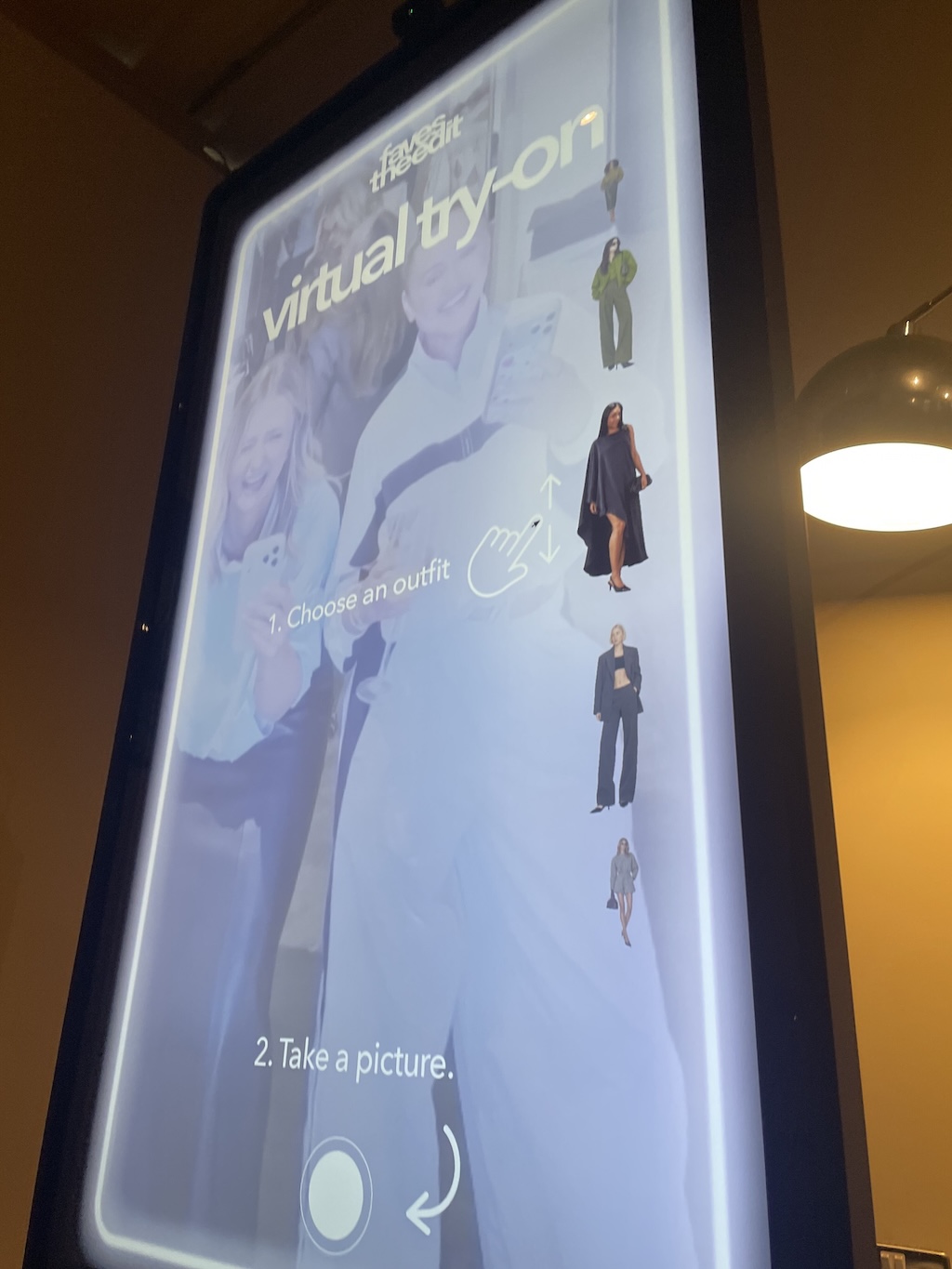
What we install in New York
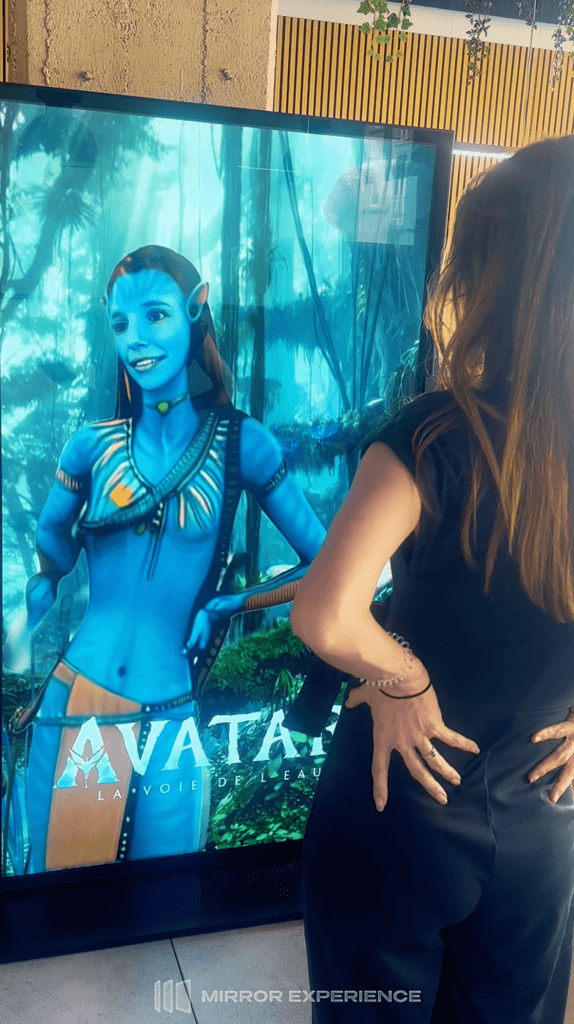
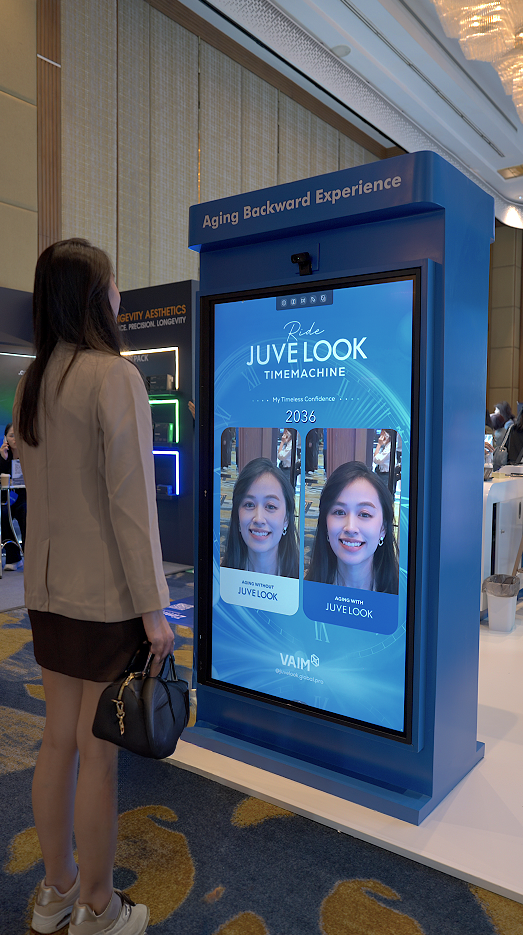
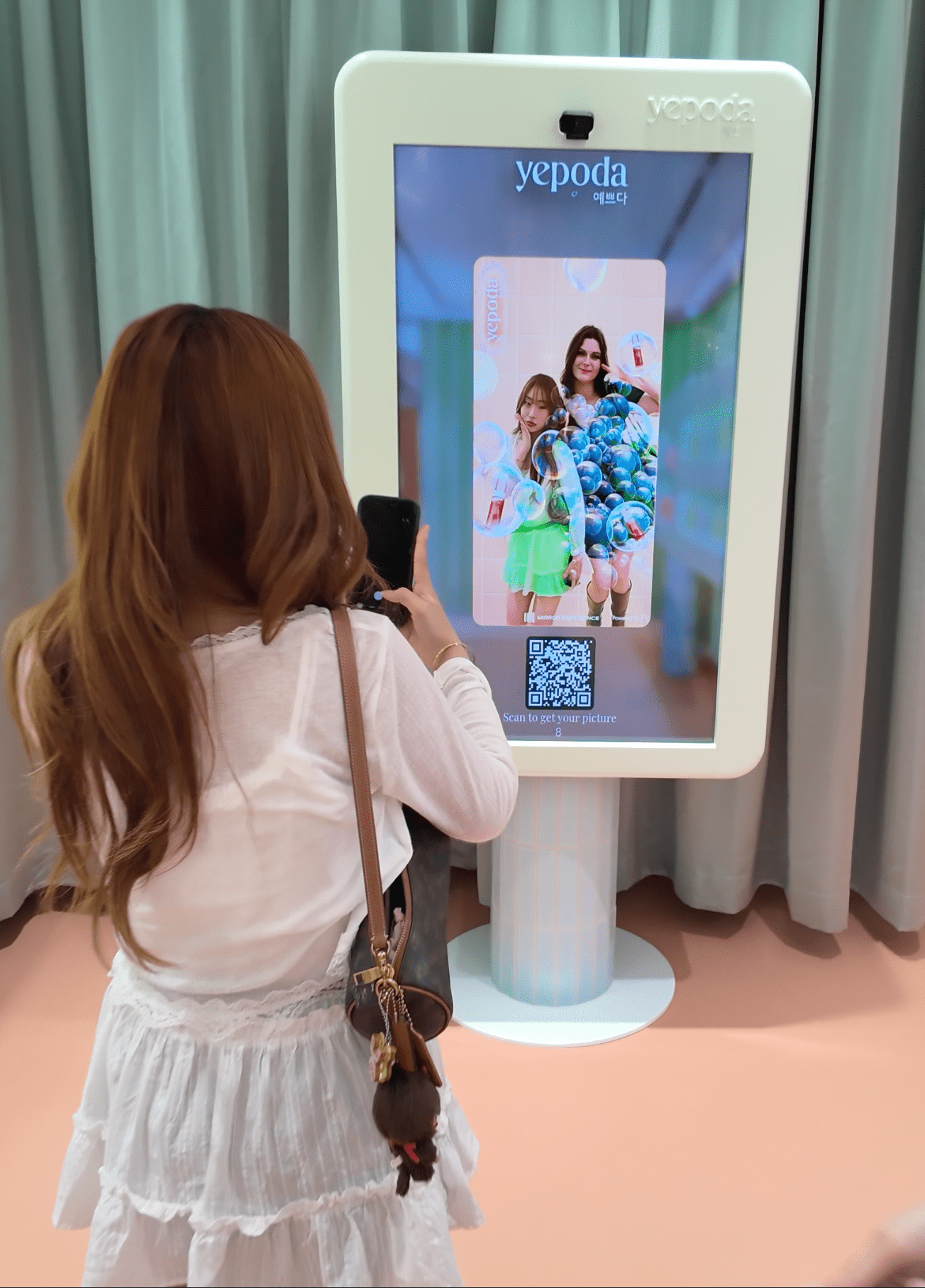
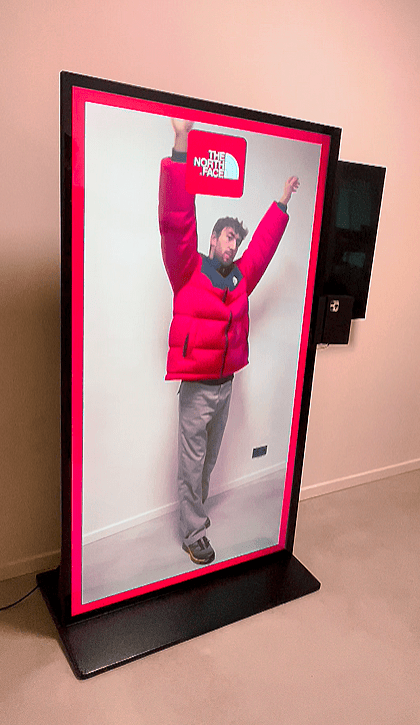
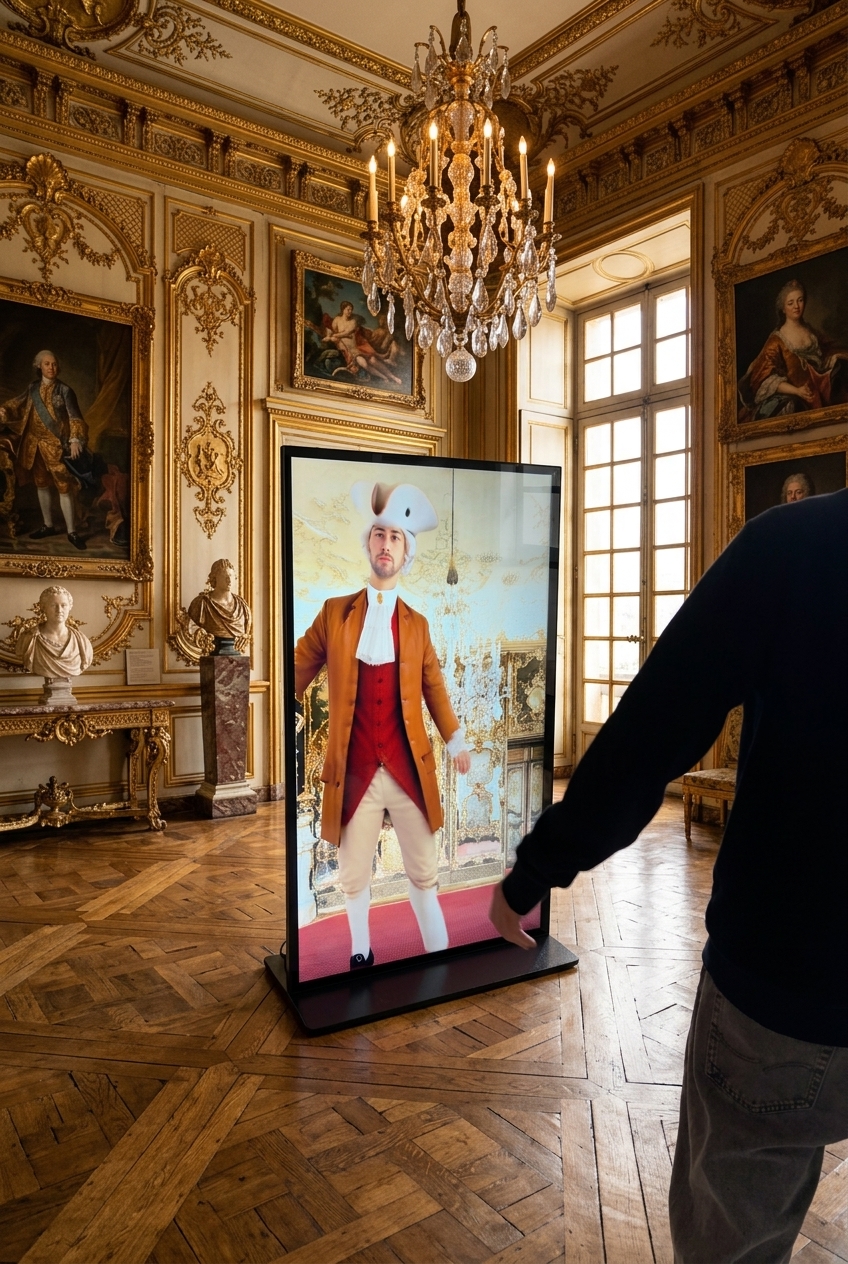
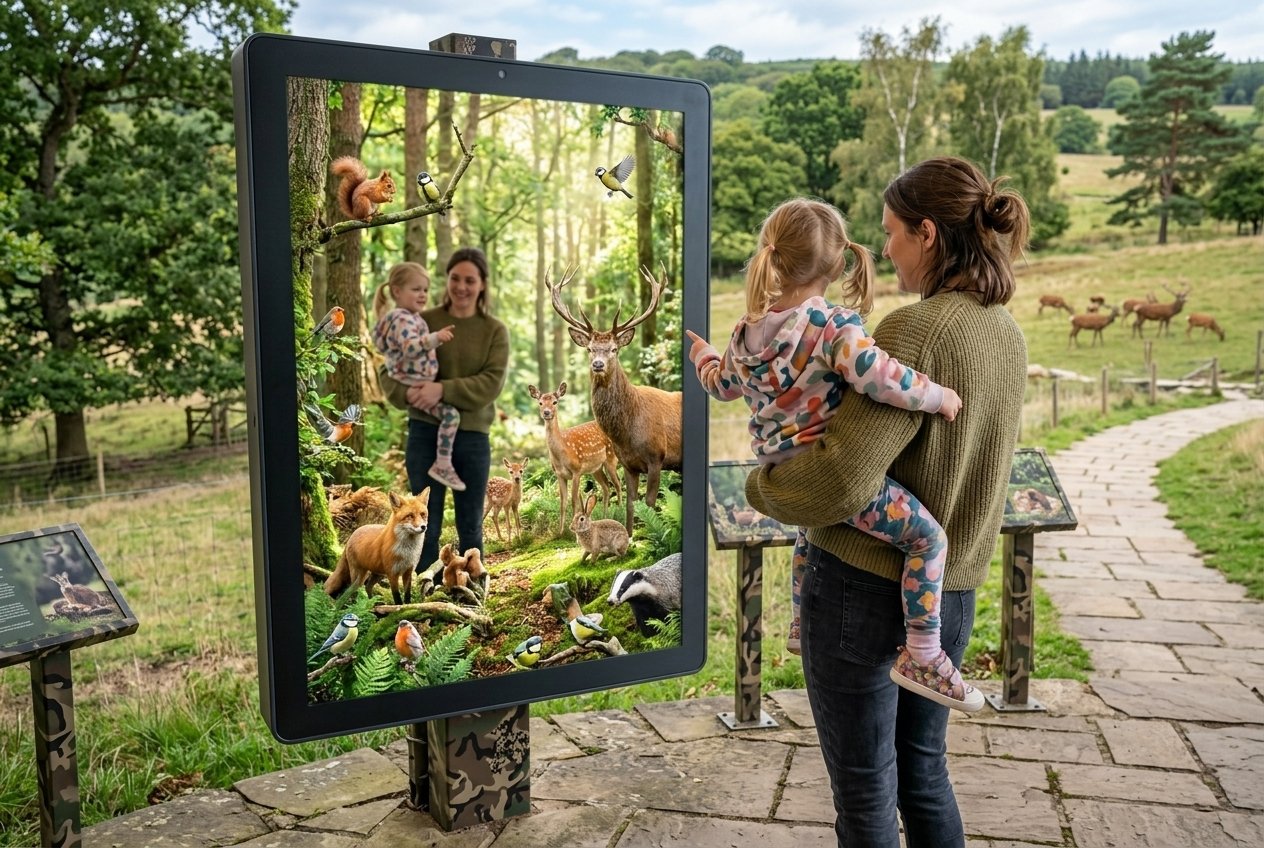
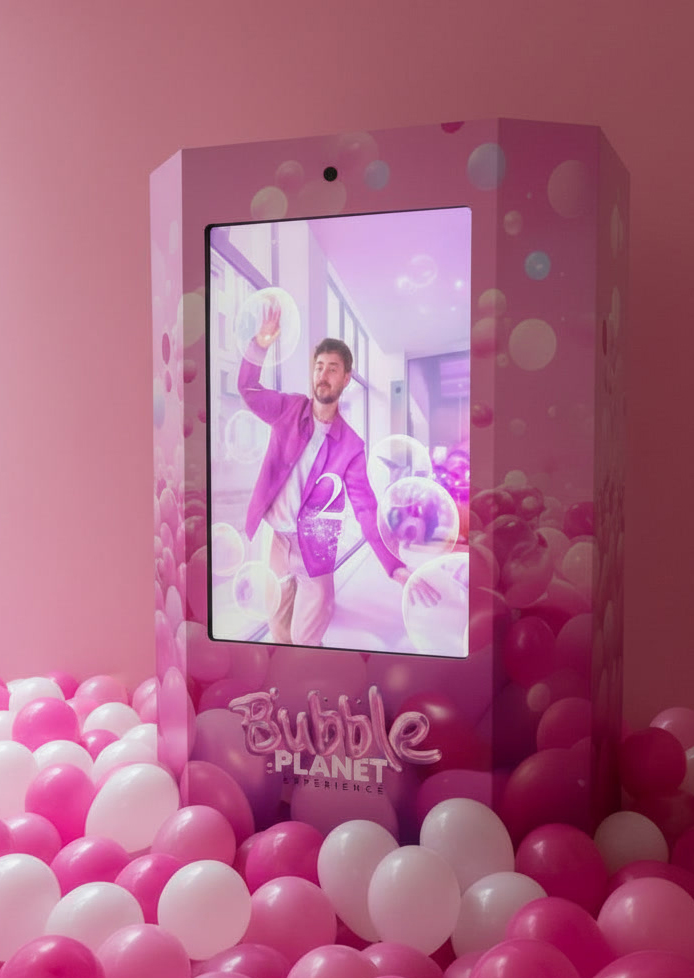
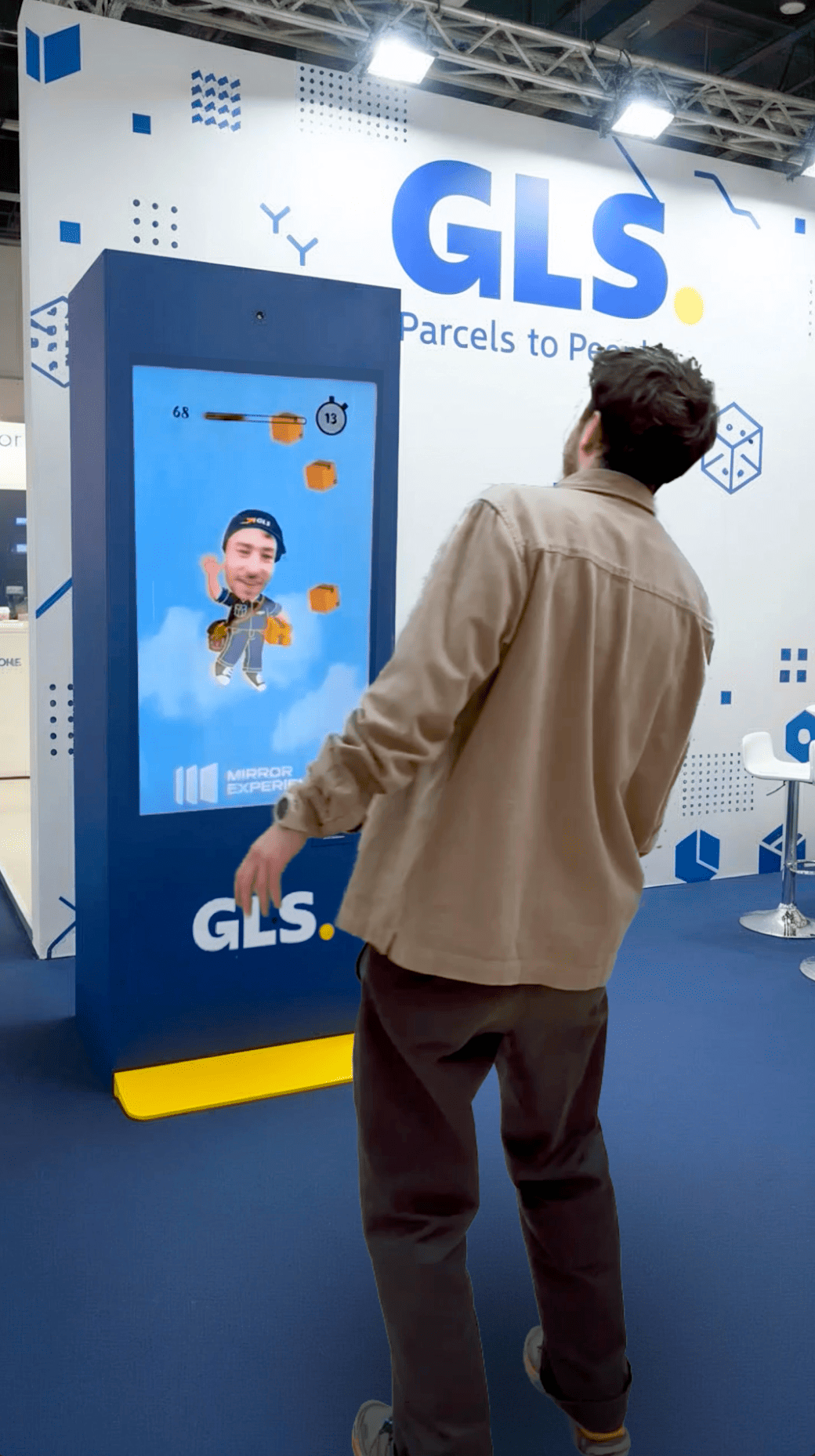
AI mirrors for fashion week events and showrooms. Virtual try-on for fashion retail, which is the core use here: put a garment on someone without a fitting room, in a space with no room for one. AR mirrors for retail flagships. And interactive walls for museums and cultural venues.
New York logistics decide the schedule, not the software
Start with the building. Much of Manhattan retail sits in pre-war stock, and the freight elevator is the narrowest gate in the project. A 75 inch crate on a pallet does not go through a passenger lift, and a co-op or a landlord will not let you carry it up the stairs. We ask for the freight elevator dimensions and its booking rules before we quote, because the answer sometimes changes the screen size. Better to learn that in the quote than on the sidewalk at seven in the morning.
Then the crews. A union venue means a call sheet with the right departments, at the right rate, and a minimum number of hours even if the job takes ninety minutes. That is not an obstacle, it is a cost line. It appears in our quotes for New York and it does not appear in quotes for Paris or Milan, which is one reason the two cities are not comparable line by line.
Then the street. Anything that touches the sidewalk needs a permit from the city, and the police department has its own rules if the activation makes sound. A brand that decides in August to do something outside a SoHo store in September is already late, not because of us but because of the permit queue.
The fashion week calendar does not move
Fashion week is a fixed date. There is no version of the project where the opening slips a week. That has two consequences. The content has to be finished and loaded before the crates ship, because there is no quiet moment on site to build it. And the hardware has to be tested somewhere other than the venue, because the venue belongs to the show until the moment it belongs to you.
For the New York event we ran the same build that later went to London. The mirror handled a stream of visitors in a defined window, and the QR handoff mattered more than any single effect: in a crowded room, a visit that ends in fifteen seconds keeps the queue moving, and a queue is what makes a mirror look busy instead of broken.
Winter adds a detail that is easy to forget. Guests arrive in coats. Asking someone to take off a winter coat to try a garment is a bigger ask in February than in September, and the content needs to work with what people are already wearing.
Who buys this in New York
Fashion brands showing during fashion week, or running a showroom around it. Beauty and fragrance brands with a counter or a pop-up. Retail flagships in SoHo, on Fifth Avenue or in the Meatpacking District. Museums and cultural institutions adding an interactive room. Agencies producing an activation who need the technical build handled rather than rented for a weekend.
No weddings, no private parties, no consumer rentals. B2B only.
Cost and timeline
| Item | Range |
|---|---|
| Software licence, our real-time AI stack | from 8,000 EUR |
| Hardware, screen size and structure dependent | +1,000 to +5,000 EUR |
| Complete permanent installation, 75 inch vertical, transport and commissioning | around 20,000 EUR |
| Brief to live | 2 to 4 weeks |
Union labour, permits and freight elevator bookings sit outside that range and depend on the venue. We list them as separate lines so nothing arrives as a surprise on the invoice.
See the mirror running
Both clips are our own hardware and our own software, filmed on site. No render, no post-production overlay.
Questions from New York clients
Can you work with our union venue? Yes. We work to the venue’s call sheet and rates. Tell us which venue and we will price it correctly the first time.
What is the tightest deadline you can take? For a fashion week event, contact us six weeks out. Two to four weeks is the build. The rest is permits and crew booking, and that is where the risk lives.
Can the mirror be moved between venues during the week? Yes, if it is specified as a temporary build with flight cases. Moving a permanent installation is a different job and the wrong one for a five day event.
Does it work in a low-ceiling space? Yes. Screen size and mounting are chosen for the room. A basement showroom and a double-height space need different answers.
Do you keep the garments confidential before a show? Yes. The AI runs locally on the machine next to the screen, and the assets do not leave the unit unless you export them.
Let’s talk about your New York project
Send the venue, the freight elevator dimensions and the date. We will come back with what fits, what the building and the calendar will make difficult, and a quote that separates the technology from the city. The pilot is free.