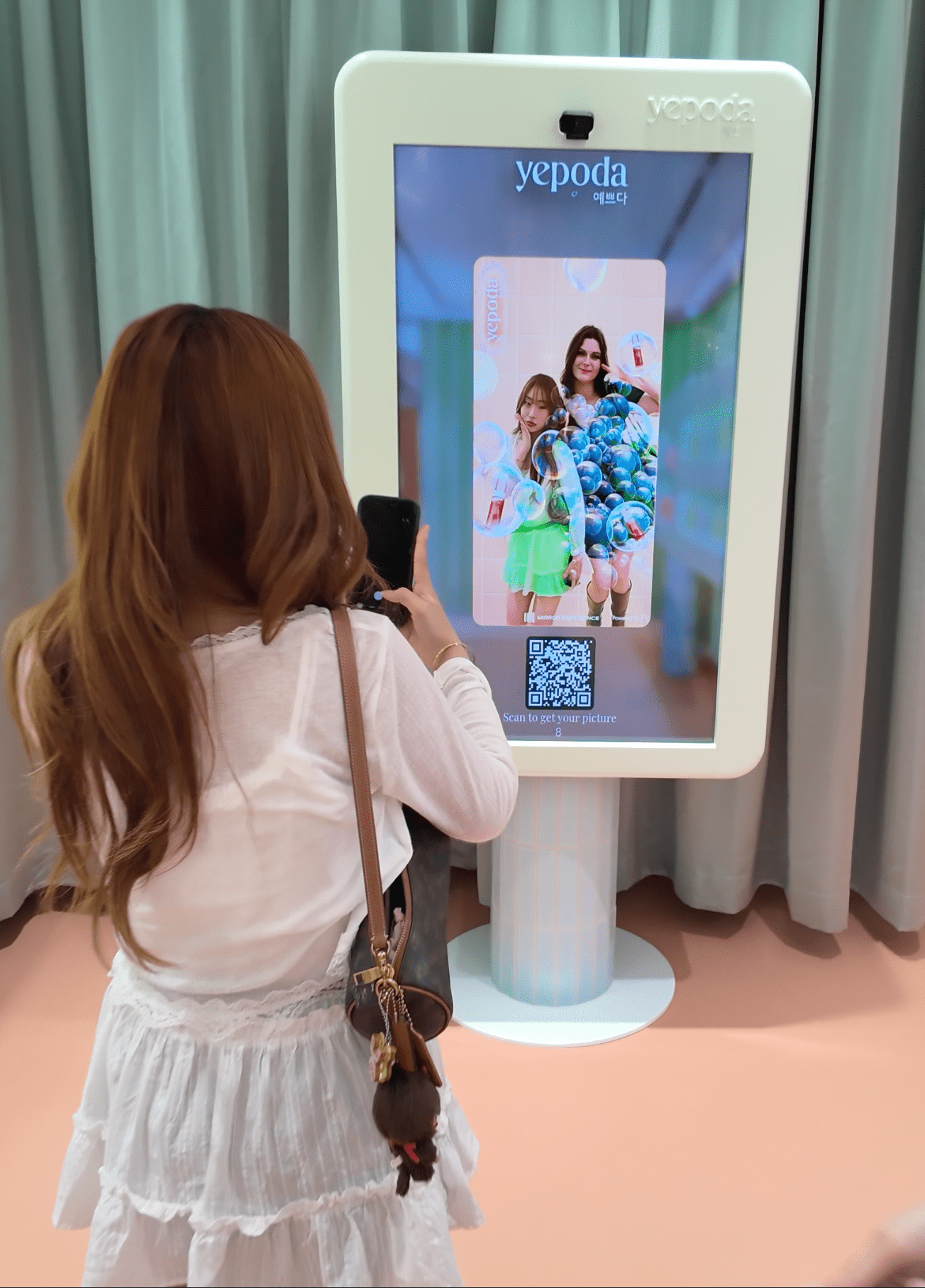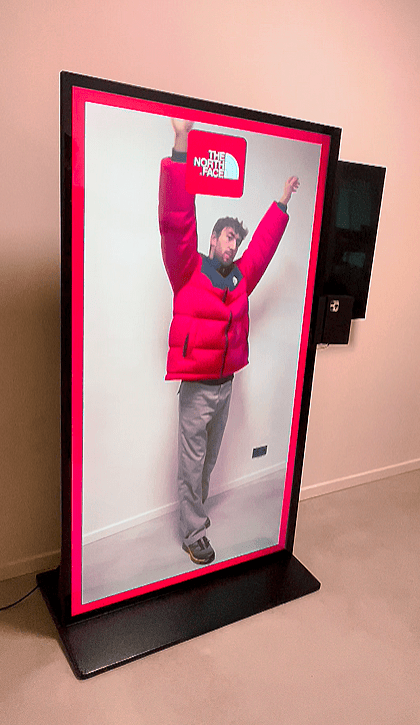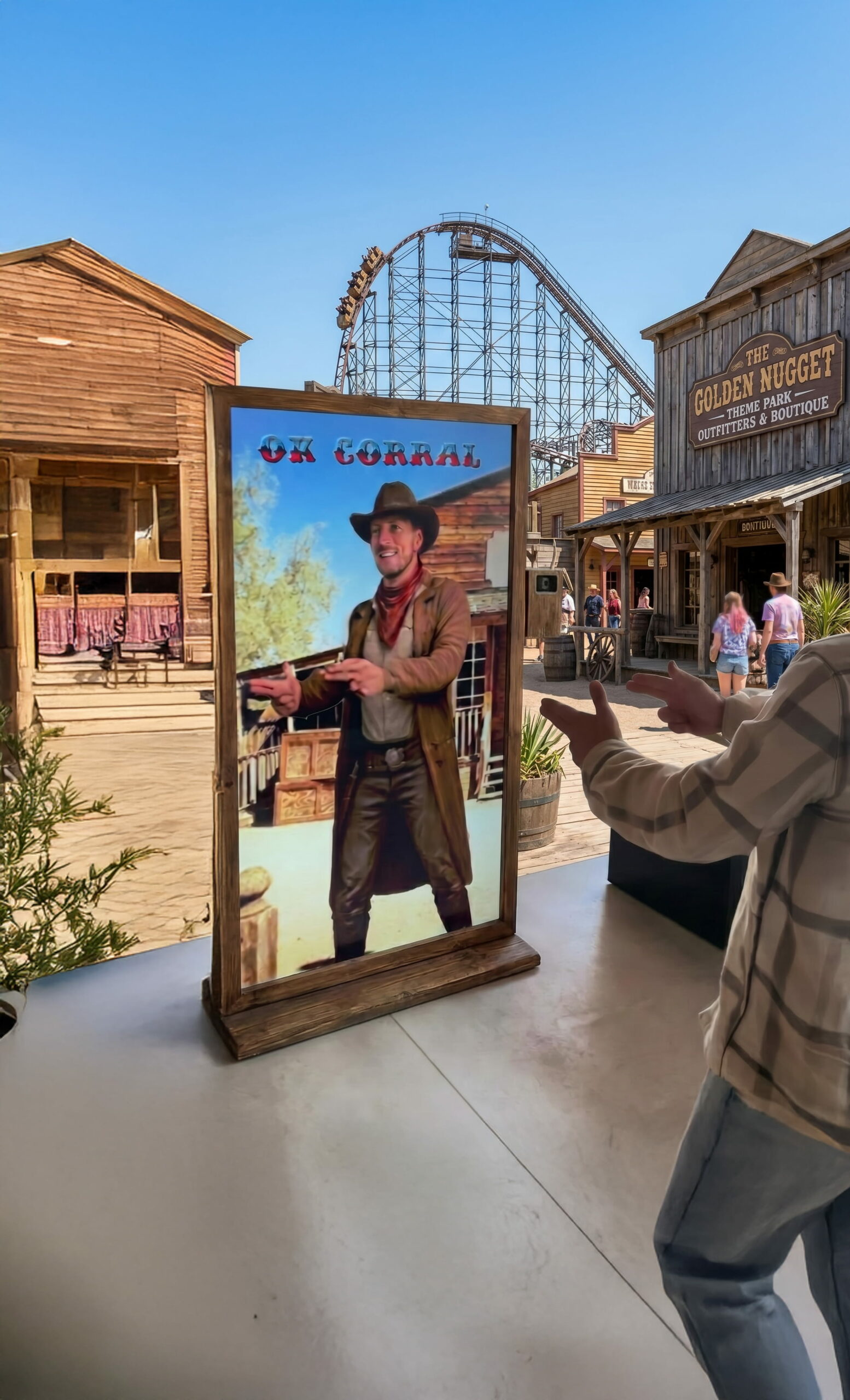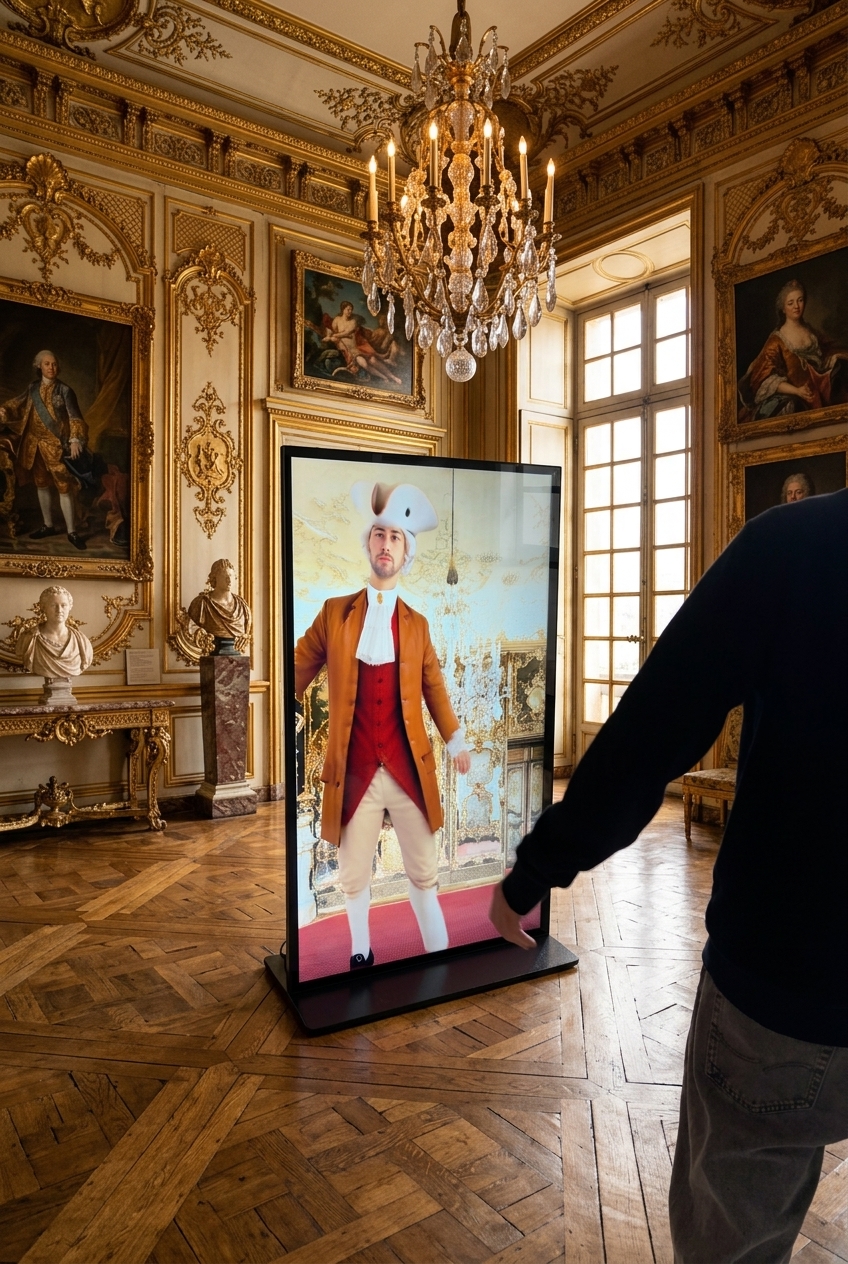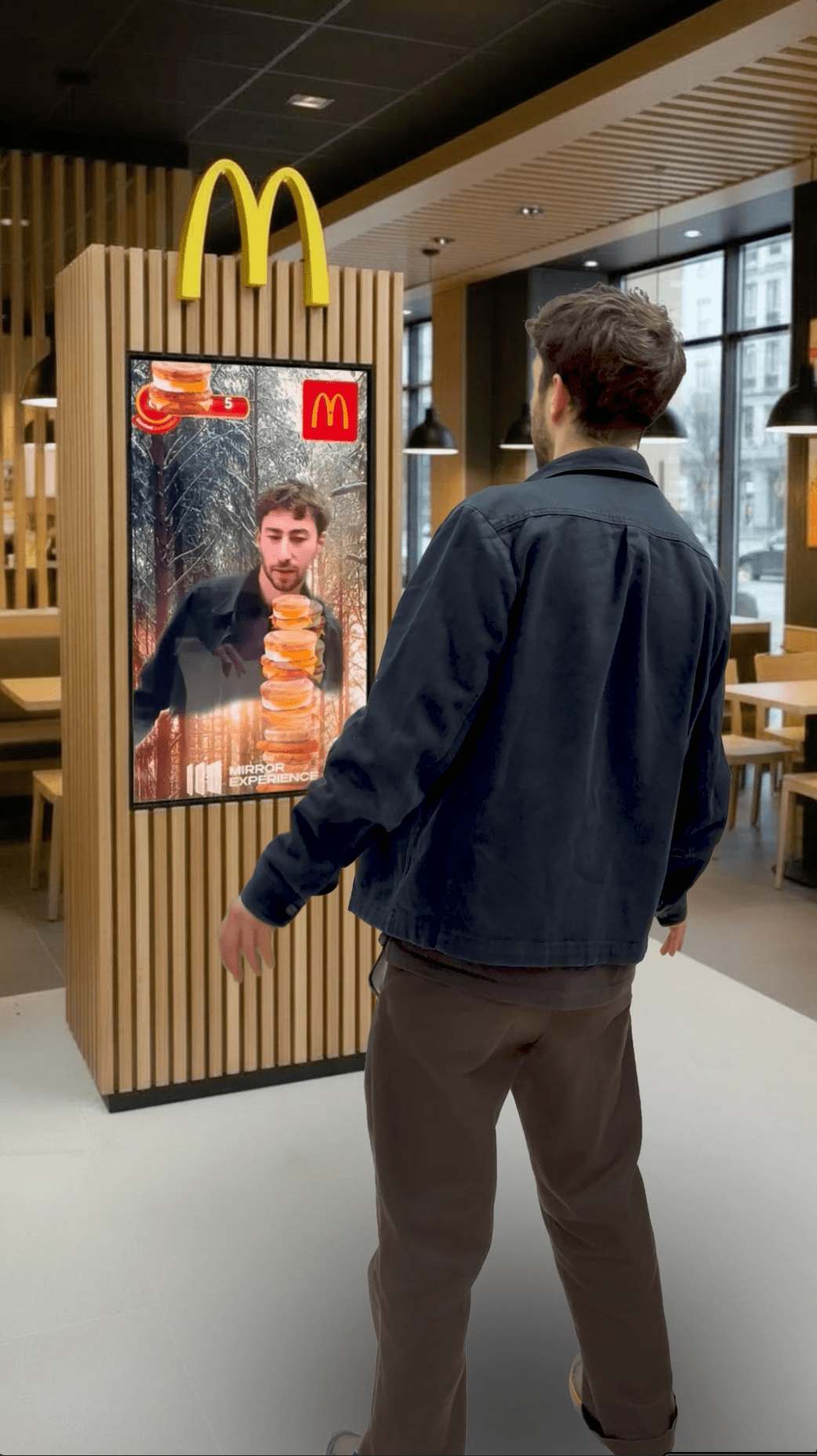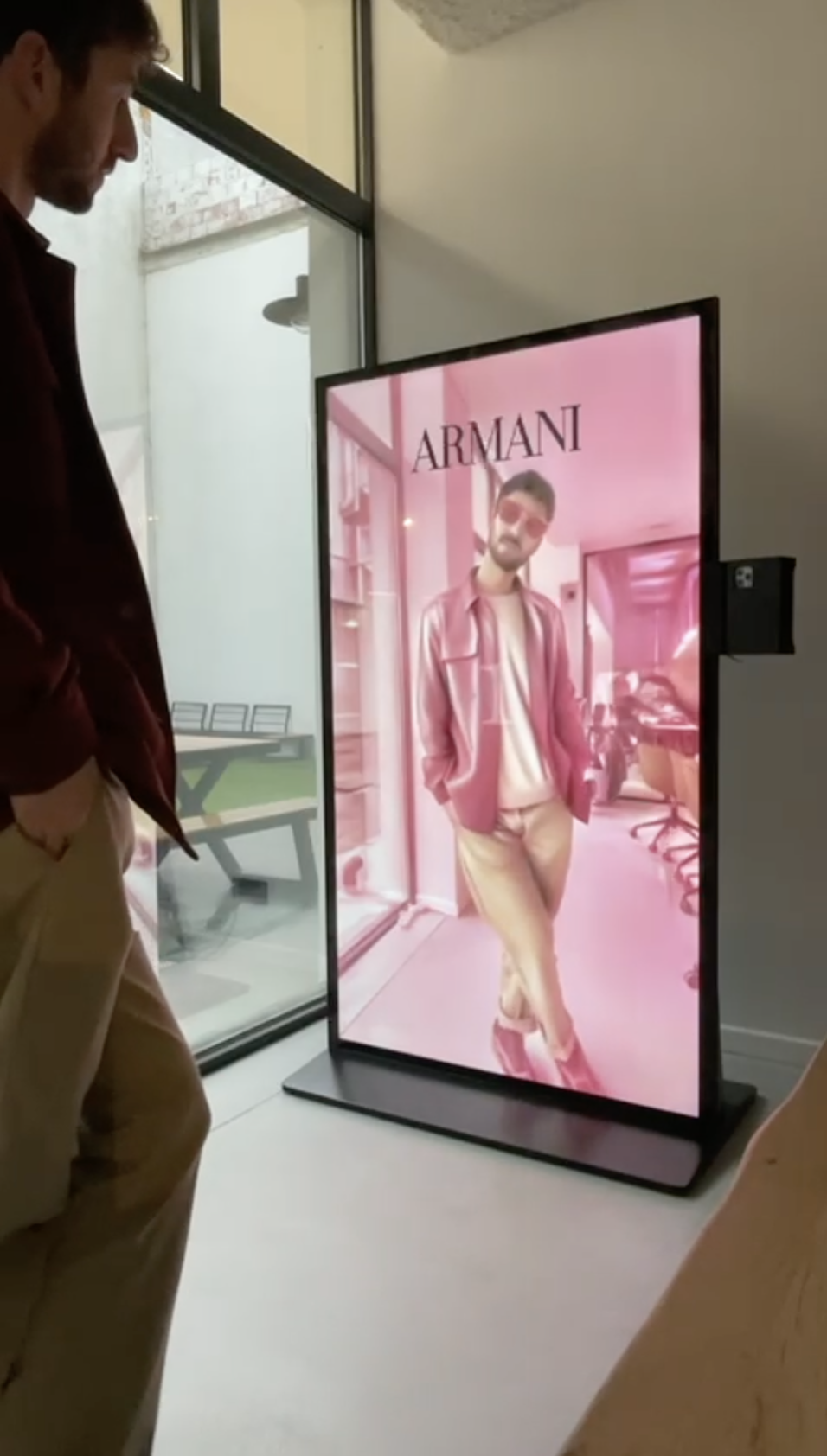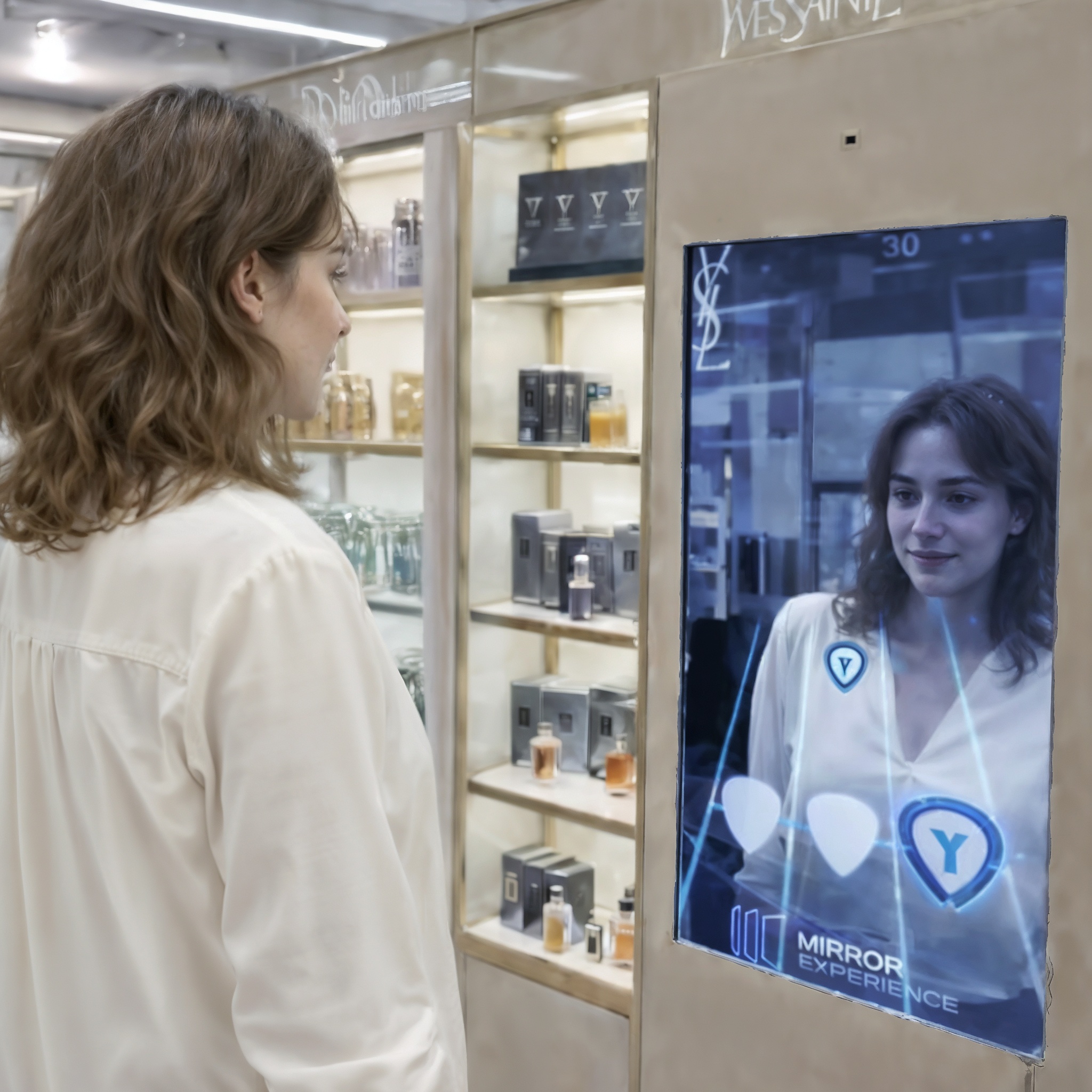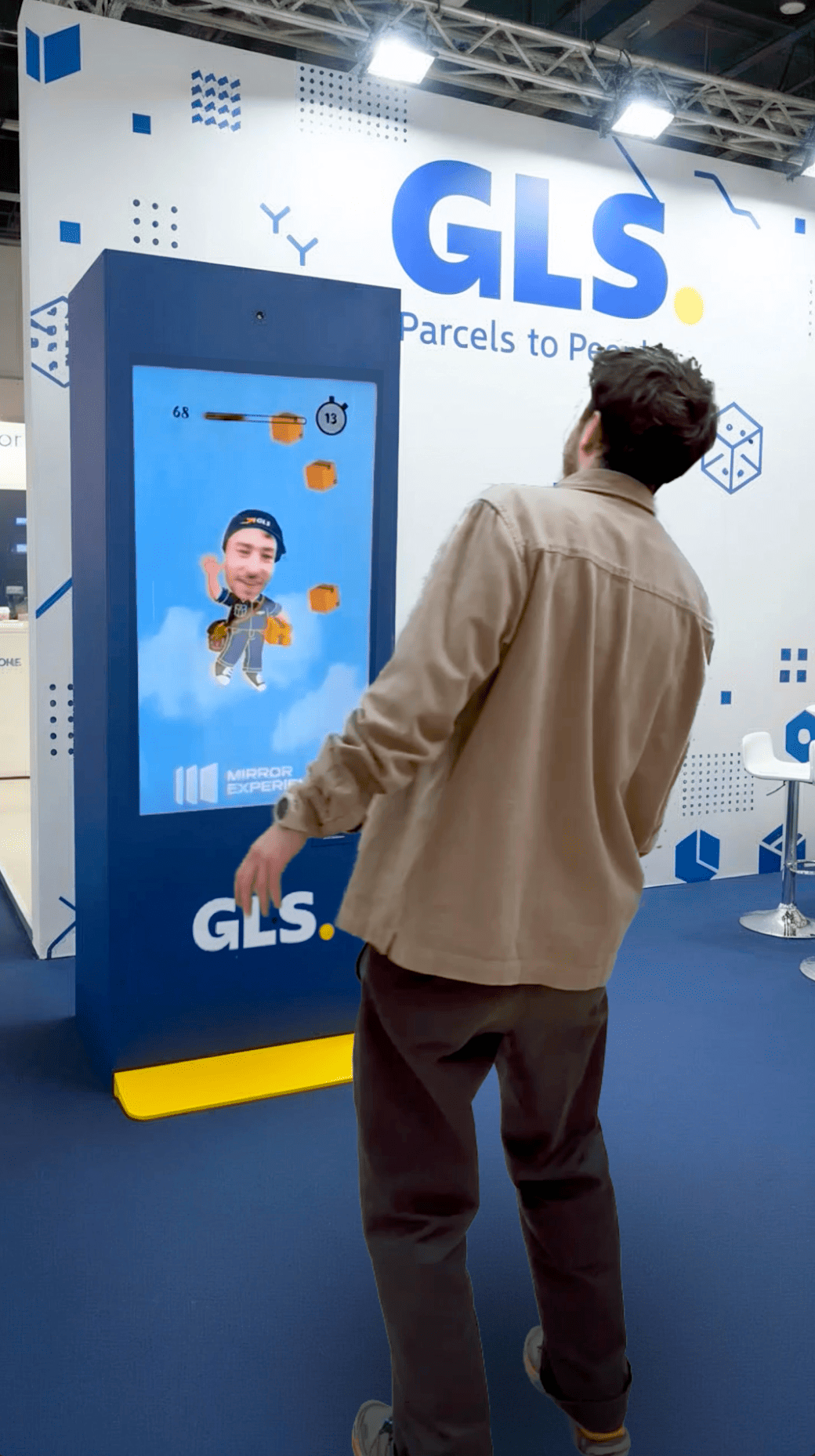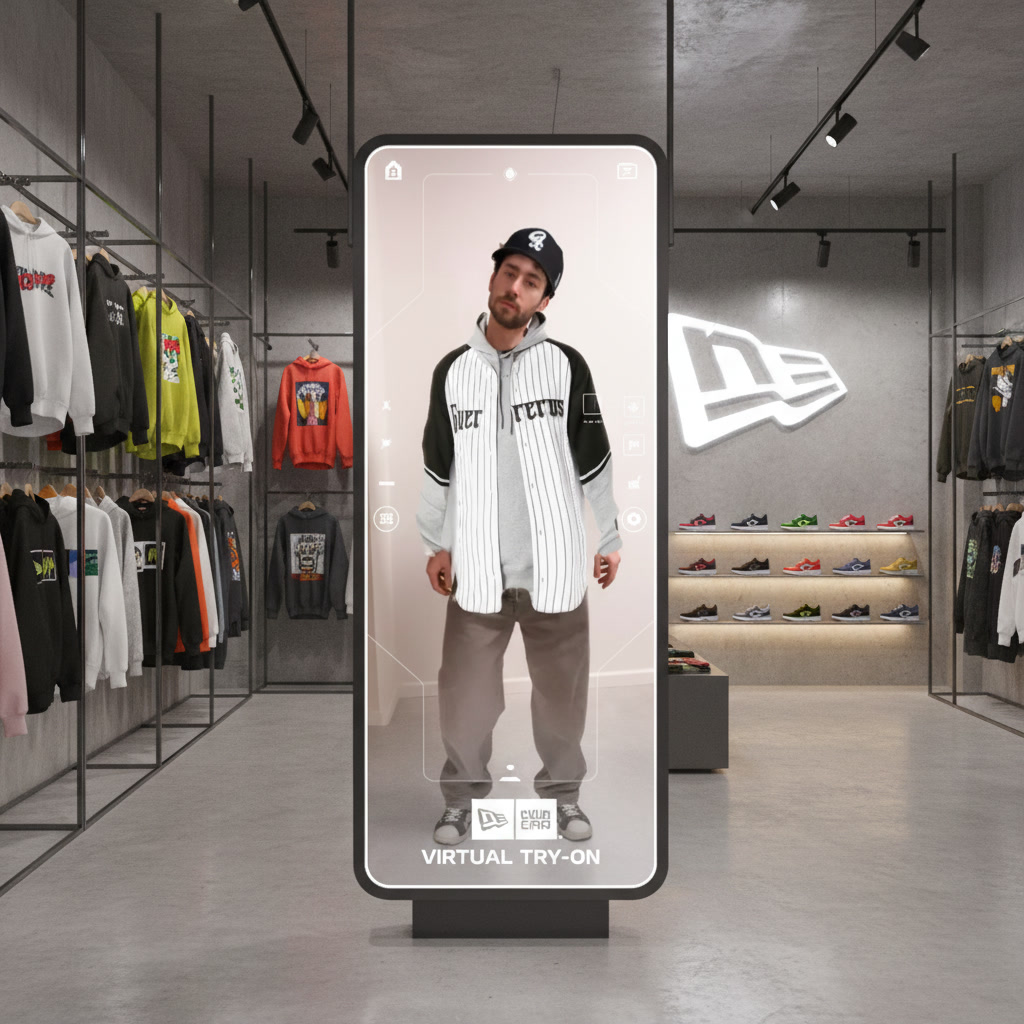
AI mirror installation in Los Angeles
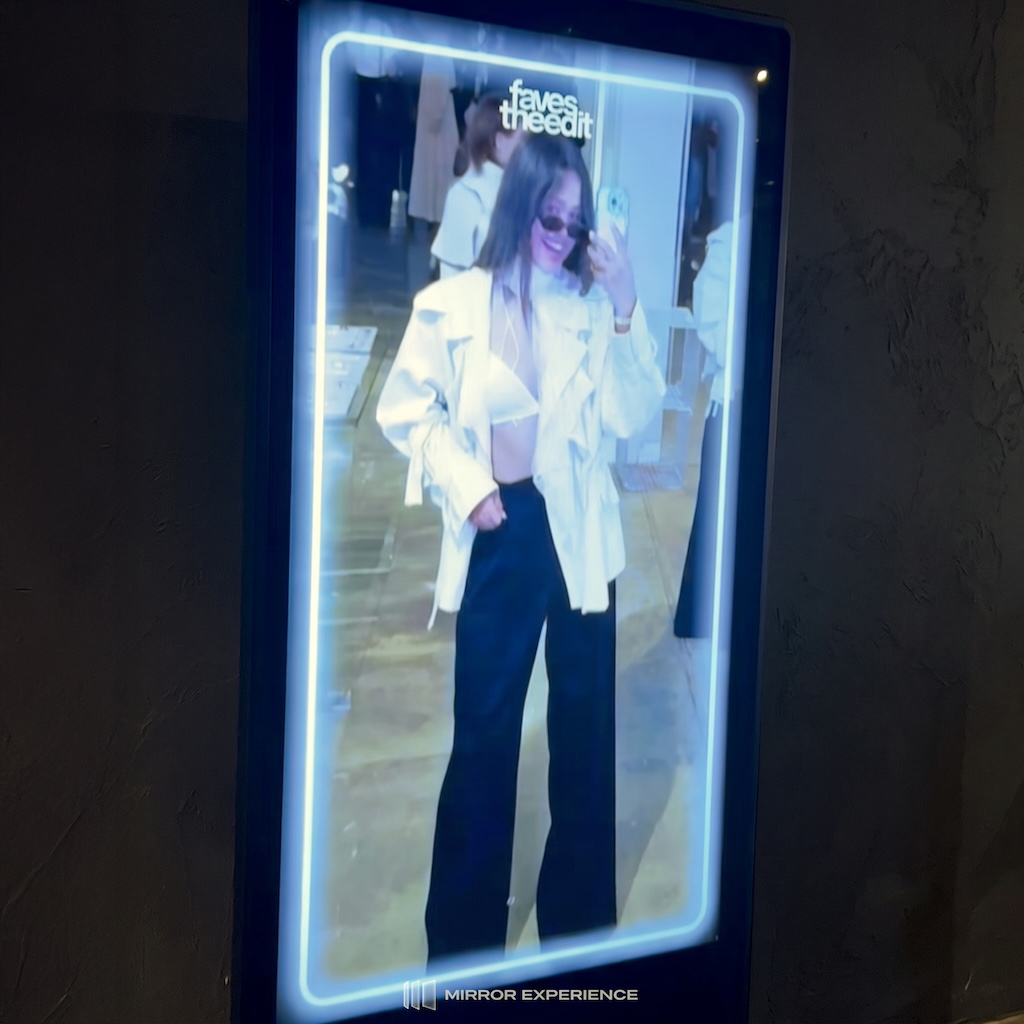
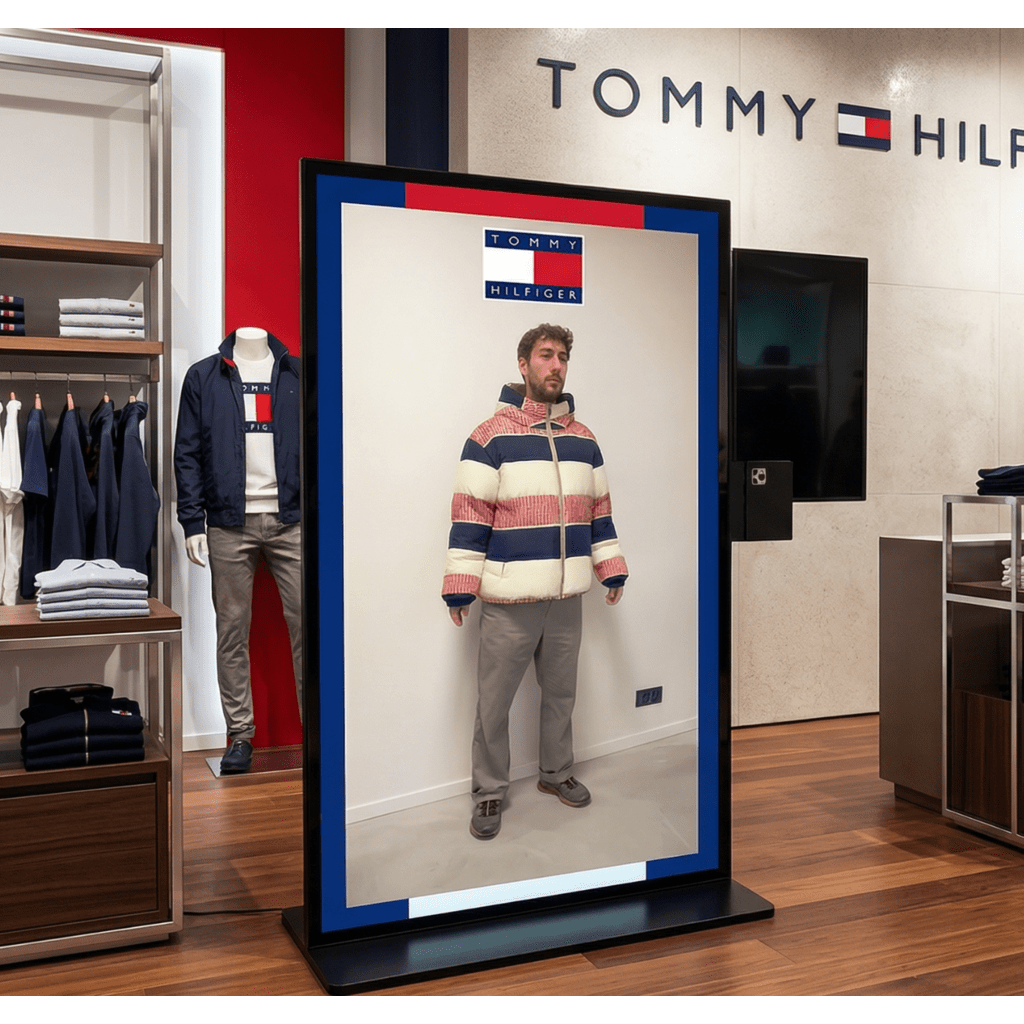
We ran a demo of the AI try-on mirror for SKYLRK, the label Justin Bieber launched in 2025, in Los Angeles. It was a demonstration rather than a permanent build, and it is the kind of project this city generates: a brand wants to see the thing working, in a room, with real garments, before committing to a flagship or a tour.
The short version. Live generative try-on at 25 frames per second, on the camera feed, with no 3D asset to model first. Software from 8,000 EUR, hardware 1,000 to 5,000 EUR on top. Free pilot, two to four weeks from brief to live.
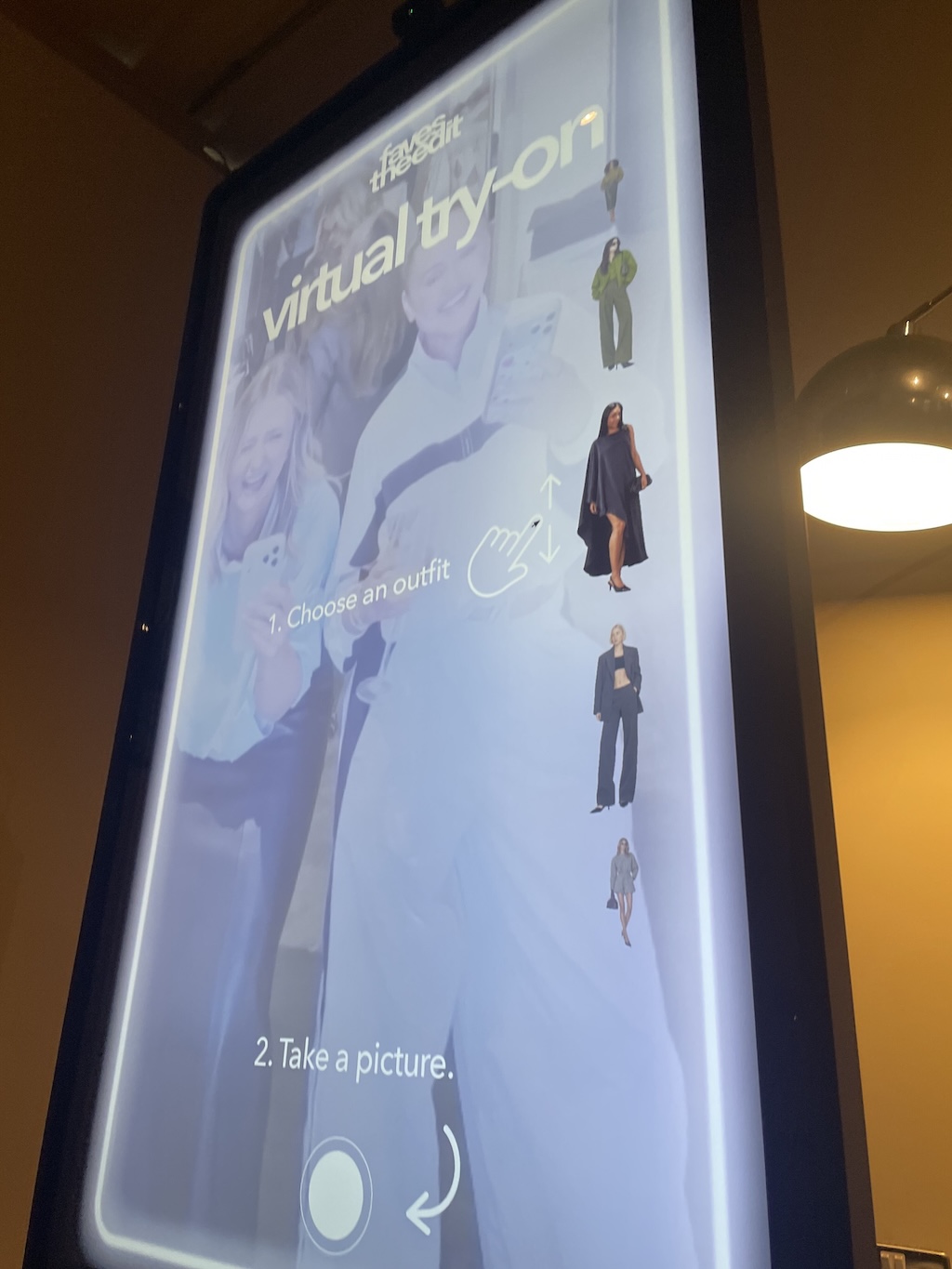
What we install in Los Angeles
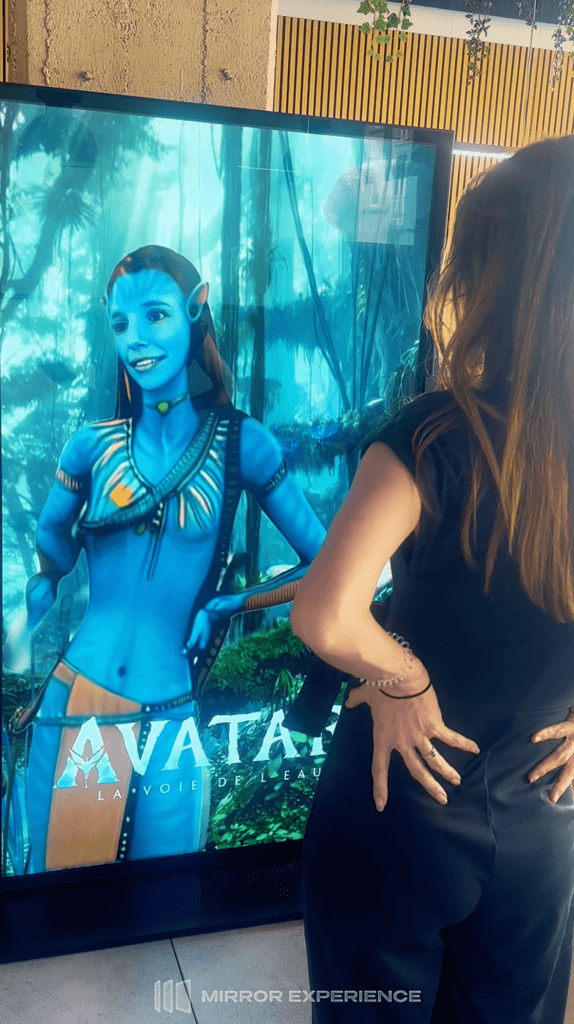
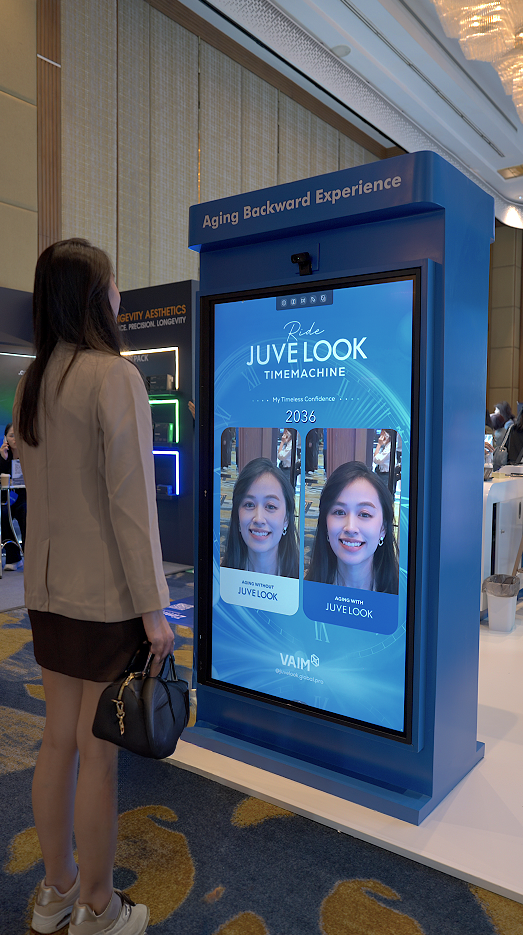
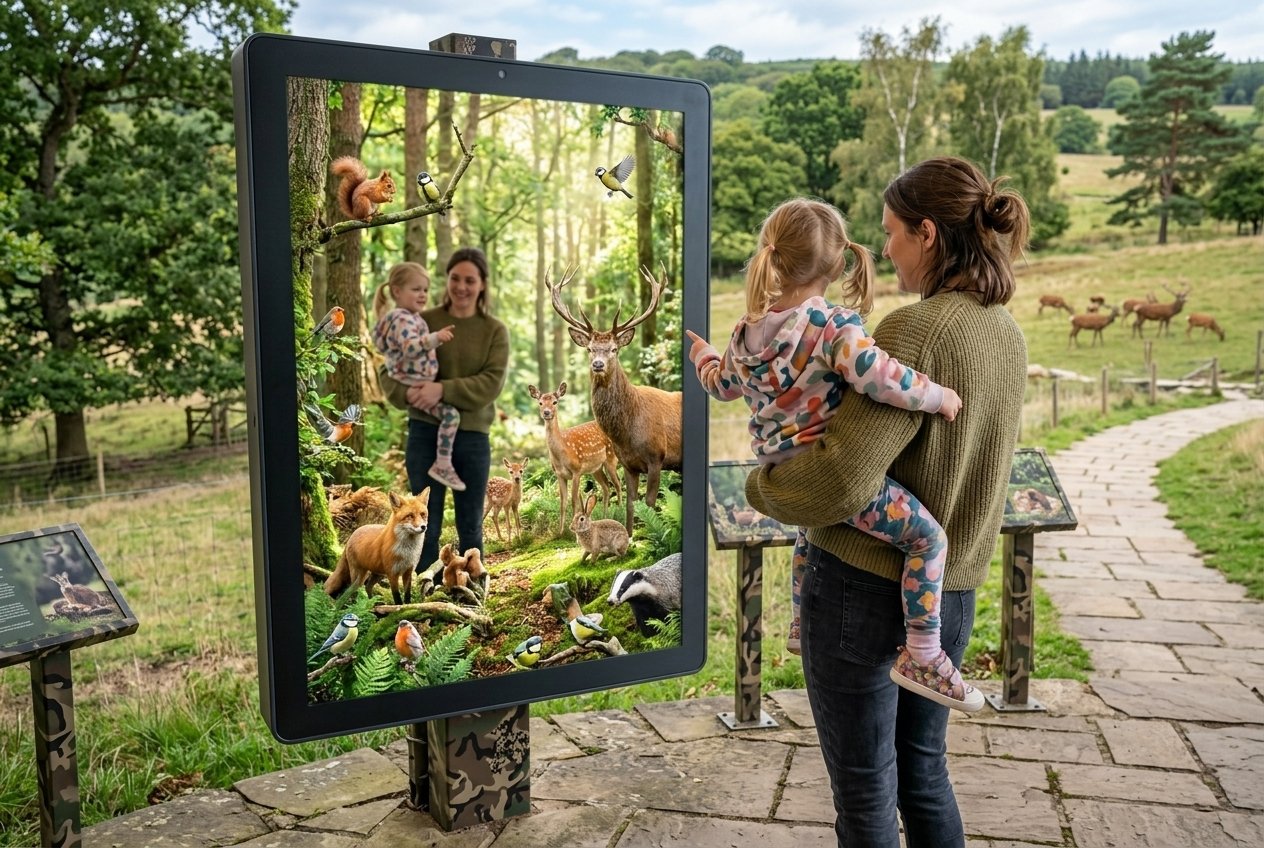
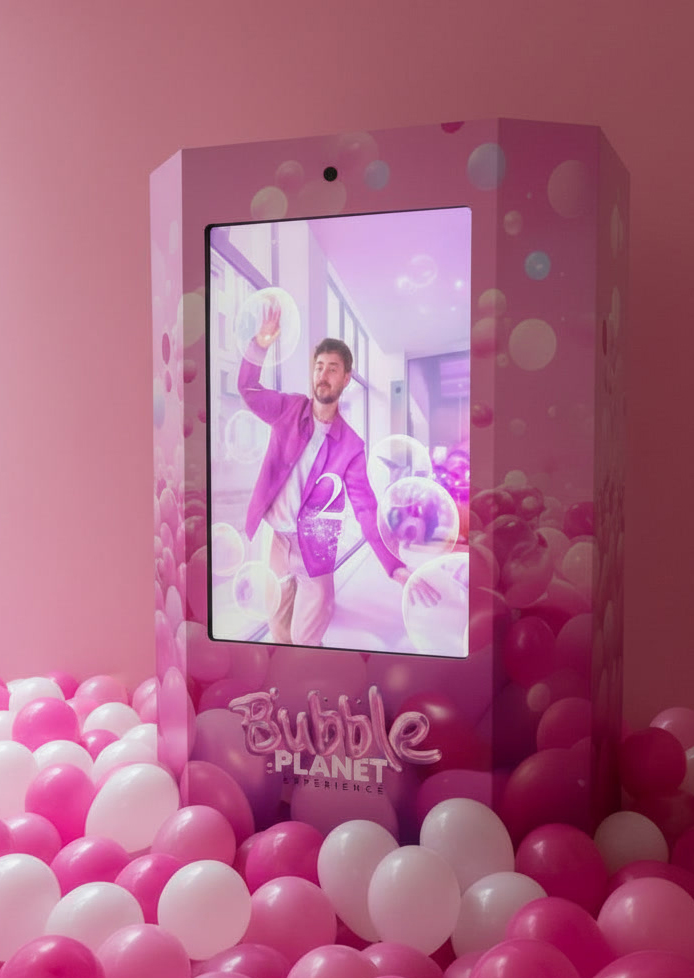
AI mirrors for brand activations and showrooms. AR mirrors for retail and events. Virtual try-on for fashion retail, which is what a streetwear label wants because it lets someone put the piece on without a fitting room. And AR photo booths for launches, where the print is the thing people take home.
The LA difference is that the image matters more than the spec sheet
In most cities the first question is what the mirror does. In Los Angeles the first question is what it looks like on camera. A brand here is not buying an interactive screen, it is buying footage. If the frame is visible in every shot, if the reflection picks up a cable, if the light on the visitor’s face is wrong for the content they will post, the project has failed even though the technology worked.
So we plan the position around the camera, not just the room. Height for the phone angle people actually hold. Background that reads well in a vertical video. Light that does not put a green cast on the garment. Small decisions, and they are the difference between a clip that gets posted and one that gets deleted.
What Los Angeles adds to a normal install
Permits and fire rules. An event with a set build in this city needs the fire marshal’s capacity sign-off, and an assembly permit if there is a temporary structure. A brand activation in a parking lot on Fairfax is not the same administrative object as a pop-up inside an existing shop. The rules are knowable, they are just not optional, and they take weeks rather than days.
Access is the second thing. Hillside properties off Laurel Canyon, a converted warehouse in the Arts District, a space in the Melrose triangle: none of those have a loading bay. We measure the entry and the stairwell before shipping, because a 75 inch crate does not fit through a 70 centimetre door, and no amount of goodwill changes the arithmetic.
Summer brings its own risk. Wildfire smoke in the air has cancelled outdoor activations here more than once, and it changes what a mirror outdoors can promise. For anything between June and October we plan an indoor fallback into the schedule rather than hoping.
A demo is a real deliverable, not a sales visit
When a brand asks for a demo in Los Angeles, we do not send a laptop with a video. We ship a working unit, put it in the room, load the brand’s own garments and let their team try it in the clothes they wore that day. That is how SKYLRK saw it work, and it is why the conversation afterwards is about where it goes rather than whether it works.
The demo is free. What it costs is time on both sides, so we ask for the room, the date and a list of pieces in advance. A mirror loaded with the wrong garments tells nobody anything.
Who buys this in Los Angeles
Streetwear and lifestyle labels, including young brands that want to look established at a launch. Fashion and beauty brands opening a pop-up. Studios and production companies building a set where something has to react. Agencies producing a brand activation. Retailers in Melrose, Fairfax, DTLA or on Rodeo who want something in the window that does not look like every other screen.
We do not do weddings, private parties or consumer rentals. B2B only.
Cost and timeline
| Item | Range |
|---|---|
| Software licence, our real-time AI stack | from 8,000 EUR |
| Hardware, screen size and structure dependent | +1,000 to +5,000 EUR |
| Complete permanent installation, 75 inch vertical, transport and commissioning | around 20,000 EUR |
| Brief to live | 2 to 4 weeks |
A demo sits well below that because there is no permanent structure and no integration into a shopfit. Ask for a quote for the demo specifically if that is what you need first.
See the mirror running
Both clips are our own hardware and our own software, filmed on site. No render, no post-production overlay.
Questions from Los Angeles clients
Can we load our own garments? Yes. That is the point. We ask for the pieces and the fabric details in advance, and the mirror runs the brand’s own clothes rather than a stock set.
How many pieces can it handle? A launch typically runs eight to thirty. There is no hard ceiling, but a wall of forty options slows the visit down, and a slow visit kills the queue.
Will it work with the lighting in our space? The AI adapts to the ambient light it sees. If the room is lit for a shoot rather than for people, tell us, because that changes the calibration.
Can it go on a tour afterwards? Yes. Temporary builds travel in flight cases and go up in a day. That is how a brand uses one unit across several cities.
Do you have a team in Los Angeles? For demos and installs we travel. For a permanent installation we agree the support arrangement in the contract, usually with a local partner for first-line response.
Talk to us about your Los Angeles project
Tell us the room, the date and the garments. We will tell you what the demo needs and what a permanent build would take. The demo is free.