AR Mirror for Retail
Virtual try-on has moved from novelty to revenue driver. Retailers that implement virtual try-on solutions report an average 30% increase in sales conversion, and about 30% fewer returns (Onix Systems via Sensape, 2025). Other studies put the conversion lift from virtual product trials at 34% (Business Research Insights, 2025). An AR mirror brings that same dynamic into the physical store: shoppers try, play, and buy without a fitting room.
Key takeaways
- Virtual try-on lifts conversion by 30 to 34% and cuts returns by around 30%.
- The AR in retail market is projected at 12 billion USD for 2026, and AR virtual try-on alone is growing 29% per year.
- An AR mirror turns a fitting room moment into a shareable experience, which multiplies the reach of each visit.
Why retailers install AR mirrors
The numbers explain the rush. L’Oréal reported a 50% sales increase after implementing AR virtual try-on, and Ulta saw a 700% surge in engagement with the same technology (Market.us AR statistics, 2026). Nearly 50% of consumers say AR-based shopping experiences encourage them to spend more, and 100 million people already use AR to shop online and in stores. A mirror in the store gives the brand a physical version of that same behavior, with an audience that is already standing in front of it.
What an in-store AR mirror does
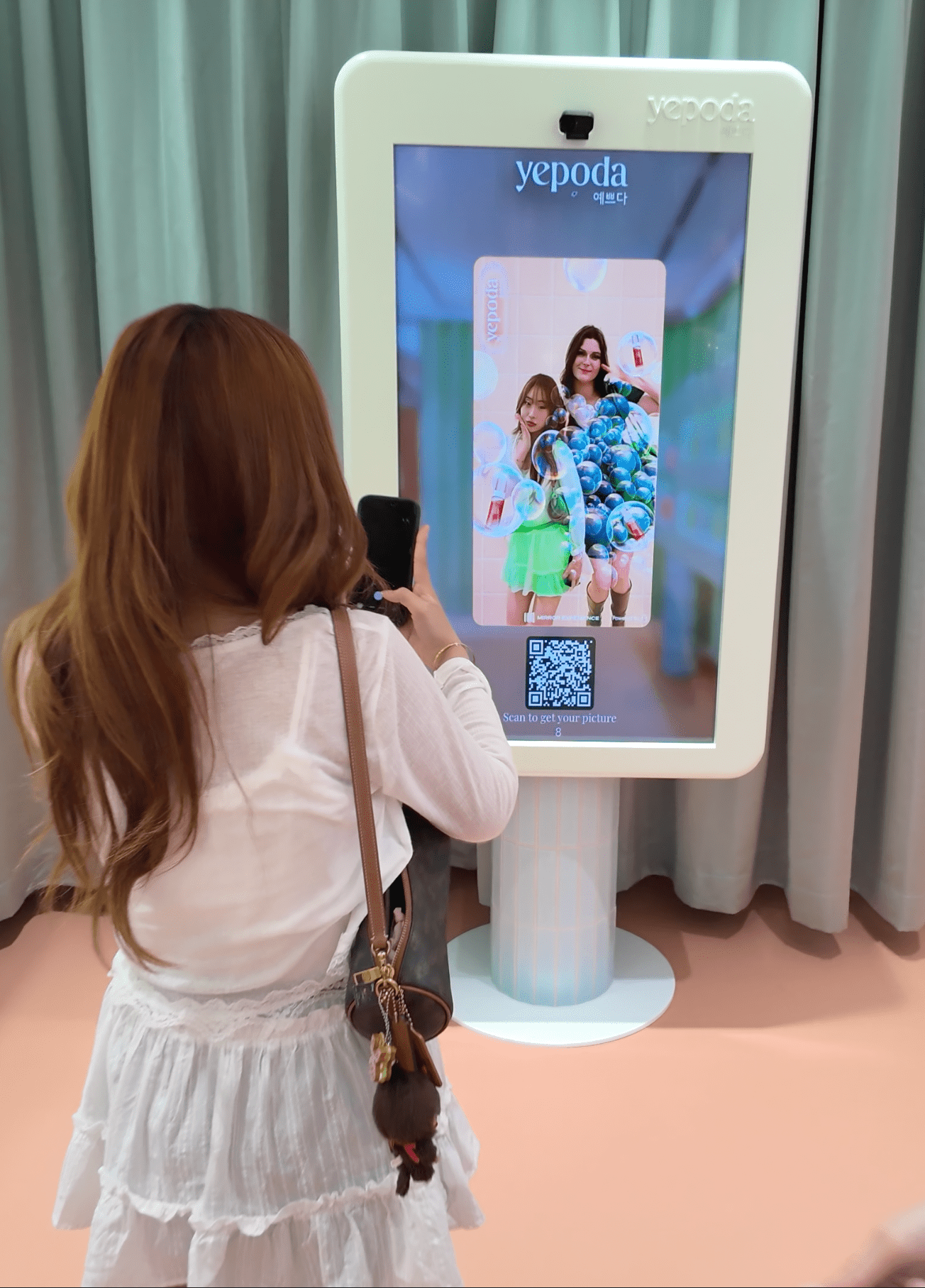
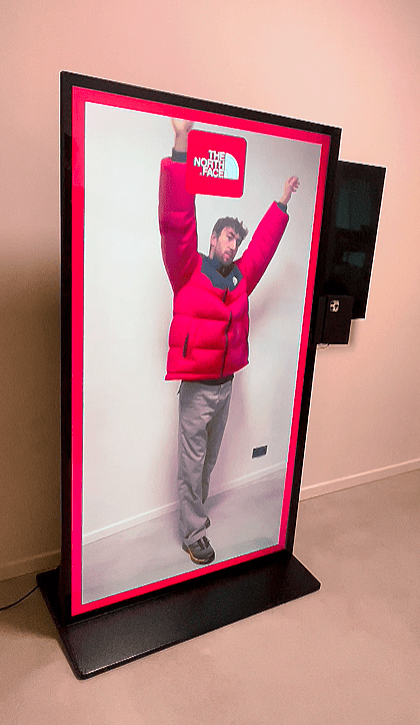
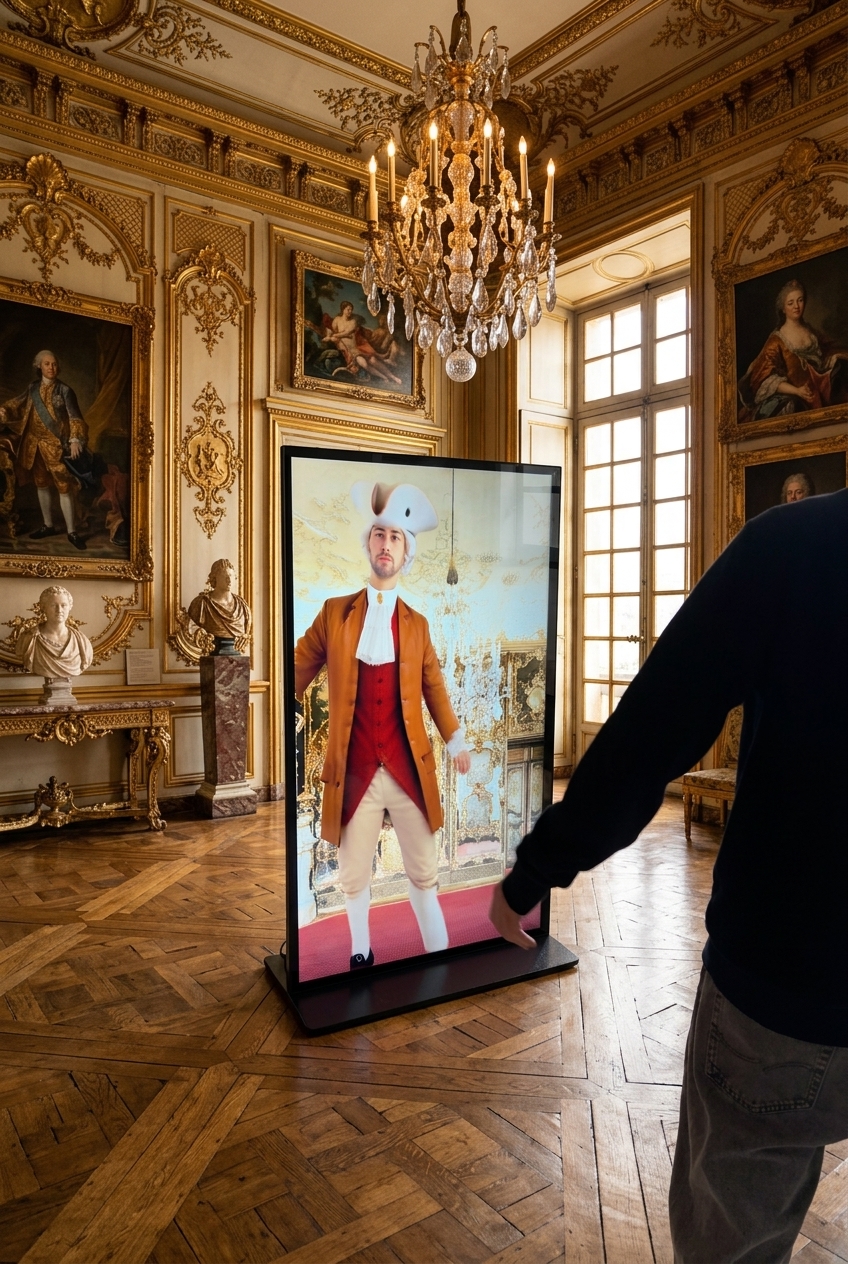
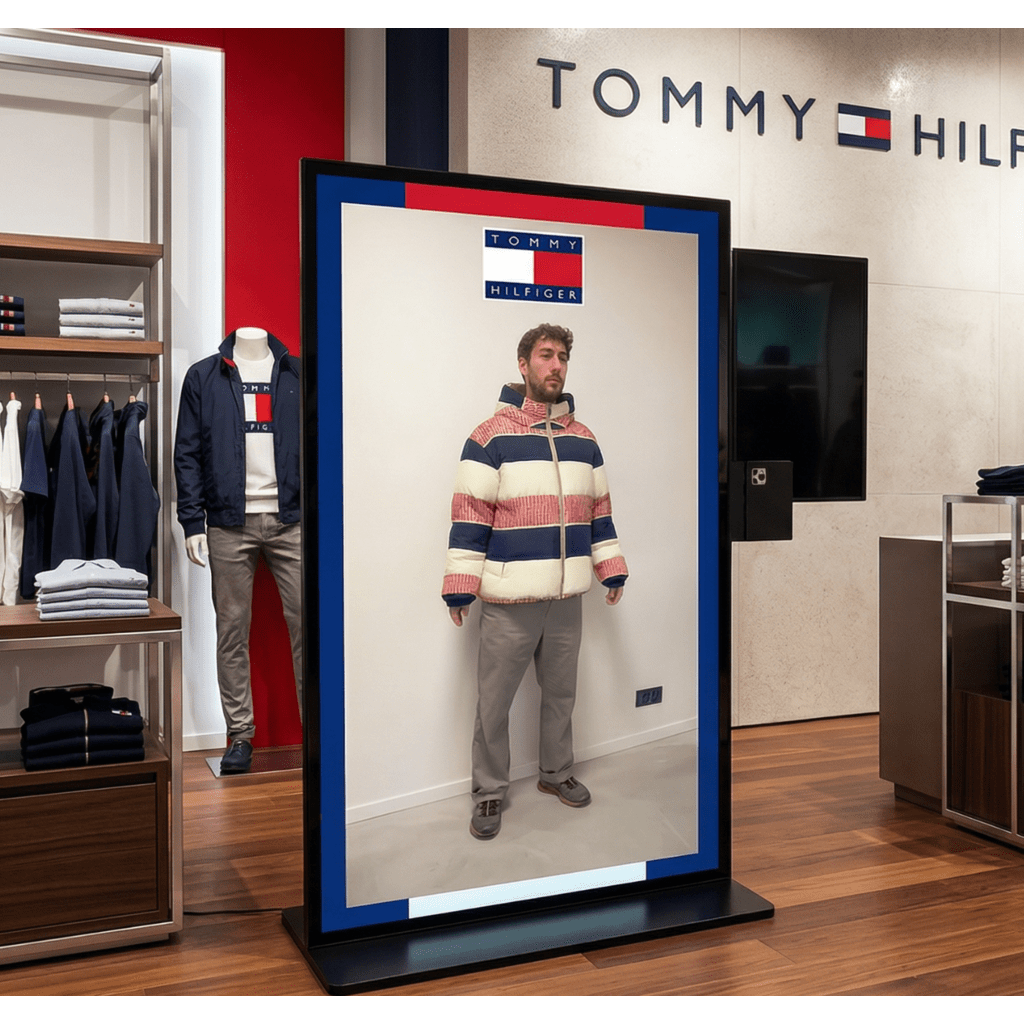
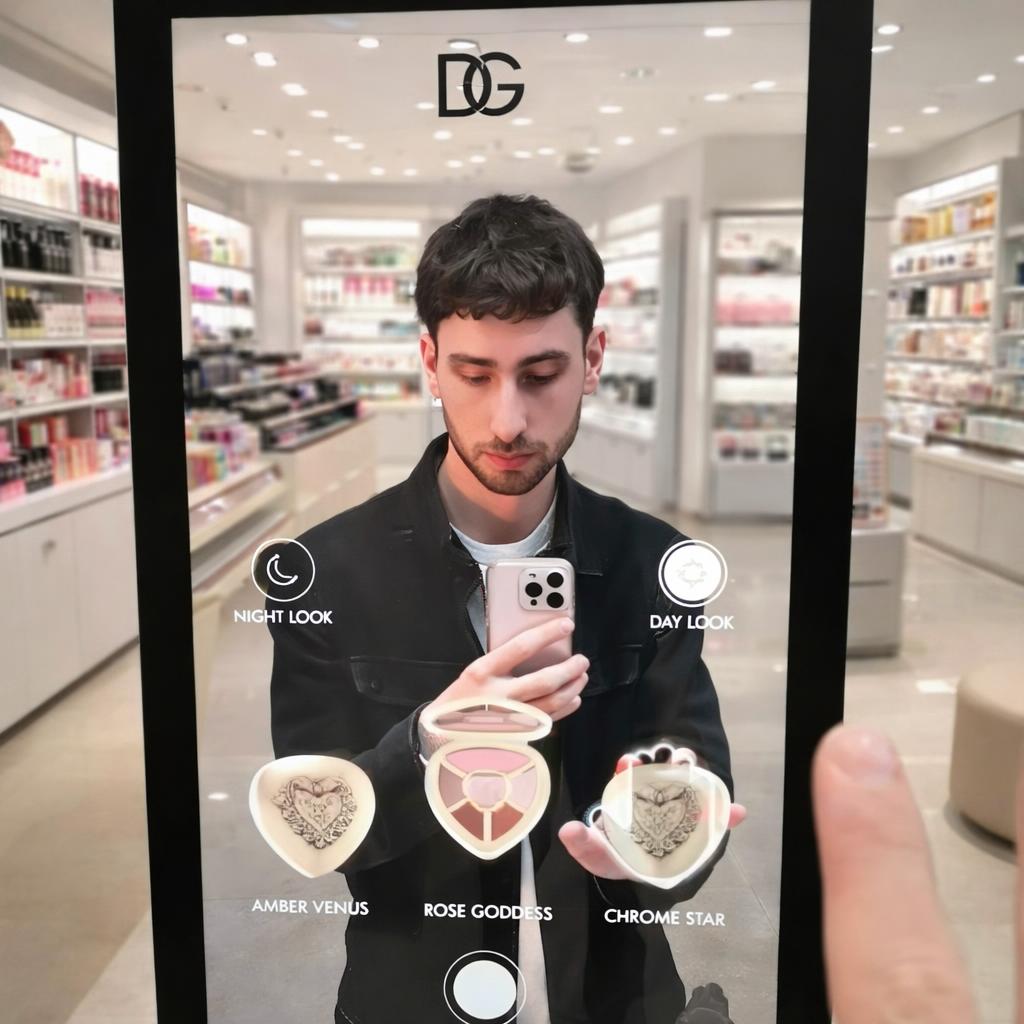
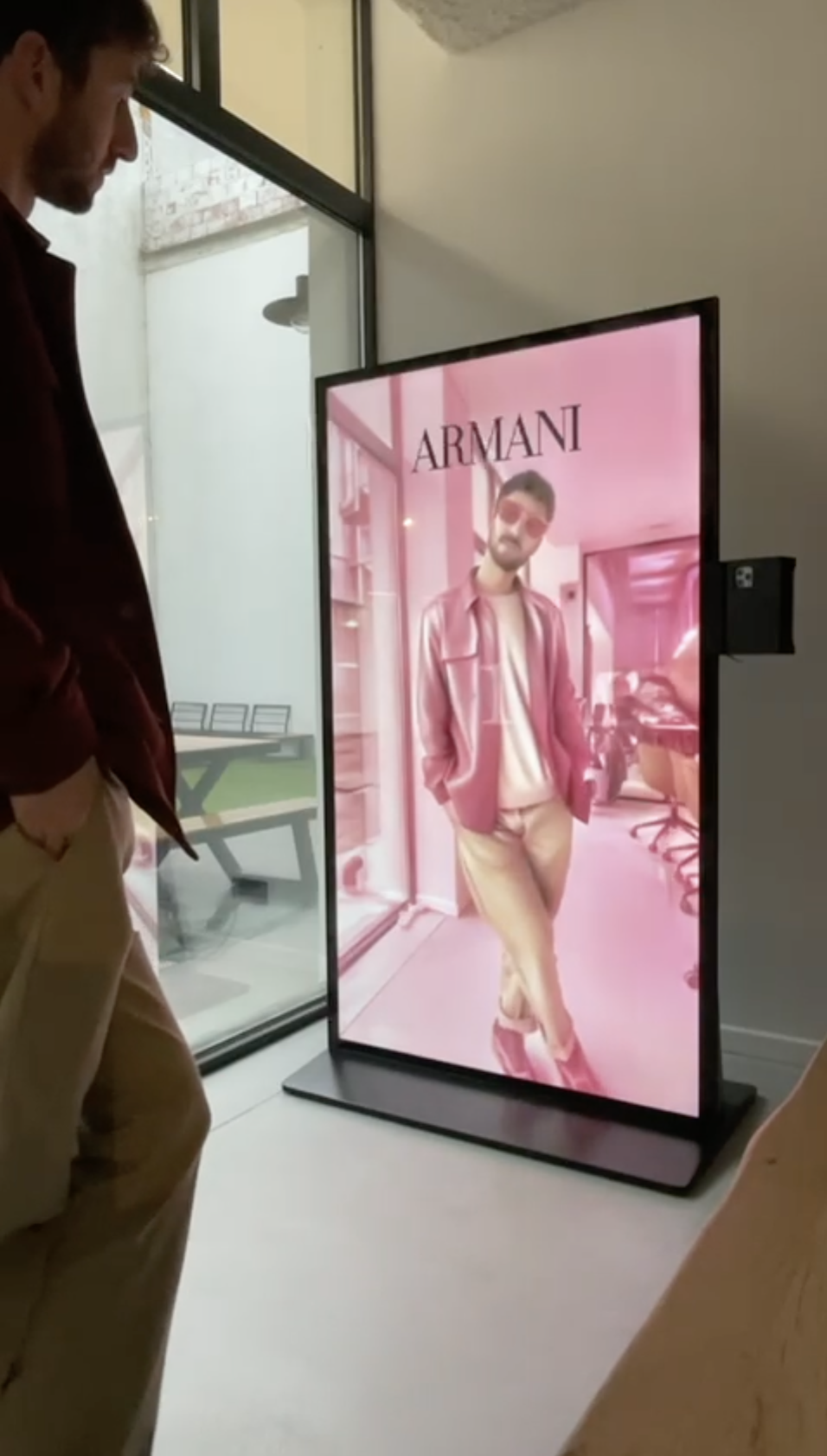
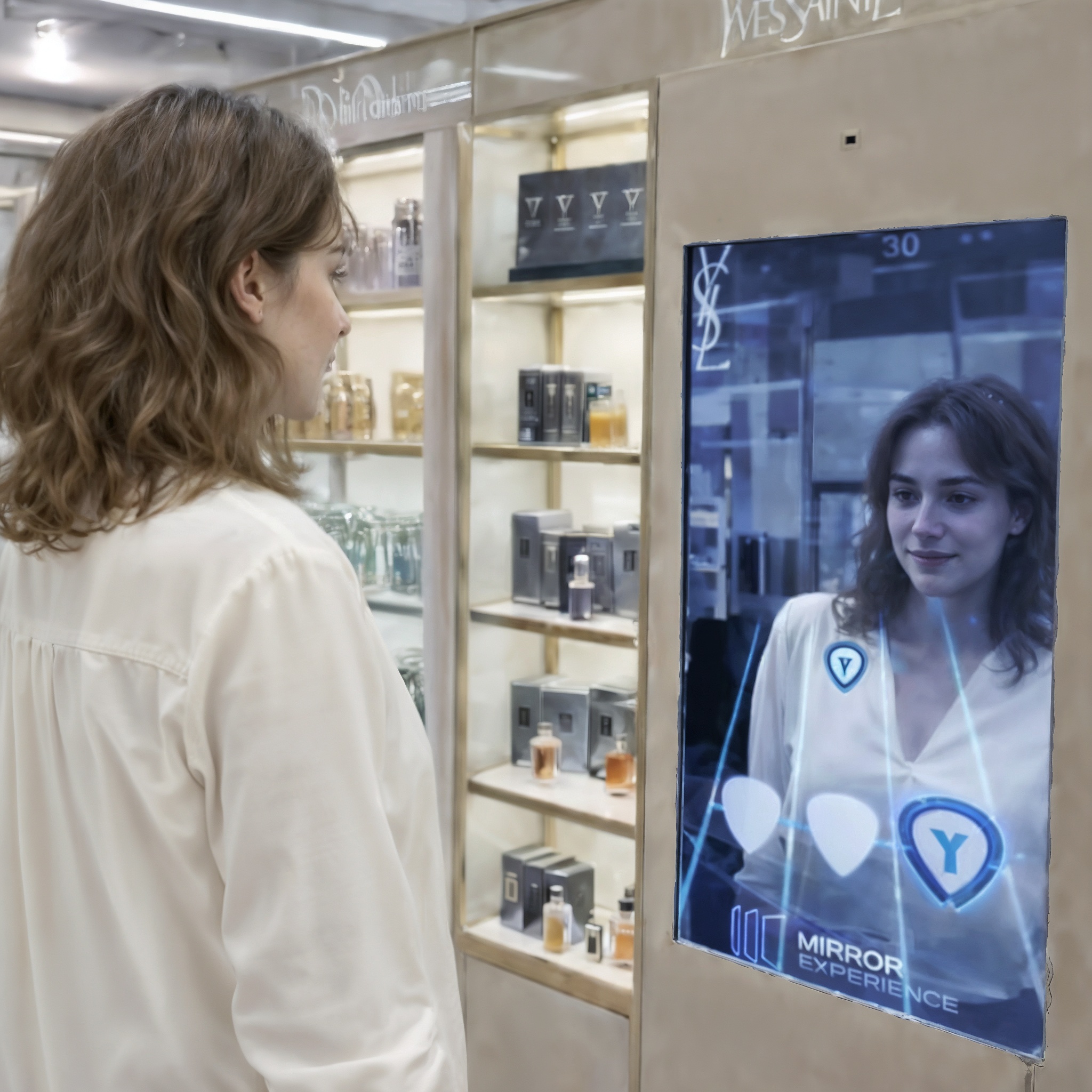
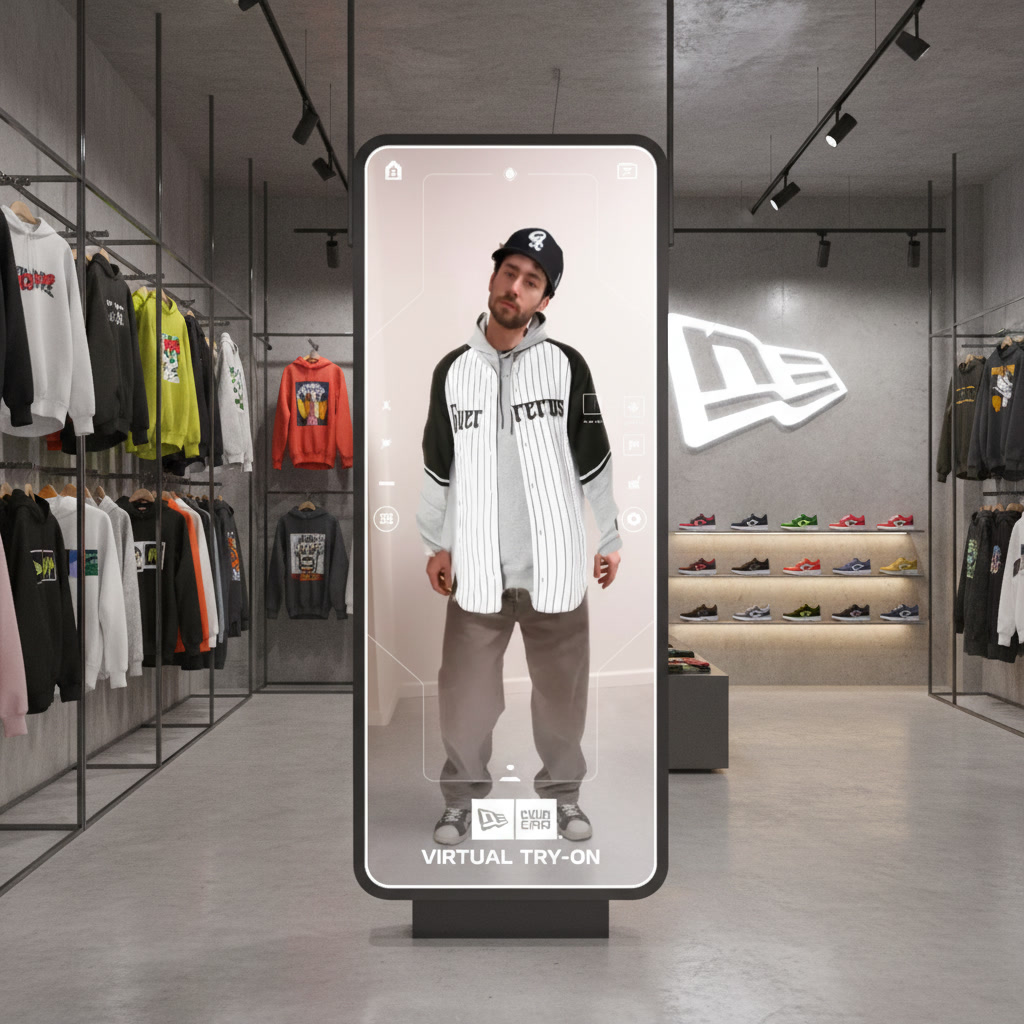
The shopper steps in front of the mirror. The system tracks their body and overlays clothes, accessories or make-up in real time, at 25 frames per second. They can change color, size and style without entering a fitting room, then capture a photo or video by QR code. The retailer gets the email opt-in, and the visitor gets a souvenir of the brand. For fashion, accessories, eyewear and beauty, this is the closest thing to a virtual fitting room that works in a physical store.
From fitting room to social reach
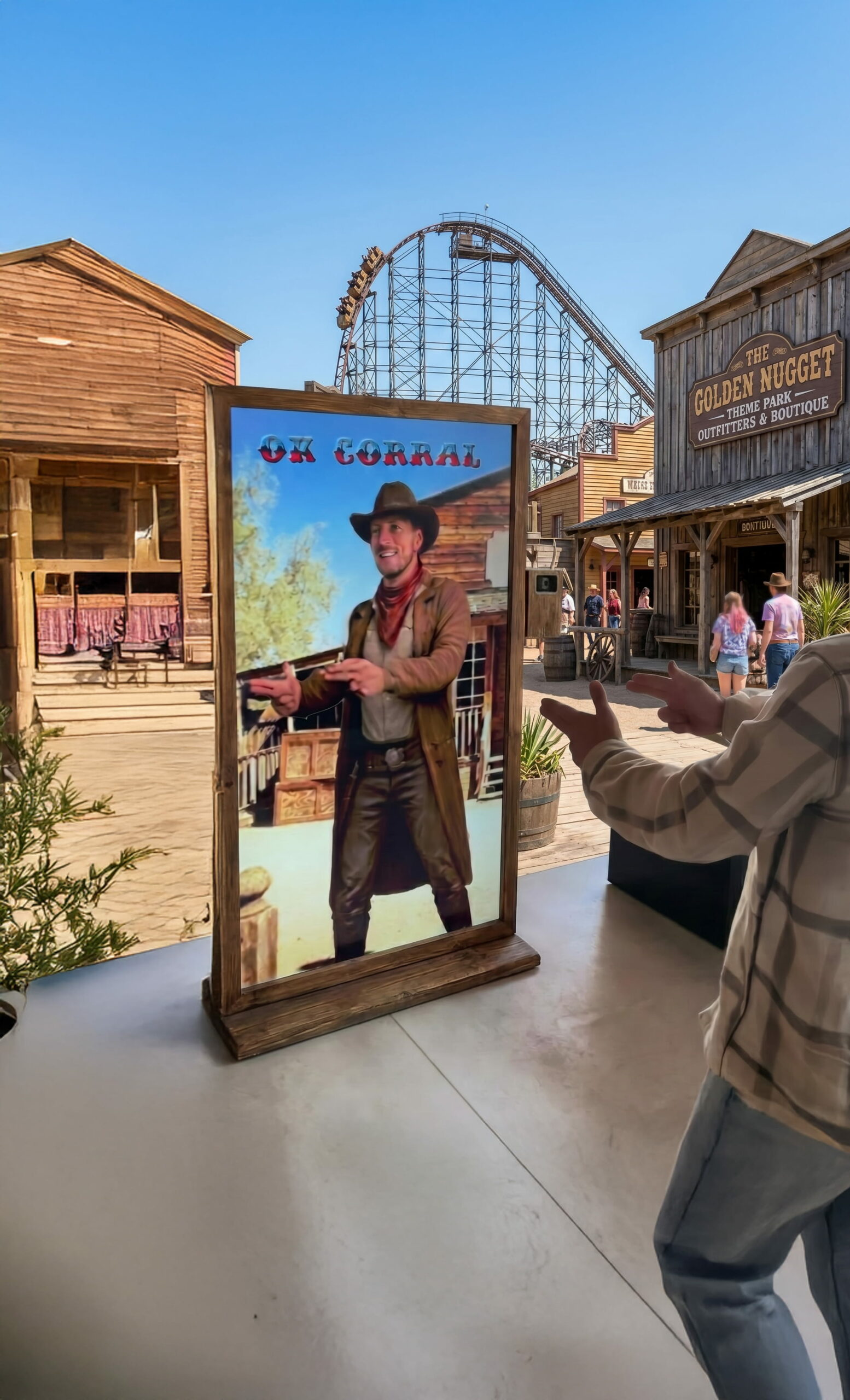
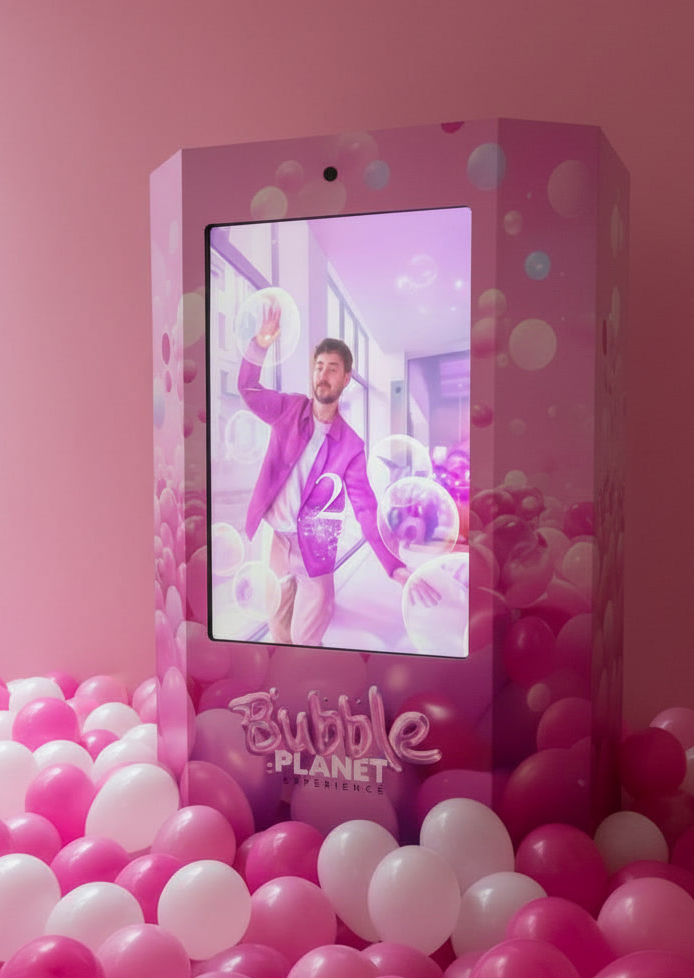
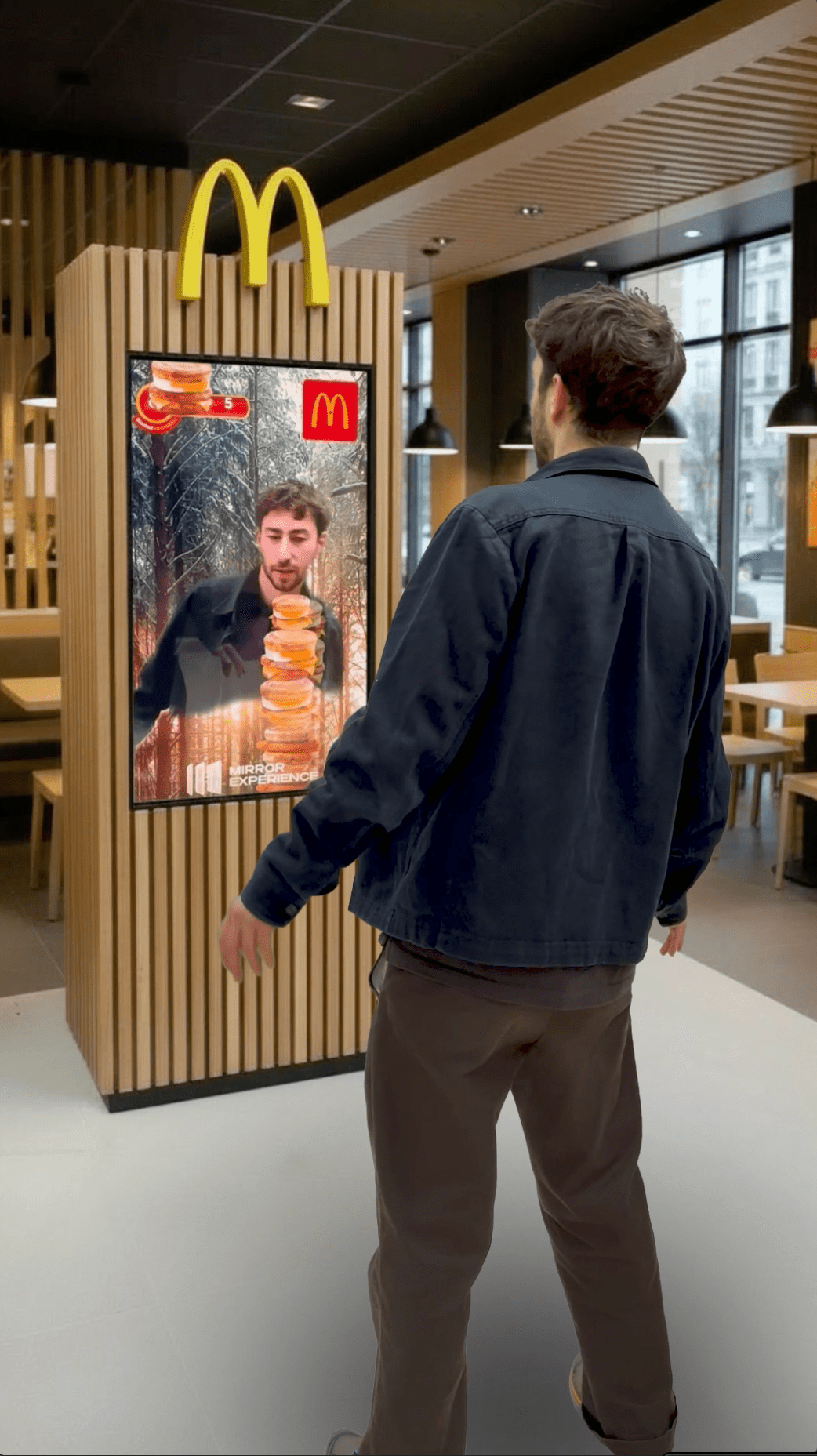
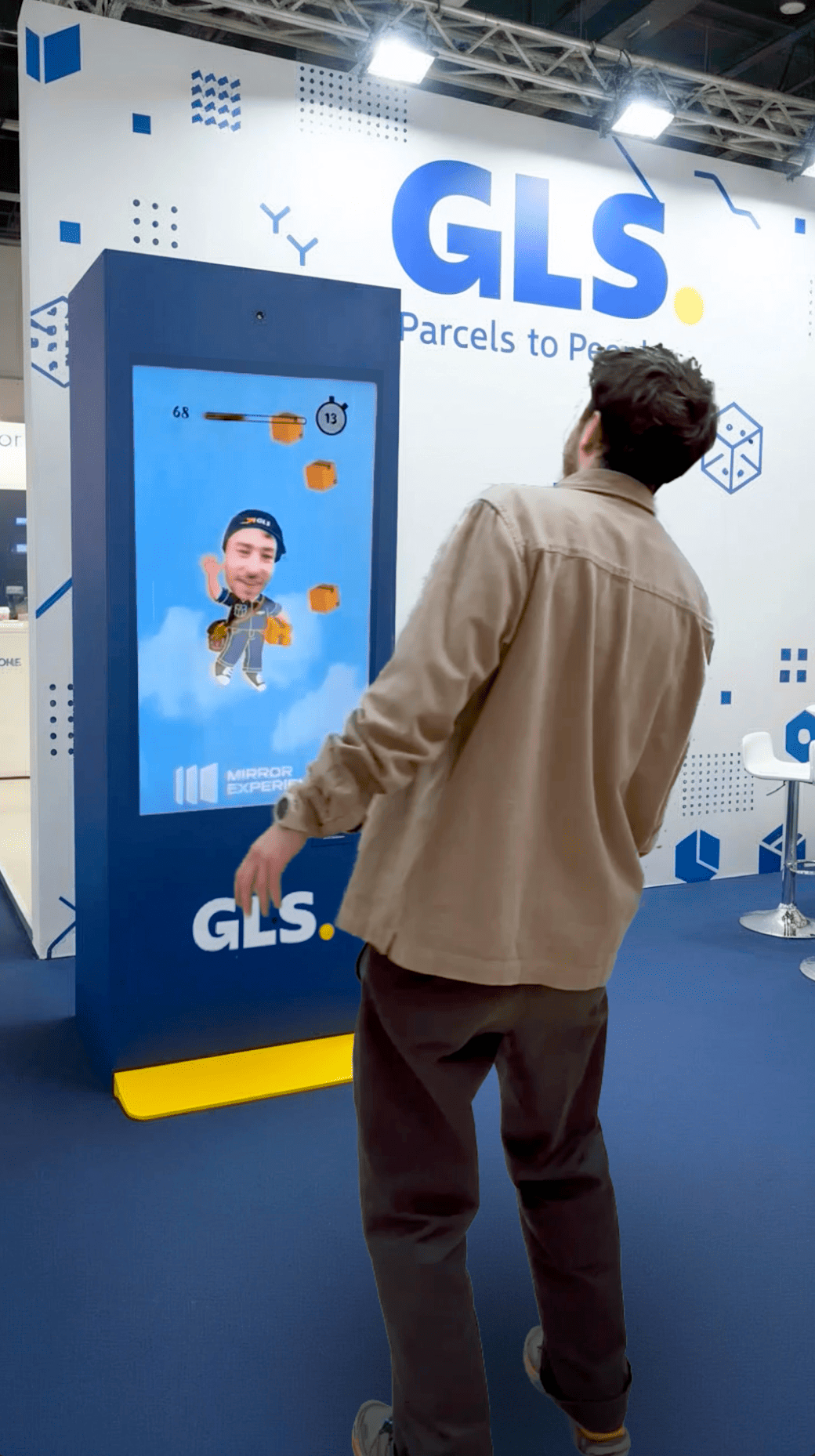
A fitting room is private. An AR mirror is public, and that changes the economics. Visitors who try a product in front of a mirror share the result on social media, which gives the brand organic reach for every interaction. When the mirror is themed around a product launch or a collection, the activation becomes its own campaign. Mirror Experience has built these activations for global brands in fashion and retail, from flagship store installations to event pop-ups.
The market behind the mirror
The AR in retail market is projected to hit 12 billion USD in 2026, and the virtual try-on platform segment is growing at a double-digit pace, with the US market alone expected to pass 2 billion USD by 2027 (Future Market Insights, 2025). Retailers who test the technology now are building the capability before it becomes table stakes.
Frequently asked questions
How much does an AR mirror cost for retail?
An event mirror starts around 9,000 EUR. A permanent in-store installation with a 75-inch screen costs around 20,000 EUR, including custom product content. The pilot is free.
Can it try on our actual products?
Yes. Products are digitized from your catalog, and the mirror can switch colors, sizes and styles in real time.
Does it capture customer data?
Yes, with consent. The mirror can collect email opt-ins and usage metrics, which feed directly into CRM and marketing tools.
How long does deployment take?
About three weeks for a standard installation, including content creation.
See your products on the mirror
Mirror Experience offers a free pilot so you can test the mirror with your own products and your own customers. Contact us for a demo, a quote, or examples of brand activations already running in Europe, the US and Asia.